
Before Memmo my notes were scattered across PDFs. Now a workspace pulls everything into one place — I see exactly what's still left to study.
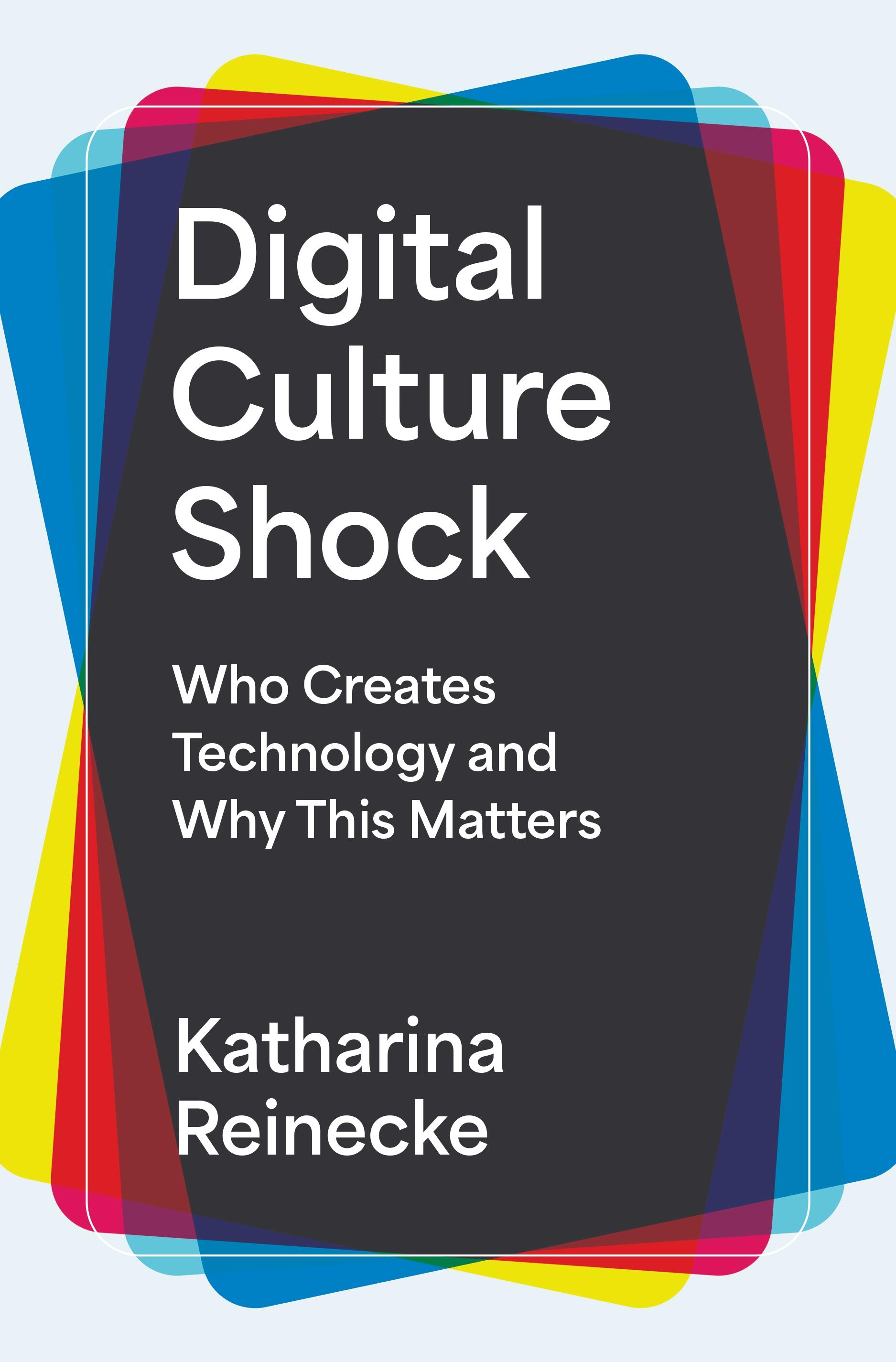
How culture shapes the design and use of technology—and how we can resist the one-size-fits-all approach to technology design
Robots that encroach on your personal space, baffling emojis, a chatbot that gives you an answer that seems terribly rude—does any of this sound familiar? If so, you may know what it feels like to experience a clash of cultures, or even culture shock, in technology. Culture—shared values, norms, and behaviors—influences both the design of technology and its use. An encounter with new technology can teach us to embrace the unfamiliar, but a mismatch between design and user can create misunderstanding and loss of trust, and can even become a tool of digital imperialism. In Digital Culture Shock, computer scientist Katharina Reinecke travels through countries and cultures around the world to show the many fascinating ways that technology design and use can differ.
Reinecke argues that technology is inherently cultural because developers apply their own knowledge and experiences when creating it. And this can make the technology fail in other settings. For example, robotaxis trained on driver behavior on a California highway are paralyzed when confronted with the more complicated traffic flows of Egypt. Western online social networks, designed to convey one’s individuality, violate the need to preserve the image of a family in more group-oriented cultures. Likewise, the visual complexity common in many East Asian websites can be overwhelming to North Americans and European users, who tend to prefer simpler designs. Making it clear what’s at stake, Reinecke urges us to resist generalizing our own cultural peccadillos in technology design.
Before Memmo my notes were scattered across PDFs. Now a workspace pulls everything into one place — I see exactly what's still left to study.
Memmo's summaries are gold before exams. I don't have to re-read 800 pages two weeks before — just the important parts.
The AI chat has saved me the night before an exam more than once. I just keep asking until I get it — no waiting on a study group to reply.
The quizzes hit exactly what I need to know. Memmo tracks what I get stuck on — so I only practice what's worth it.
Flashcards with spaced repetition are magic. Memmo knows when I'm about to forget something and brings it back.
The AI podcasts are my favorite. I listen on my way to school and get a recap without sitting at a computer.

Handbok i kvalitativa metoder
281 kr

Hållbar utveckling: en introduktion för ingenjörer och andra problemlösare
334 kr

Brymans Samhällsvetenskapliga metoder
390 kr

Projektledning
491 kr

Den orättvisa hälsan: om socioekonomiska skillnader i hälsa och livslängd
326 kr

Vetenskapsteori för nybörjare
196 kr

Organizational Leadership
429 kr

På väg mot läraryrket
172 kr

Det sociala livet i skolan: Socialpsykologiska perspektiv
253 kr

Betygsättningens didaktik
151 kr

Personality
402 kr

Studying Leadership
404 kr

Managing Innovation
477 kr

Introduktion till samhällsvetenskaplig metod
347 kr

The Psychology of Sex and Gender
698 kr

Evidens och kunskap för socialt arbete
207 kr

Introduction to Leadership
605 kr