
Before Memmo my notes were scattered across PDFs. Now a workspace pulls everything into one place — I see exactly what's still left to study.
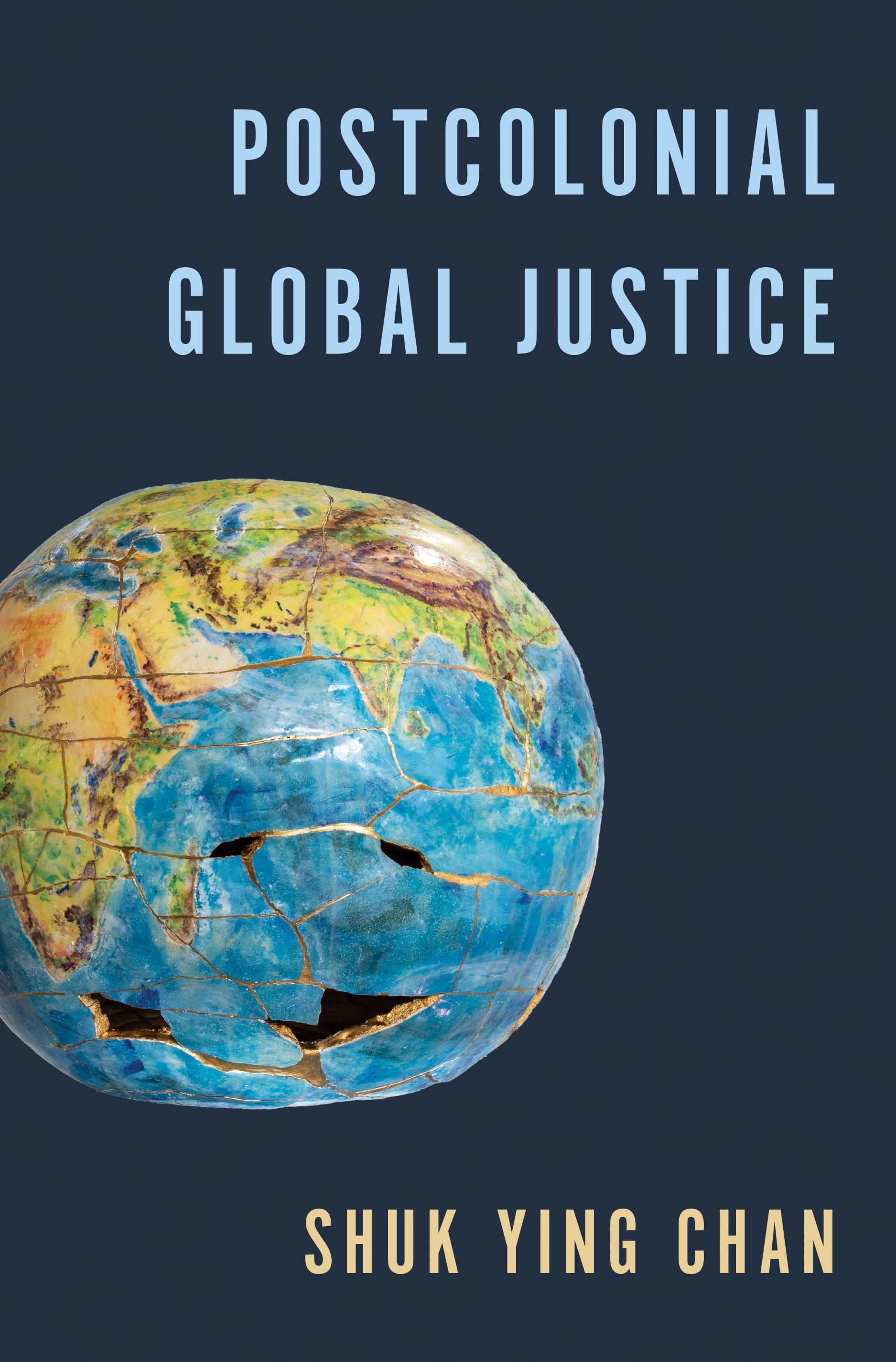
A new account of global justice that recovers anticolonial thought for resisting a neocolonial age
Politicians and activists today turn to the language of decolonization to call attention to such issues as cultural and linguistic decline, exploitative foreign investment, and global institutions dominated by superpowers. But does anticolonial thought really provide a model for reimagining world politics? The history of decolonization has not resulted in the liberating transformations that many envisioned. In Postcolonial Global Justice, Shuk Ying Chan proposes a new account of postcolonial global justice centered around the value of social equality. Drawing on the thought of Aimé Césaire, Frantz Fanon, Kwame Nkrumah, and Jawaharlal Nehru, Chan argues that a central theme in anticolonial thought is the rejection of hierarchy and the embrace of equality. These ideas from decolonization, she suggests, give us tools for critiquing contemporary global hierarchies and for rejecting postcolonial nationalism more concerned with policing its citizens than promoting their freedom and equality.
Following the wave of postcolonial state-founding in the twentieth century, many in the West saw decolonization as largely accomplished—and yet global politics continue to feature hierarchies that resemble colonial relations. Chan investigates these new and persistent colonial hierarchies across three areas of contemporary world politics: international investment, cultural imperialism, and global governance. Exploring the changes needed to move toward a new, more equal postcolonial world order, Chan offers a vision of global justice rooted in the unrealized egalitarian aspirations of anticolonial thinker-activists, prompting us to rethink what decolonization may mean today.
Before Memmo my notes were scattered across PDFs. Now a workspace pulls everything into one place — I see exactly what's still left to study.
Memmo's summaries are gold before exams. I don't have to re-read 800 pages two weeks before — just the important parts.
The AI chat has saved me the night before an exam more than once. I just keep asking until I get it — no waiting on a study group to reply.
The quizzes hit exactly what I need to know. Memmo tracks what I get stuck on — so I only practice what's worth it.
Flashcards with spaced repetition are magic. Memmo knows when I'm about to forget something and brings it back.
The AI podcasts are my favorite. I listen on my way to school and get a recap without sitting at a computer.

Handbok i kvalitativa metoder
281 kr

Hållbar utveckling: en introduktion för ingenjörer och andra problemlösare
334 kr

Brymans Samhällsvetenskapliga metoder
390 kr

Projektledning
491 kr

Den orättvisa hälsan: om socioekonomiska skillnader i hälsa och livslängd
326 kr

Vetenskapsteori för nybörjare
196 kr

Organizational Leadership
429 kr

På väg mot läraryrket
172 kr

Det sociala livet i skolan: Socialpsykologiska perspektiv
253 kr

Betygsättningens didaktik
151 kr

Personality
402 kr

Studying Leadership
404 kr

Managing Innovation
477 kr

Introduktion till samhällsvetenskaplig metod
347 kr

The Psychology of Sex and Gender
698 kr

Evidens och kunskap för socialt arbete
207 kr

Introduction to Leadership
605 kr