
Before Memmo my notes were scattered across PDFs. Now a workspace pulls everything into one place — I see exactly what's still left to study.
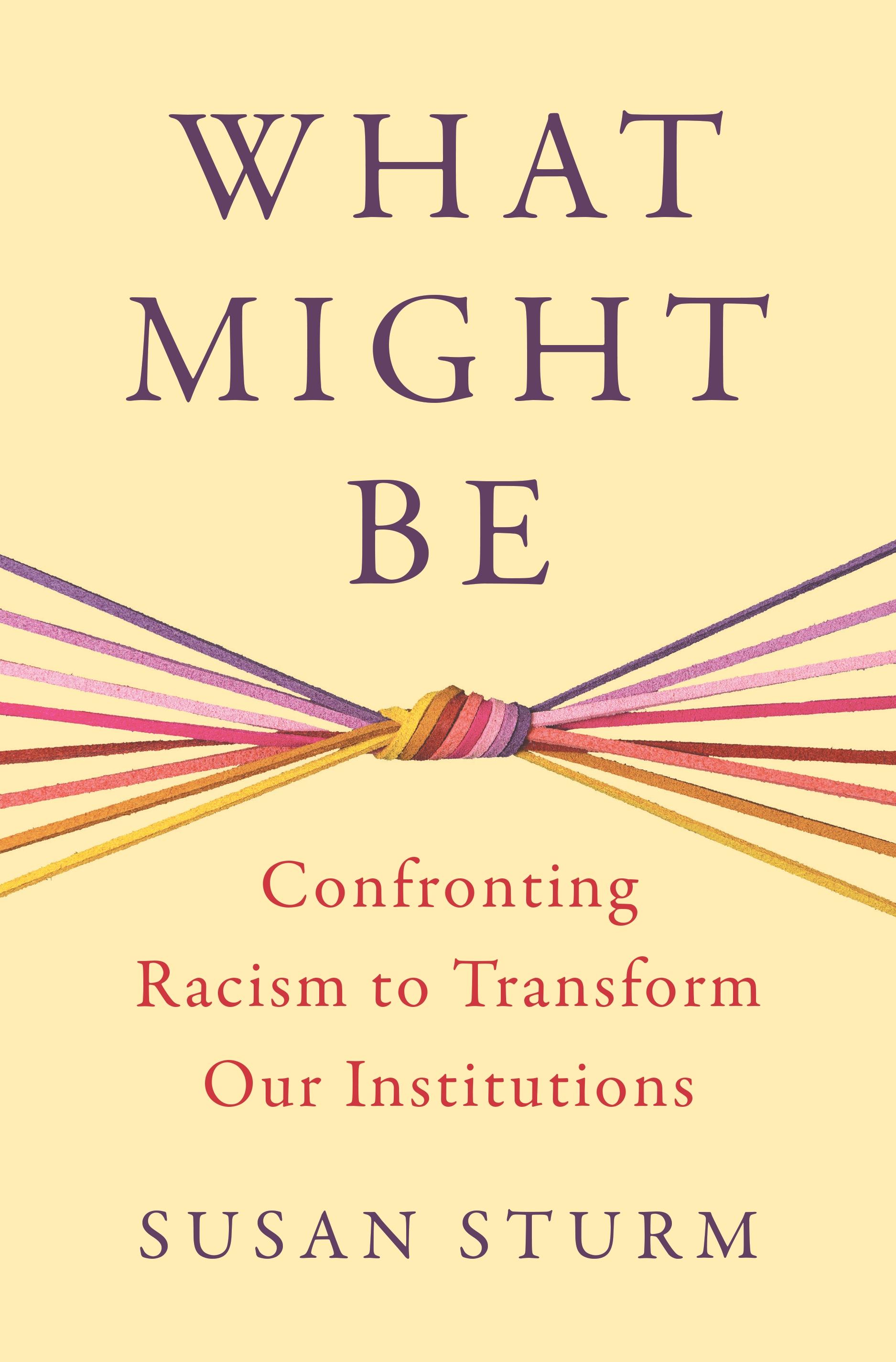
How to turn the paradoxes built into anti-racism work into drivers of learning and change
Even as anti-racism practices seemed to be gaining momentum, the nation shows signs of falling back into long-standing patterns of racial injustice and inequality. Leaders who introduce anti-racist approaches to their organizations often face backlash from white colleagues and skepticism from colleagues of color, leading to paralysis. In What Might Be, Susan Sturm explores how to navigate the contradictions built into our racialized history, relationships, and institutions. She offers strategies and stories for confronting racism within predominantly white institutions, describing how change agents can move beyond talk to build the architecture of full participation.
Sturm argues that although we cannot avoid the contradictions built into efforts to confront racism, we can make them into engines of cross-racial reflection, bridge building, and institutional reimagination, rather than falling into a Groundhog Day–like trap of repeated failures. Drawing on her decades of experience researching and working with institutions to help them become more equitable and inclusive, Sturm identifies three persistent paradoxes inherent in anti-racism work. These are the paradox of racialized power, whereby anti-racism requires white people to lean into and yet step back from exercising power; the paradox of racial salience, which means that effective efforts must explicitly name and address race while also framing their goals in universal terms other than race; and the paradox of racialized institutions, which must drive anti-racism work while simultaneously being the target of it. Sturm shows how people and institutions can cultivate the capacity to straddle these contradictions, enabling those in different racial positions to discover their linked fate and become the catalysts for long-term change.
The book includes thoughtful and critical responses from Goodwin Liu, Freeman Hrabowski, and Anurima Bhargava.
Before Memmo my notes were scattered across PDFs. Now a workspace pulls everything into one place — I see exactly what's still left to study.
Memmo's summaries are gold before exams. I don't have to re-read 800 pages two weeks before — just the important parts.
The AI chat has saved me the night before an exam more than once. I just keep asking until I get it — no waiting on a study group to reply.
The quizzes hit exactly what I need to know. Memmo tracks what I get stuck on — so I only practice what's worth it.
Flashcards with spaced repetition are magic. Memmo knows when I'm about to forget something and brings it back.
The AI podcasts are my favorite. I listen on my way to school and get a recap without sitting at a computer.

Handbok i kvalitativa metoder
281 kr

Hållbar utveckling: en introduktion för ingenjörer och andra problemlösare
334 kr

Brymans Samhällsvetenskapliga metoder
390 kr

Projektledning
491 kr

Den orättvisa hälsan: om socioekonomiska skillnader i hälsa och livslängd
326 kr

Organizational Leadership
429 kr

Vetenskapsteori för nybörjare
196 kr

På väg mot läraryrket
172 kr

Det sociala livet i skolan: Socialpsykologiska perspektiv
253 kr

Betygsättningens didaktik
151 kr

Personality
402 kr

Studying Leadership
404 kr

Managing Innovation
477 kr

Introduktion till samhällsvetenskaplig metod
347 kr

The Psychology of Sex and Gender
698 kr

Evidens och kunskap för socialt arbete
207 kr

Introduction to Leadership
605 kr