
Before Memmo my notes were scattered across PDFs. Now a workspace pulls everything into one place — I see exactly what's still left to study.
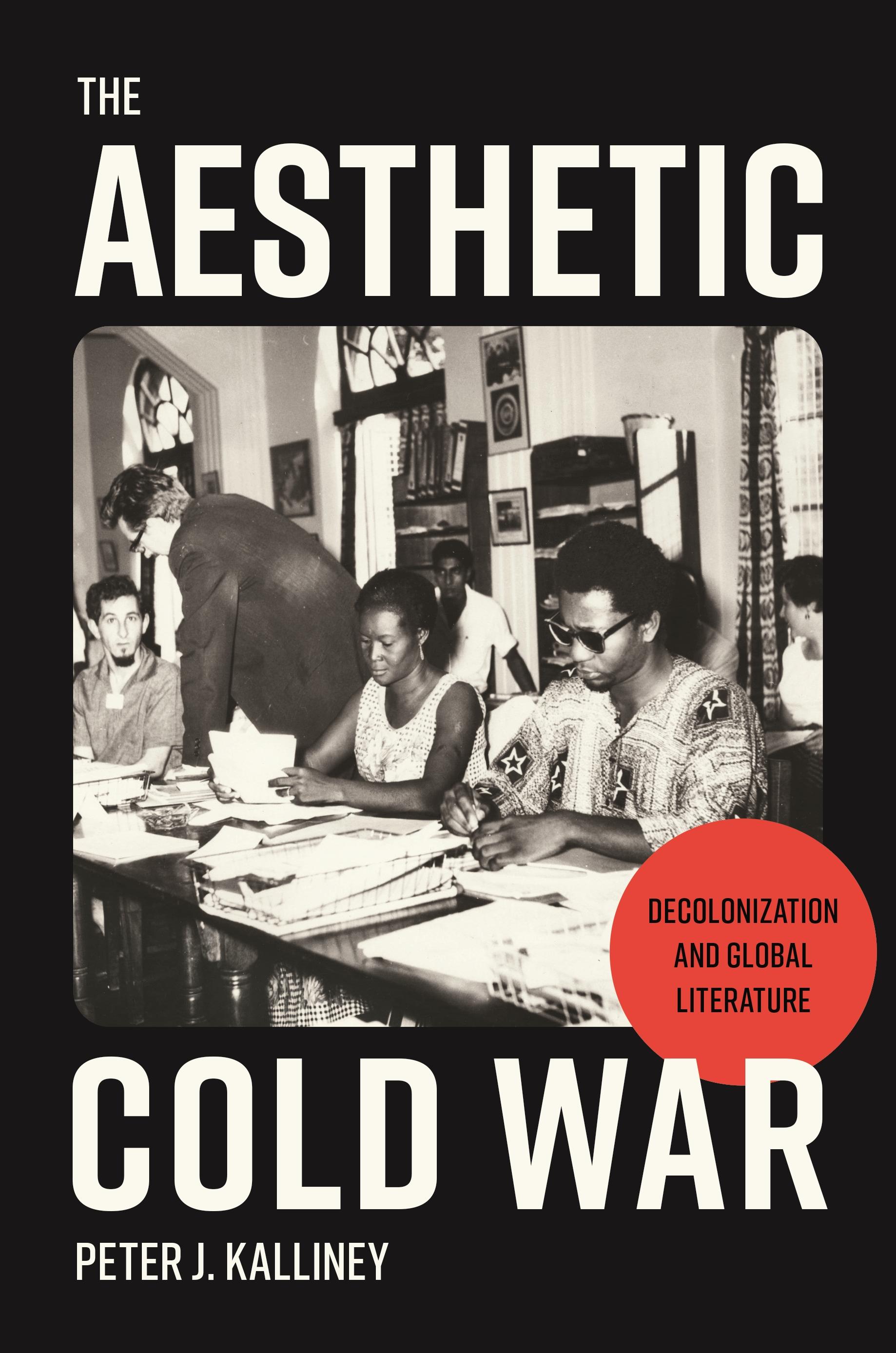
How decolonization and the cold war influenced literature from Africa, Asia, and the Caribbean
How did superpower competition and the cold war affect writers in the decolonizing world? In The Aesthetic Cold War, Peter Kalliney explores the various ways that rival states used cultural diplomacy and the political police to influence writers. In response, many writers from Africa, Asia, and the Caribbean—such as Chinua Achebe, Mulk Raj Anand, Eileen Chang, C.L.R. James, Alex La Guma, Doris Lessing, Ngũgĩ wa Thiong'o, and Wole Soyinka—carved out a vibrant conceptual space of aesthetic nonalignment, imagining a different and freer future for their work.
Kalliney looks at how the United States and the Soviet Union, in an effort to court writers, funded international conferences, arts centers, book and magazine publishing, literary prizes, and radio programming. International spy networks, however, subjected these same writers to surveillance and intimidation by tracking their movements, tapping their phones, reading their mail, and censoring or banning their work. Writers from the global south also suffered travel restrictions, deportations, imprisonment, and even death at the hands of government agents. Although conventional wisdom suggests that cold war pressures stunted the development of postcolonial literature, Kalliney's extensive archival research shows that evenly balanced superpower competition allowed savvy writers to accept patronage without pledging loyalty to specific political blocs. Likewise, writers exploited rivalries and the emerging discourse of human rights to contest the attentions of the political police.
A revisionist account of superpower involvement in literature, The Aesthetic Cold War considers how politics shaped literary production in the twentieth century.
Before Memmo my notes were scattered across PDFs. Now a workspace pulls everything into one place — I see exactly what's still left to study.
Memmo's summaries are gold before exams. I don't have to re-read 800 pages two weeks before — just the important parts.
The AI chat has saved me the night before an exam more than once. I just keep asking until I get it — no waiting on a study group to reply.
The quizzes hit exactly what I need to know. Memmo tracks what I get stuck on — so I only practice what's worth it.
Flashcards with spaced repetition are magic. Memmo knows when I'm about to forget something and brings it back.
The AI podcasts are my favorite. I listen on my way to school and get a recap without sitting at a computer.

Handbok i kvalitativa metoder
281 kr

Hållbar utveckling: en introduktion för ingenjörer och andra problemlösare
334 kr

Brymans Samhällsvetenskapliga metoder
390 kr

Projektledning
491 kr

Den orättvisa hälsan: om socioekonomiska skillnader i hälsa och livslängd
326 kr

Vetenskapsteori för nybörjare
196 kr

Organizational Leadership
429 kr

På väg mot läraryrket
172 kr

Det sociala livet i skolan: Socialpsykologiska perspektiv
253 kr

Betygsättningens didaktik
151 kr

Personality
402 kr

Studying Leadership
404 kr

Managing Innovation
477 kr

Introduktion till samhällsvetenskaplig metod
347 kr

The Psychology of Sex and Gender
698 kr

Evidens och kunskap för socialt arbete
207 kr

Introduction to Leadership
605 kr