
Before Memmo my notes were scattered across PDFs. Now a workspace pulls everything into one place — I see exactly what's still left to study.
An original account of the importance of diverse forms of fiction in the early American republic—one that challenges the “rise of the novel” narrative
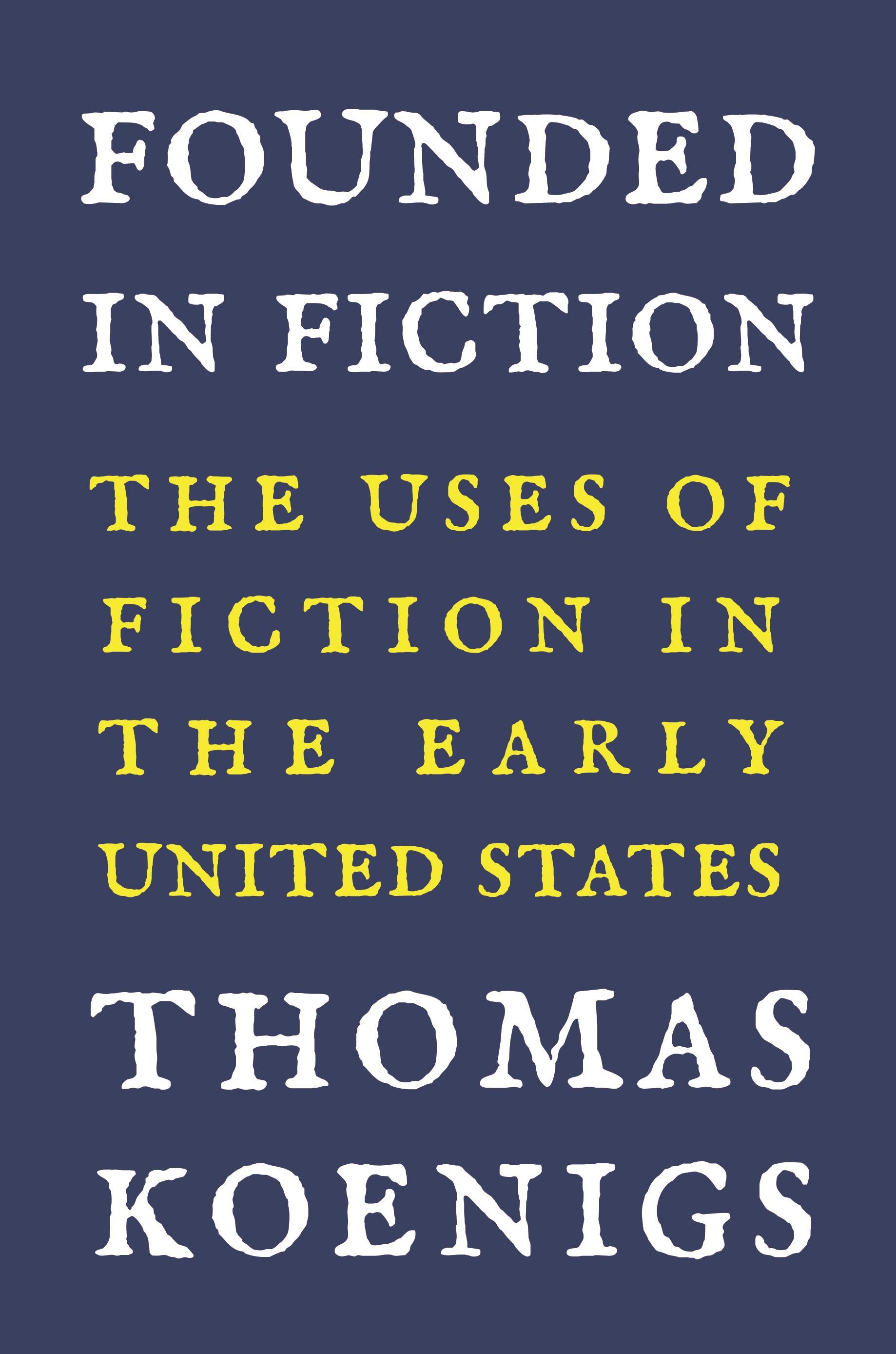
What is the use of fiction? This question preoccupied writers in the early United States, where many cultural authorities insisted that fiction-reading would mislead readers about reality. Founded in Fiction argues that this suspicion made early American writers especially attuned to one of fiction’s defining but often overlooked features—its fictionality. Thomas Koenigs shows how these writers explored the unique types of speculative knowledge that fiction could create as they sought to harness different varieties of fiction for a range of social and political projects.
Spanning the years 1789–1861, Founded in Fiction challenges the “rise of novel” narrative that has long dominated the study of American fiction by highlighting how many of the texts that have often been considered the earliest American novels actually defined themselves in contrast to the novel. Their writers developed self-consciously extranovelistic varieties of fiction, as they attempted to reform political discourse, shape women’s behavior, reconstruct a national past, and advance social criticism. Ambitious in scope, Founded in Fiction features original discussions of a wide range of canonical and lesser-known writers, including Hugh Henry Brackenridge, Royall Tyler, Charles Brockden Brown, Leonora Sansay, Catharine Maria Sedgwick, Edgar Allan Poe, Robert Montgomery Bird, George Lippard, Harriet Beecher Stowe, Frederick Douglass, and Harriet Jacobs.
By reframing the history of the novel in the United States as a history of competing varieties of fiction, Founded in Fiction shows how these fictions structured American thinking about issues ranging from national politics to gendered authority to the intimate violence of slavery.
Before Memmo my notes were scattered across PDFs. Now a workspace pulls everything into one place — I see exactly what's still left to study.
Memmo's summaries are gold before exams. I don't have to re-read 800 pages two weeks before — just the important parts.
The AI chat has saved me the night before an exam more than once. I just keep asking until I get it — no waiting on a study group to reply.
The quizzes hit exactly what I need to know. Memmo tracks what I get stuck on — so I only practice what's worth it.
Flashcards with spaced repetition are magic. Memmo knows when I'm about to forget something and brings it back.
The AI podcasts are my favorite. I listen on my way to school and get a recap without sitting at a computer.

Handbok i kvalitativa metoder
281 kr

Hållbar utveckling: en introduktion för ingenjörer och andra problemlösare
334 kr

Brymans Samhällsvetenskapliga metoder
390 kr

Projektledning
491 kr

Den orättvisa hälsan: om socioekonomiska skillnader i hälsa och livslängd
326 kr

Vetenskapsteori för nybörjare
196 kr

Organizational Leadership
429 kr

På väg mot läraryrket
172 kr

Det sociala livet i skolan: Socialpsykologiska perspektiv
253 kr

Betygsättningens didaktik
151 kr

Personality
402 kr

Studying Leadership
404 kr

Managing Innovation
477 kr

Introduktion till samhällsvetenskaplig metod
347 kr

The Psychology of Sex and Gender
698 kr

Evidens och kunskap för socialt arbete
207 kr

Introduction to Leadership
605 kr