
Before Memmo my notes were scattered across PDFs. Now a workspace pulls everything into one place — I see exactly what's still left to study.
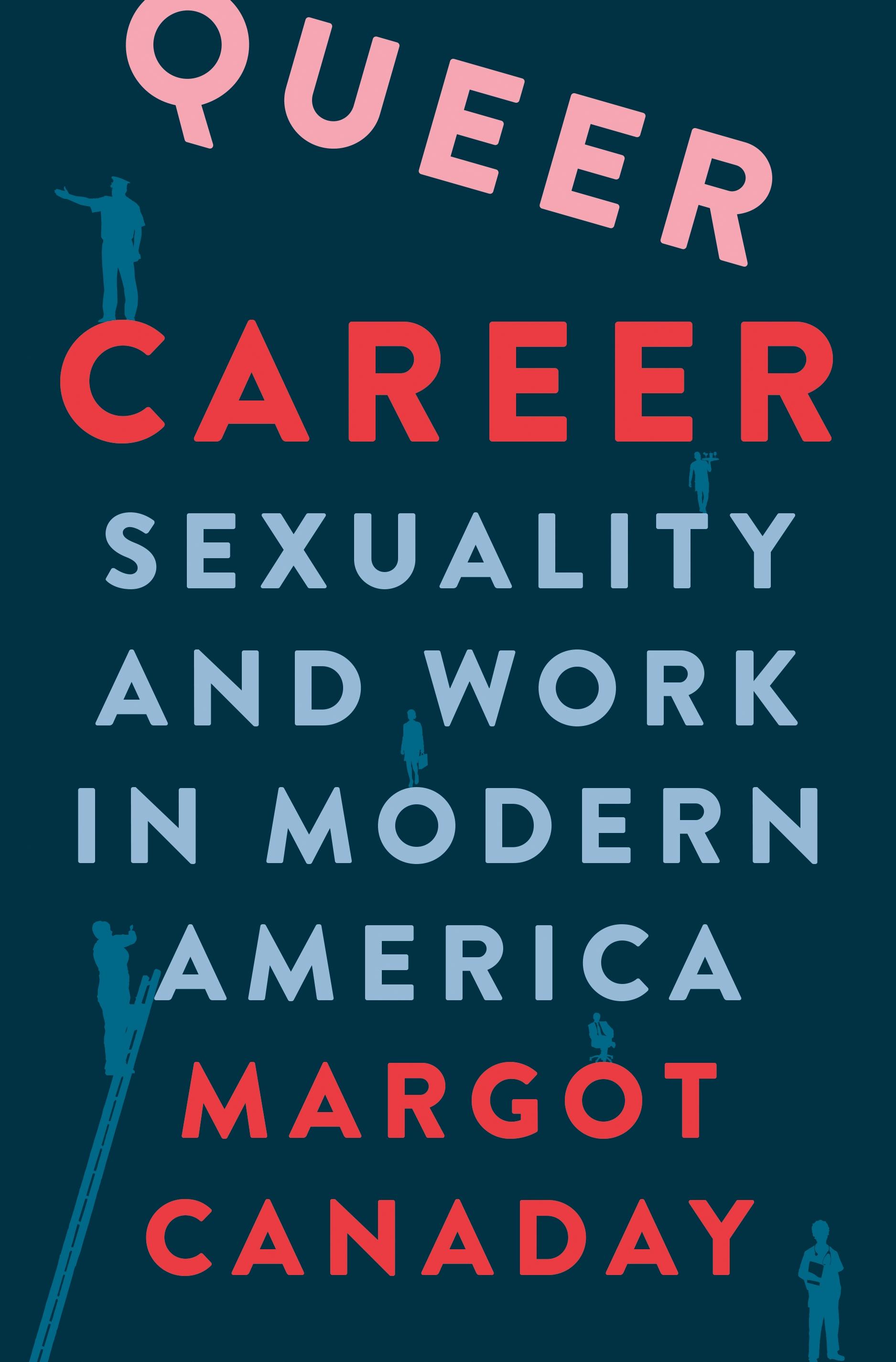
A masterful history of the queer workforce in America
Workplaces have traditionally been viewed as “straight spaces” in which queer people passed. As a result, historians have directed limited attention to the experiences of queer people on the job. Queer Career rectifies this, offering an expansive historical look at sexual minorities in the modern American workforce. Arguing that queer workers were more visible than hidden and, against the backdrop of state aggression, vulnerable to employer exploitation, Margot Canaday positions employment and fear of job loss as central to gay life in postwar America.
Rather than finding that many midcentury employers tried to root out gay employees, Canaday sees an early version of “don’t ask / don’t tell”: in all kinds of work, as long as queer workers were discreet, they were valued for the lower wages they could be paid, their contingency, their perceived lack of familial ties, and the ease with which they could be pulled in and pushed out of the labor market. Across the socioeconomic spectrum, they were harbingers of post-Fordist employment regimes we now associate with precarity. While progress was not linear, by century’s end some gay workers rejected their former discretion, and some employers eventually offered them protection unattained through law. Pushed by activists at the corporate grass roots, business emerged at the forefront of employment rights for sexual minorities. It did so, at least in part, in response to the way that queer workers aligned with, and even prefigured, the labor system of late capitalism.
Queer Career shows how queer history helps us understand the recent history of capitalism and labor and rewrites our understanding of the queer past.
Before Memmo my notes were scattered across PDFs. Now a workspace pulls everything into one place — I see exactly what's still left to study.
Memmo's summaries are gold before exams. I don't have to re-read 800 pages two weeks before — just the important parts.
The AI chat has saved me the night before an exam more than once. I just keep asking until I get it — no waiting on a study group to reply.
The quizzes hit exactly what I need to know. Memmo tracks what I get stuck on — so I only practice what's worth it.
Flashcards with spaced repetition are magic. Memmo knows when I'm about to forget something and brings it back.
The AI podcasts are my favorite. I listen on my way to school and get a recap without sitting at a computer.

Handbok i kvalitativa metoder
281 kr

Hållbar utveckling: en introduktion för ingenjörer och andra problemlösare
334 kr

Brymans Samhällsvetenskapliga metoder
390 kr

Projektledning
491 kr

Den orättvisa hälsan: om socioekonomiska skillnader i hälsa och livslängd
326 kr

Vetenskapsteori för nybörjare
196 kr

Organizational Leadership
429 kr

På väg mot läraryrket
172 kr

Det sociala livet i skolan: Socialpsykologiska perspektiv
253 kr

Betygsättningens didaktik
151 kr

Personality
402 kr

Studying Leadership
404 kr

Managing Innovation
477 kr

Introduktion till samhällsvetenskaplig metod
347 kr

The Psychology of Sex and Gender
698 kr

Evidens och kunskap för socialt arbete
207 kr

Introduction to Leadership
605 kr