
Before Memmo my notes were scattered across PDFs. Now a workspace pulls everything into one place — I see exactly what's still left to study.
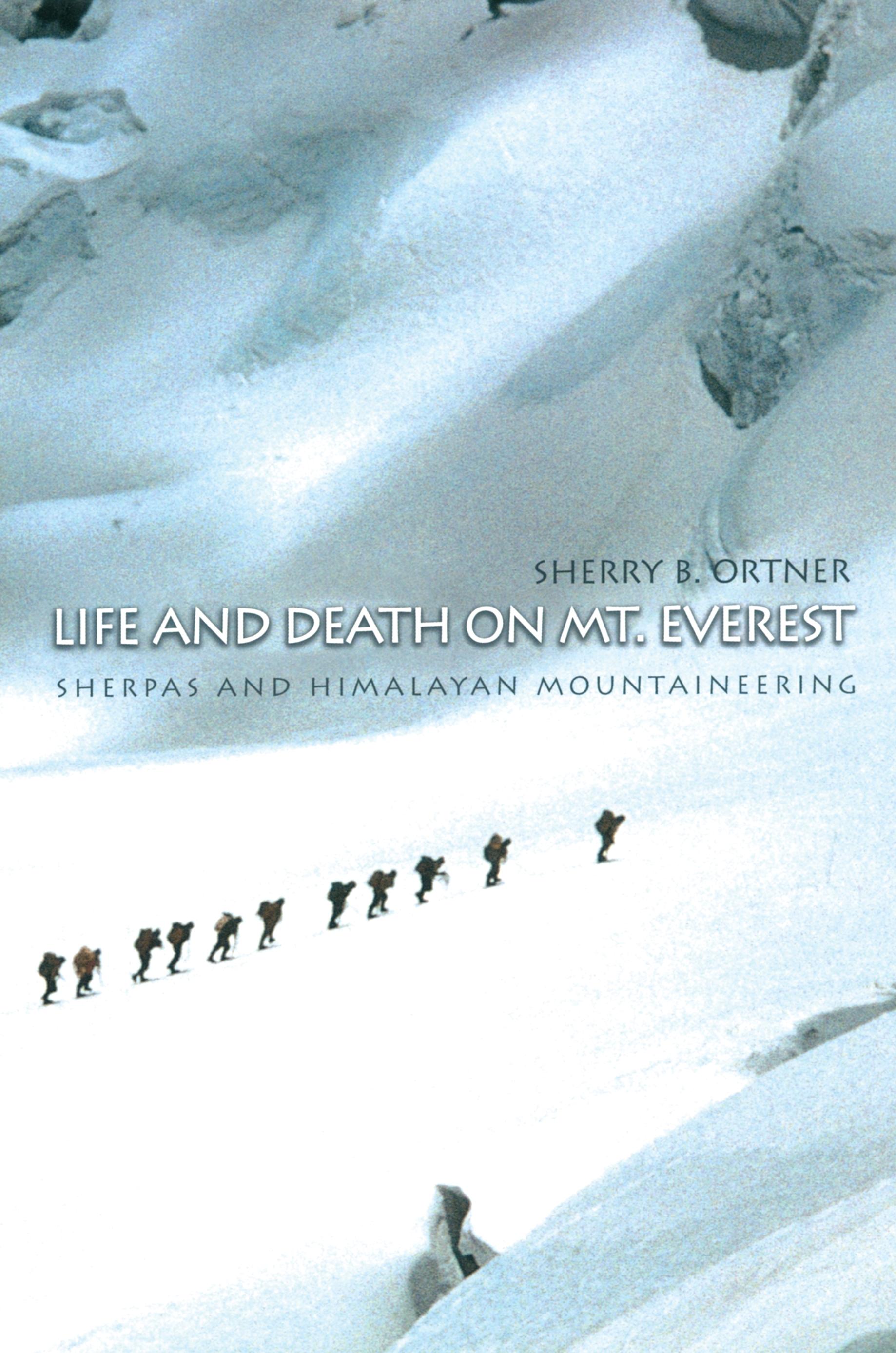
The Sherpas were dead, two more victims of an attempt to scale Mt. Everest. Members of a French climbing expedition, sensitive perhaps about leaving the bodies where they could not be recovered, rolled them off a steep mountain face. One body, however, crashed to a stop near Sherpas on a separate expedition far below. They stared at the frozen corpse, stunned. They said nothing, but an American climber observing the scene interpreted their thoughts: Nobody would throw the body of a white climber off Mt. Everest.
For more than a century, climbers from around the world have journ-eyed to test themselves on Everest's treacherous slopes, enlisting the expert aid of the Sherpas who live in the area. Drawing on years of field research in the Himalayas, renowned anthropologist Sherry Ortner presents a compelling account of the evolving relationship between the mountaineers and the Sherpas, a relationship of mutual dependence and cultural conflict played out in an environment of mortal risk.
Ortner explores this relationship partly through gripping accounts of expeditions--often in the climbers' own words--ranging from nineteenth-century forays by the British through the historic ascent of Hillary and Tenzing to the disasters described in Jon Krakauer's Into Thin Air. She reveals the climbers, or "sahibs," to use the Sherpas' phrase, as countercultural romantics, seeking to transcend the vulgarity and materialism of modernity through the rigor and beauty of mountaineering. She shows how climbers' behavior toward the Sherpas has ranged from kindness to cruelty, from cultural sensitivity to derision. Ortner traces the political and economic factors that led the Sherpas to join expeditions and examines the impact of climbing on their traditional culture, religion, and identity. She examines Sherpas' attitude toward death, the implications of the shared masculinity of Sherpas and sahibs, and the relationship between Sherpas and the increasing number of women climbers. Ortner also tackles debates about whether the Sherpas have been "spoiled" by mountaineering and whether climbing itself has been spoiled by commercialism.
Before Memmo my notes were scattered across PDFs. Now a workspace pulls everything into one place — I see exactly what's still left to study.
Memmo's summaries are gold before exams. I don't have to re-read 800 pages two weeks before — just the important parts.
The AI chat has saved me the night before an exam more than once. I just keep asking until I get it — no waiting on a study group to reply.
The quizzes hit exactly what I need to know. Memmo tracks what I get stuck on — so I only practice what's worth it.
Flashcards with spaced repetition are magic. Memmo knows when I'm about to forget something and brings it back.
The AI podcasts are my favorite. I listen on my way to school and get a recap without sitting at a computer.

Handbok i kvalitativa metoder
281 kr

Hållbar utveckling: en introduktion för ingenjörer och andra problemlösare
334 kr

Brymans Samhällsvetenskapliga metoder
390 kr

Projektledning
491 kr

Den orättvisa hälsan: om socioekonomiska skillnader i hälsa och livslängd
326 kr

Vetenskapsteori för nybörjare
196 kr

Organizational Leadership
429 kr

På väg mot läraryrket
172 kr

Det sociala livet i skolan: Socialpsykologiska perspektiv
253 kr

Betygsättningens didaktik
151 kr

Personality
402 kr

Studying Leadership
404 kr

Managing Innovation
477 kr

Introduktion till samhällsvetenskaplig metod
347 kr

The Psychology of Sex and Gender
698 kr

Evidens och kunskap för socialt arbete
207 kr

Introduction to Leadership
605 kr