
Before Memmo my notes were scattered across PDFs. Now a workspace pulls everything into one place — I see exactly what's still left to study.
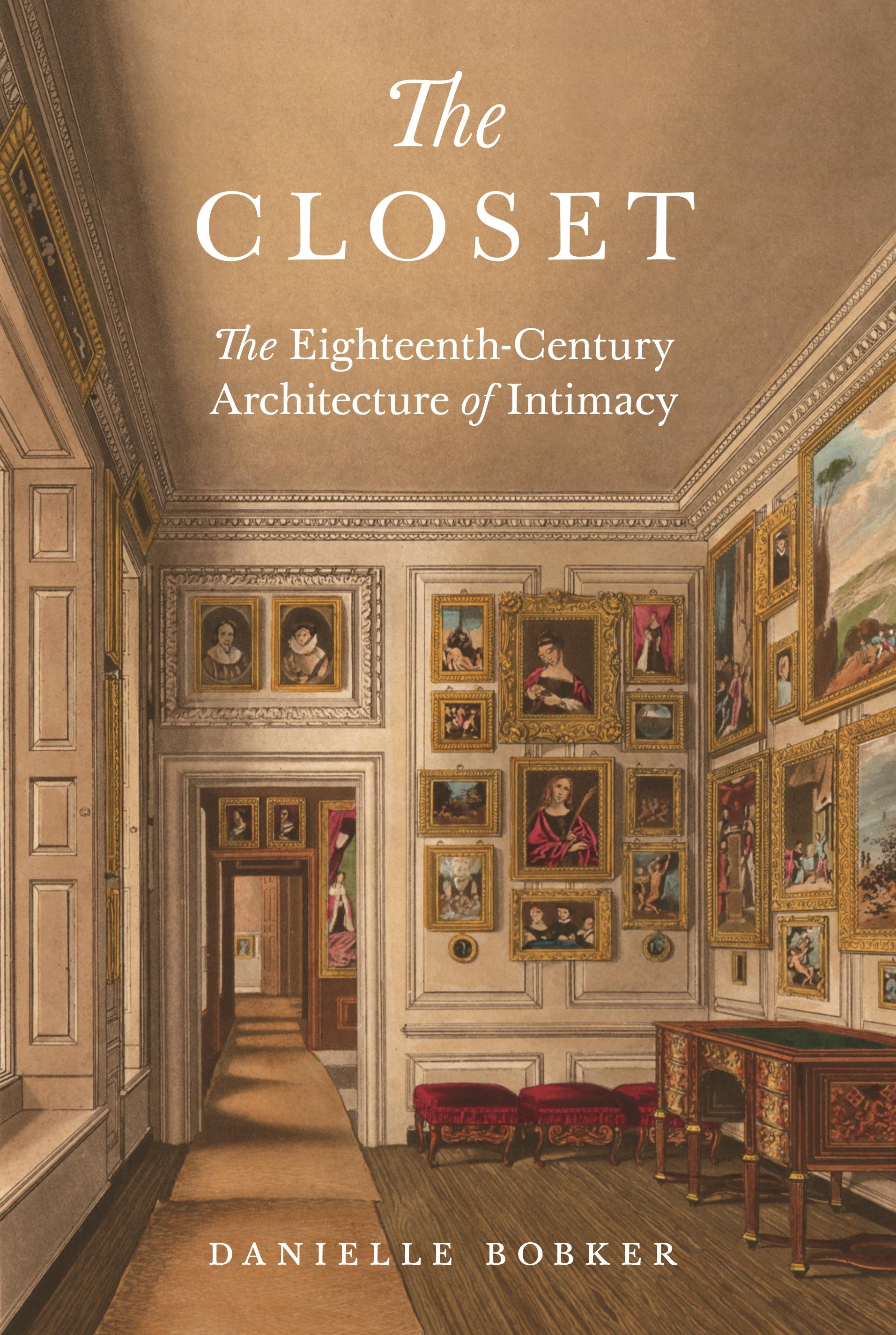
A literary and cultural history of the intimate space of the eighteenth-century closet—and how it fired the imaginations of Pepys, Sterne, Swift, and so many other writers
Long before it was a hidden storage space or a metaphor for queer and trans shame, the closet was one of the most charged settings in English architecture. This private room provided seclusion for reading, writing, praying, dressing, and collecting—and for talking in select company. In their closets, kings and duchesses shared secrets with favorites, midwives and apothecaries dispensed remedies, and newly wealthy men and women expanded their social networks. In The Closet, Danielle Bobker presents a literary and cultural history of these sites of extrafamilial intimacy, revealing how, as they proliferated both in buildings and in books, closets also became powerful symbols of the unstable virtual intimacy of the first mass-medium of print.
Focused on the connections between status-conscious—and often awkward—interpersonal dynamics and an increasingly inclusive social and media landscape, The Closet examines dozens of historical and fictional encounters taking place in the various iterations of this room: courtly closets, bathing closets, prayer closets, privies, and the "moving closet" of the coach, among many others. In the process, the book conjures the intimate lives of well-known figures such as Samuel Pepys and Laurence Sterne, as well as less familiar ones such as Miss Hobart, a maid of honor at the Restoration court, and Lady Anne Acheson, Swift's patroness. Turning finally to queer theory, The Closet discovers uncanny echoes of the eighteenth-century language of the closet in twenty-first-century coming-out narratives.
Featuring more than thirty illustrations, The Closet offers a richly detailed and compelling account of an eighteenth-century setting and symbol of intimacy that continues to resonate today.
Before Memmo my notes were scattered across PDFs. Now a workspace pulls everything into one place — I see exactly what's still left to study.
Memmo's summaries are gold before exams. I don't have to re-read 800 pages two weeks before — just the important parts.
The AI chat has saved me the night before an exam more than once. I just keep asking until I get it — no waiting on a study group to reply.
The quizzes hit exactly what I need to know. Memmo tracks what I get stuck on — so I only practice what's worth it.
Flashcards with spaced repetition are magic. Memmo knows when I'm about to forget something and brings it back.
The AI podcasts are my favorite. I listen on my way to school and get a recap without sitting at a computer.

Handbok i kvalitativa metoder
281 kr

Hållbar utveckling: en introduktion för ingenjörer och andra problemlösare
334 kr

Brymans Samhällsvetenskapliga metoder
390 kr

Projektledning
491 kr

Den orättvisa hälsan: om socioekonomiska skillnader i hälsa och livslängd
326 kr

Vetenskapsteori för nybörjare
196 kr

Organizational Leadership
429 kr

På väg mot läraryrket
172 kr

Det sociala livet i skolan: Socialpsykologiska perspektiv
253 kr

Betygsättningens didaktik
151 kr

Personality
402 kr

Studying Leadership
404 kr

Managing Innovation
477 kr

Introduktion till samhällsvetenskaplig metod
347 kr

The Psychology of Sex and Gender
698 kr

Evidens och kunskap för socialt arbete
207 kr

Introduction to Leadership
605 kr