
Before Memmo my notes were scattered across PDFs. Now a workspace pulls everything into one place — I see exactly what's still left to study.
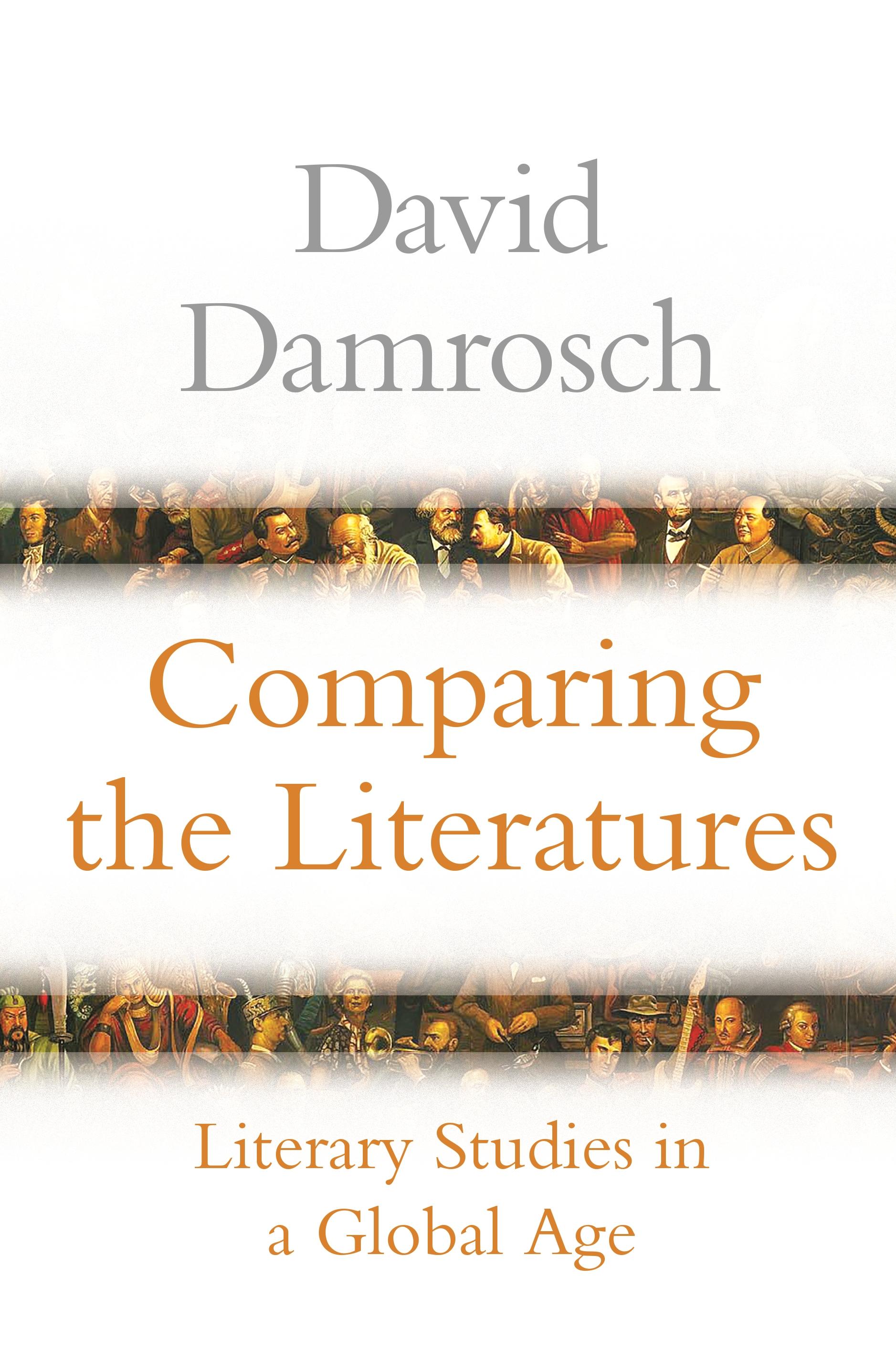
From a leading figure in comparative literature, a major new survey of the field that points the way forward for a discipline undergoing rapid changes
Literary studies are being transformed today by the expansive and disruptive forces of globalization. More works than ever circulate worldwide in English and in translation, and even national traditions are increasingly seen in transnational terms. To encompass this expanding literary universe, scholars and teachers need to increase their linguistic and cultural resources, rethink their methods and training, and reconceive the place of literature and criticism in the world. In Comparing the Literatures, David Damrosch integrates comparative, postcolonial, and world-literary perspectives to offer a comprehensive overview of comparative studies and its prospects in a time of great upheaval and great opportunity.
Comparing the Literatures looks both at institutional forces and at key episodes in the life and work of comparatists who have struggled to define and redefine the terms of literary analysis over the past two centuries, from Johann Gottfried Herder and Germaine de Staël to Edward Said, Gayatri Spivak, Franco Moretti, and Emily Apter. With literary examples ranging from Ovid and Kalidasa to James Joyce, Yoko Tawada, and the internet artists Young-Hae Chang Heavy Industries, Damrosch shows how the main strands of comparison—philology, literary theory, colonial and postcolonial studies, and the study of world literature—have long been intertwined. A deeper understanding of comparative literature's achievements, persistent contradictions, and even failures can help comparatists in literature and other fields develop creative responses to today's most important questions and debates.
Amid a multitude of challenges and new possibilities for comparative literature, Comparing the Literatures provides an important road map for the discipline's revitalization.
Before Memmo my notes were scattered across PDFs. Now a workspace pulls everything into one place — I see exactly what's still left to study.
Memmo's summaries are gold before exams. I don't have to re-read 800 pages two weeks before — just the important parts.
The AI chat has saved me the night before an exam more than once. I just keep asking until I get it — no waiting on a study group to reply.
The quizzes hit exactly what I need to know. Memmo tracks what I get stuck on — so I only practice what's worth it.
Flashcards with spaced repetition are magic. Memmo knows when I'm about to forget something and brings it back.
The AI podcasts are my favorite. I listen on my way to school and get a recap without sitting at a computer.

Handbok i kvalitativa metoder
281 kr

Hållbar utveckling: en introduktion för ingenjörer och andra problemlösare
334 kr

Brymans Samhällsvetenskapliga metoder
390 kr

Projektledning
491 kr

Den orättvisa hälsan: om socioekonomiska skillnader i hälsa och livslängd
326 kr

Vetenskapsteori för nybörjare
196 kr

Organizational Leadership
429 kr

På väg mot läraryrket
172 kr

Det sociala livet i skolan: Socialpsykologiska perspektiv
253 kr

Betygsättningens didaktik
151 kr

Personality
402 kr

Studying Leadership
404 kr

Managing Innovation
477 kr

Introduktion till samhällsvetenskaplig metod
347 kr

The Psychology of Sex and Gender
698 kr

Evidens och kunskap för socialt arbete
207 kr

Introduction to Leadership
605 kr