
Before Memmo my notes were scattered across PDFs. Now a workspace pulls everything into one place — I see exactly what's still left to study.
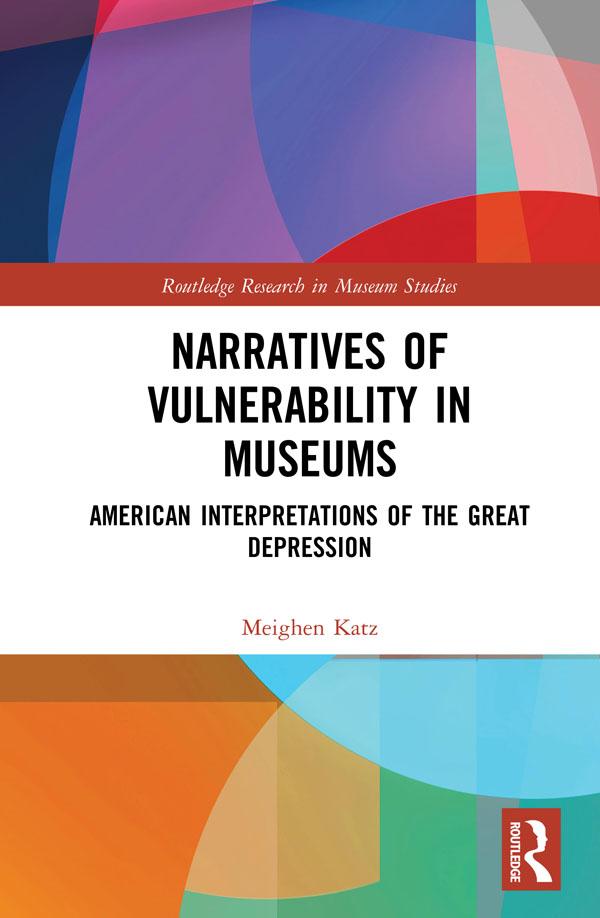
Narratives of Vulnerability in Museums is a study of the challenges museums face when they present narratives of instability, uncertainty, and fear in their exhibitions. As a period of sustained societal and personal vulnerability, the Great Depression remains a watershed era in American history. It is an era when iconic visual culture of deprivation mixes in the popular imagination with groundbreaking government policy and has immense potential for museums, but this is accompanied by significant challenges. Analysing a range of case studies, the book explores both the successes and obstacles involved in translating historical narratives of vulnerability to the exhibition floor.
Incorporating an innovative, trans-genre museological model, the book draws connections between exhibitions of history, art, and technology, as well as heritage sites, focused on a single era. Employing interpretations of housing, preserved and reconstructed, to discuss ideas of belonging and community, the book also examines the power of the iconic national story and the struggle for local relevance through discussions on strikes and industrial action. Finally, it examines the use of fine art in history exhibitions to access the emotional aspects of historical experience. The result is a volume that considers both how societies talk about less celebratory aspects of history, but also the expectations placed on museums as interpreters of the public narrative and agents of change.
Narratives of Vulnerability in Museums makes a significant contribution to discourses of museum and heritage studies, of interwar history, of the social role of cultural institutions, and to vulnerability and resilience studies. As such, it should be essential reading for scholars and students working in these disciplines, as well as architecture, cultural studies, and human geography.
Before Memmo my notes were scattered across PDFs. Now a workspace pulls everything into one place — I see exactly what's still left to study.
Memmo's summaries are gold before exams. I don't have to re-read 800 pages two weeks before — just the important parts.
The AI chat has saved me the night before an exam more than once. I just keep asking until I get it — no waiting on a study group to reply.
The quizzes hit exactly what I need to know. Memmo tracks what I get stuck on — so I only practice what's worth it.
Flashcards with spaced repetition are magic. Memmo knows when I'm about to forget something and brings it back.
The AI podcasts are my favorite. I listen on my way to school and get a recap without sitting at a computer.

Handbok i kvalitativa metoder
281 kr

Hållbar utveckling: en introduktion för ingenjörer och andra problemlösare
334 kr

Brymans Samhällsvetenskapliga metoder
390 kr

Projektledning
491 kr

Den orättvisa hälsan: om socioekonomiska skillnader i hälsa och livslängd
326 kr

Vetenskapsteori för nybörjare
196 kr

Organizational Leadership
429 kr

På väg mot läraryrket
172 kr

Det sociala livet i skolan: Socialpsykologiska perspektiv
253 kr

Betygsättningens didaktik
151 kr

Personality
402 kr

Studying Leadership
404 kr

Managing Innovation
477 kr

Introduktion till samhällsvetenskaplig metod
347 kr

The Psychology of Sex and Gender
698 kr

Evidens och kunskap för socialt arbete
207 kr

Introduction to Leadership
605 kr