
Before Memmo my notes were scattered across PDFs. Now a workspace pulls everything into one place — I see exactly what's still left to study.
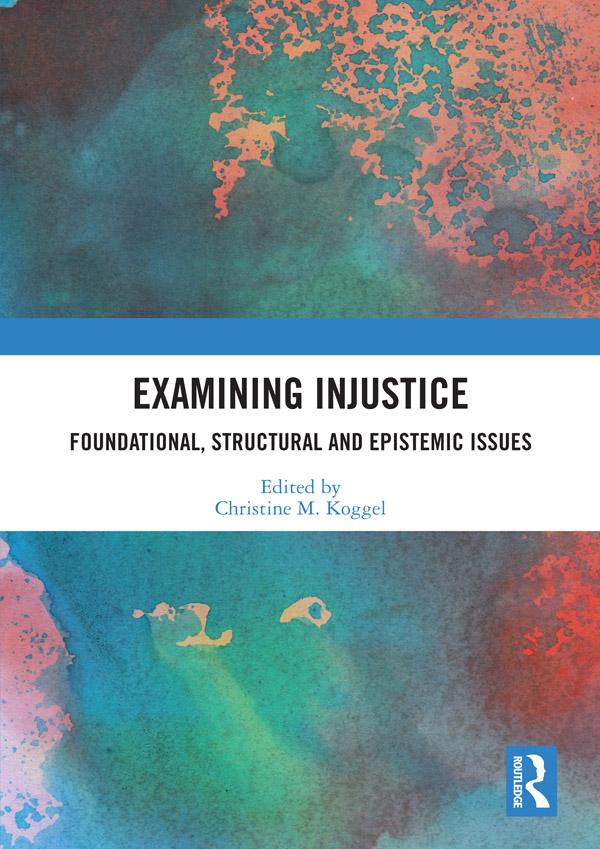
The past several decades have witnessed a surge in critiques of justice theory by gender, race, disability, post-colonial, non-Western, and other anti-oppression theorists. These theorists tend to reject ideal theory and instead engage in ‘theorizing’ that takes the details of people’s lives to be central to understanding and alleviating injustices. These theorists reveal injustices emerging from norms assumed in mainstream justice theory and uncover them to challenge liberal accounts of moral reasoning and responsibility rooted in individualist conceptions of the self. Instead, they defend a relational conception of selves as born into relationships and shaped by norms, institutions, and structures that determine needs, opportunities, and life prospects differently for different people and groups.
Attention to real world circumstances of injustice reveals inequalities in power between developed and developing countries; former colonizers and those colonized within and across nations; and the powerful and marginalized/oppressed where racism, classism, sexism, heterosexism, and so on still prevail. This volume sets out to examine a range of injustices emerging from, and shaped by, histories and contexts of patriarchy, racism, colonialism, capitalism, and so on. These are the kinds of injustices that affect the lives and well-being of people at the global, national, and local levels. The chapters in this book were originally published in the Ethics and Social Welfare journal.
Before Memmo my notes were scattered across PDFs. Now a workspace pulls everything into one place — I see exactly what's still left to study.
Memmo's summaries are gold before exams. I don't have to re-read 800 pages two weeks before — just the important parts.
The AI chat has saved me the night before an exam more than once. I just keep asking until I get it — no waiting on a study group to reply.
The quizzes hit exactly what I need to know. Memmo tracks what I get stuck on — so I only practice what's worth it.
Flashcards with spaced repetition are magic. Memmo knows when I'm about to forget something and brings it back.
The AI podcasts are my favorite. I listen on my way to school and get a recap without sitting at a computer.

Handbok i kvalitativa metoder
281 kr

Hållbar utveckling: en introduktion för ingenjörer och andra problemlösare
334 kr

Brymans Samhällsvetenskapliga metoder
390 kr

Projektledning
491 kr

Den orättvisa hälsan: om socioekonomiska skillnader i hälsa och livslängd
326 kr

Organizational Leadership
429 kr

Vetenskapsteori för nybörjare
196 kr

På väg mot läraryrket
172 kr

Det sociala livet i skolan: Socialpsykologiska perspektiv
253 kr

Betygsättningens didaktik
151 kr

Personality
402 kr

Studying Leadership
404 kr

Managing Innovation
477 kr

Introduktion till samhällsvetenskaplig metod
347 kr

The Psychology of Sex and Gender
698 kr

Evidens och kunskap för socialt arbete
207 kr

Introduction to Leadership
605 kr