
Before Memmo my notes were scattered across PDFs. Now a workspace pulls everything into one place — I see exactly what's still left to study.
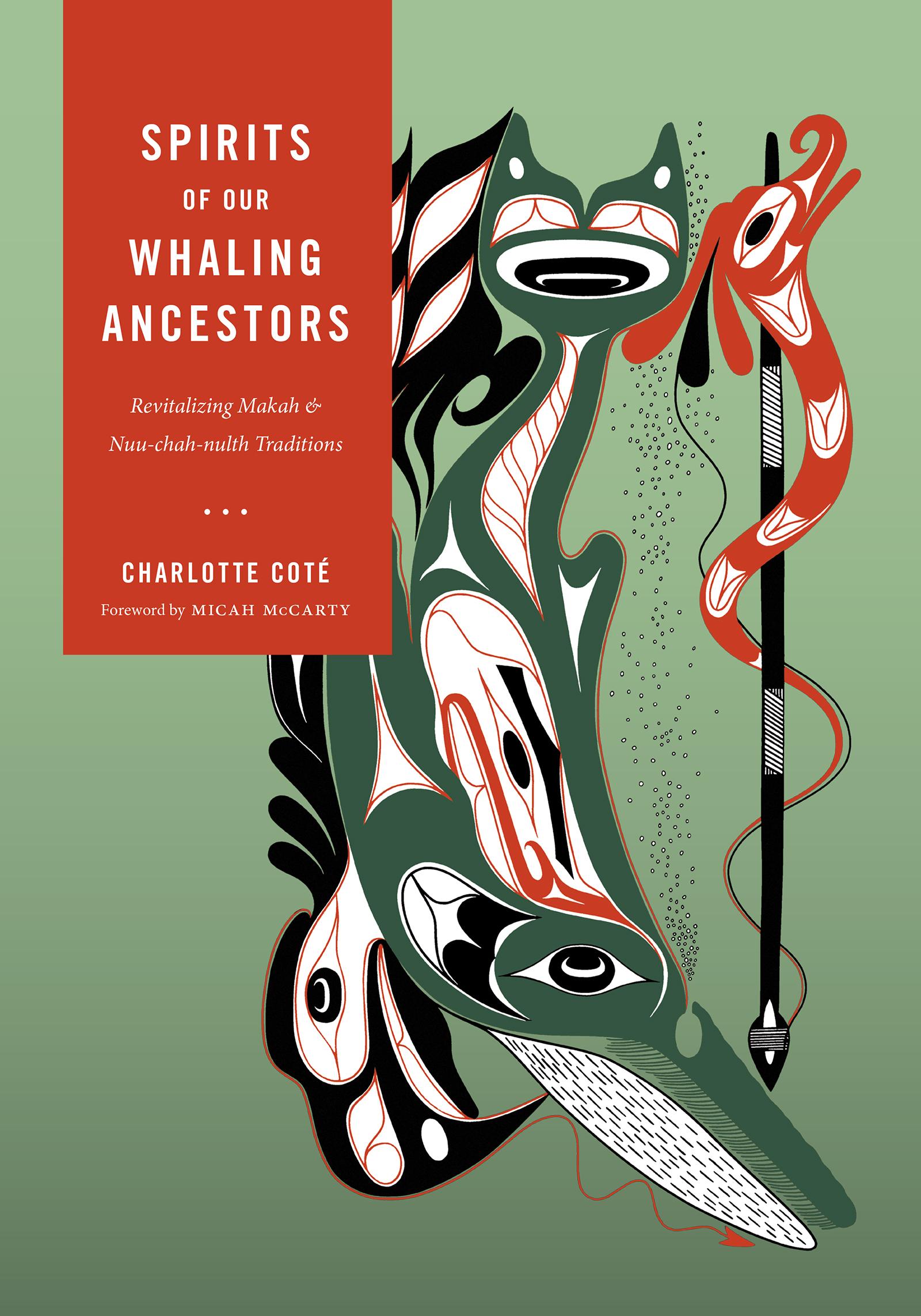
Following the removal of the gray whale from the Endangered Species list in 1994, the Makah tribe of northwest Washington State announced that they would revive their whale hunts; their relatives, the Nuu-chah-nulth Nation of British Columbia, shortly followed suit. Neither tribe had exercised their right to whale - in the case of the Makah, a right affirmed in their 1855 treaty with the federal government - since the gray whale had been hunted nearly to extinction by commercial whalers in the 1920s. The Makah whale hunt of 1999 was an event of international significance, connected to the worldwide struggle for aboriginal sovereignty and to the broader discourses of environmental sustainability, treaty rights, human rights, and animal rights. It was met with enthusiastic support and vehement opposition.
As a member of the Nuu-chah-nulth Nation, Charlotte Cote offers a valuable perspective on the issues surrounding indigenous whaling, past and present. Whaling served important social, economic, and ritual functions that have been at the core of Makah and Nuu-chahnulth societies throughout their histories. Even as Native societies faced disease epidemics and federal policies that undermined their cultures, they remained connected to their traditions. The revival of whaling has implications for the physical, mental, and spiritual health of these Native communities today, Cote asserts. Whaling, she says, “defines who we are as a people.”
Her analysis includes major Native studies and contemporary Native rights issues, and addresses environmentalism, animal rights activism, anti-treaty conservatism, and the public’s expectations about what it means to be “Indian.” These thoughtful critiques are intertwined with the author’s personal reflections, family stories, and information from indigenous, anthropological, and historical sources to provide a bridge between cultures.
A Capell Family Book
Before Memmo my notes were scattered across PDFs. Now a workspace pulls everything into one place — I see exactly what's still left to study.
Memmo's summaries are gold before exams. I don't have to re-read 800 pages two weeks before — just the important parts.
The AI chat has saved me the night before an exam more than once. I just keep asking until I get it — no waiting on a study group to reply.
The quizzes hit exactly what I need to know. Memmo tracks what I get stuck on — so I only practice what's worth it.
Flashcards with spaced repetition are magic. Memmo knows when I'm about to forget something and brings it back.
The AI podcasts are my favorite. I listen on my way to school and get a recap without sitting at a computer.

Handbok i kvalitativa metoder
281 kr

Hållbar utveckling: en introduktion för ingenjörer och andra problemlösare
334 kr

Brymans Samhällsvetenskapliga metoder
390 kr

Projektledning
491 kr

Den orättvisa hälsan: om socioekonomiska skillnader i hälsa och livslängd
326 kr

Vetenskapsteori för nybörjare
196 kr

Organizational Leadership
429 kr

På väg mot läraryrket
172 kr

Det sociala livet i skolan: Socialpsykologiska perspektiv
253 kr

Betygsättningens didaktik
151 kr

Personality
402 kr

Studying Leadership
404 kr

Managing Innovation
477 kr

Introduktion till samhällsvetenskaplig metod
347 kr

The Psychology of Sex and Gender
698 kr

Evidens och kunskap för socialt arbete
207 kr

Introduction to Leadership
605 kr