
Before Memmo my notes were scattered across PDFs. Now a workspace pulls everything into one place — I see exactly what's still left to study.
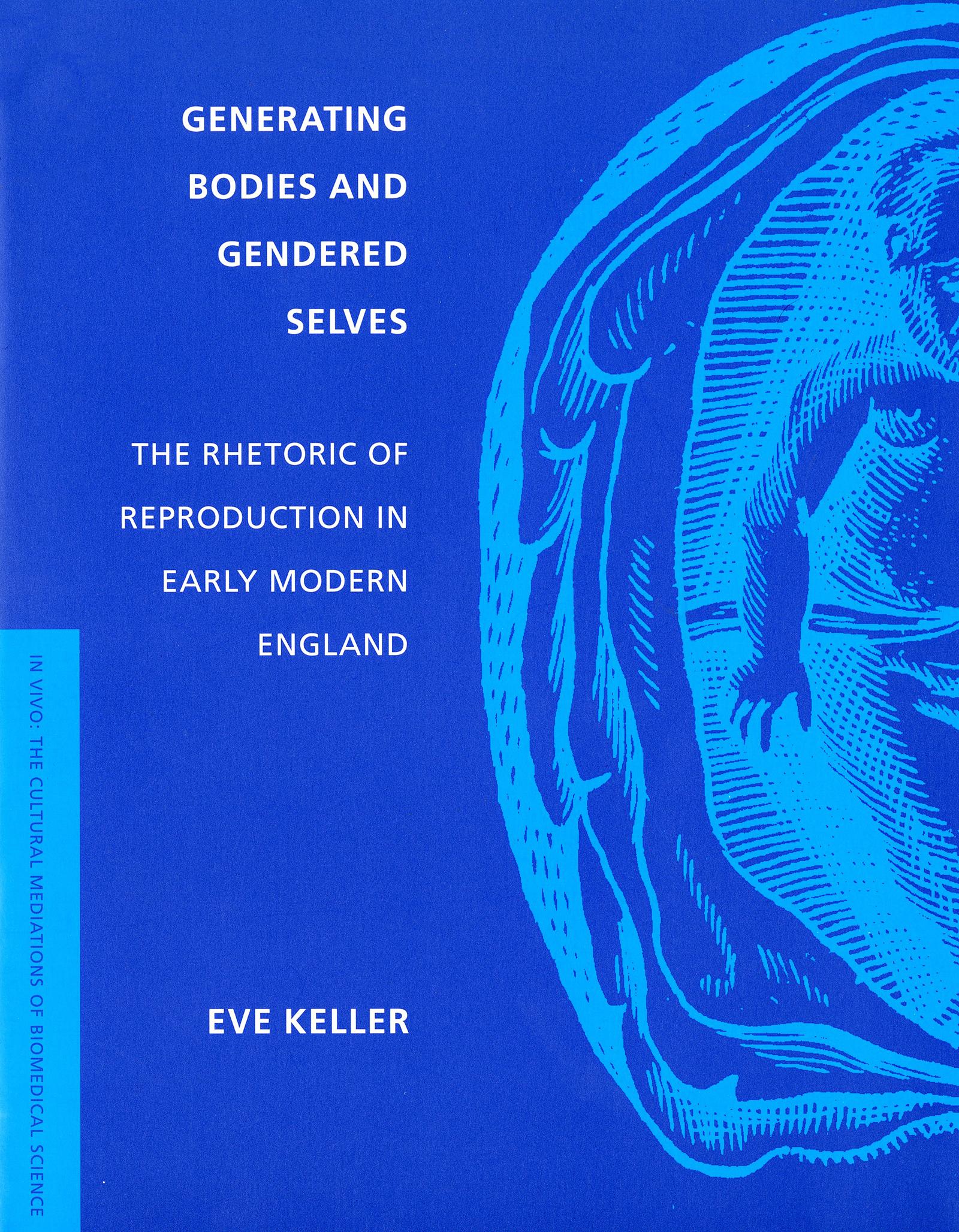
Generating Bodies and Gendered Selves examines the textured interrelations between medical writing about generation and childbirth - what we now call reproduction - and emerging notions of selfhood in early modern England. At a time when medical texts first appeared in English in large numbers and the first signs of modern medicine were emerging both in theory and in practice, medical discourse of the body was richly interwoven with cultural concerns.
Through close readings of a wide range of English-language medical texts from the mid-sixteenth to the early eighteenth centuries, from learned anatomies and works of observational embryology to popular books of physic and commercial midwifery manuals, Keller looks at the particular assumptions about bodies and selves that medical language inevitably enfolds. When wombs are described as "free" but nonetheless "bridled" to the bone; when sperm, first seen in the seventeenth century by the aid of the microscope, are imagined as minute "adventurers" seeking a safe spot to be "nursed": and when for the first time embryos are described as "freeborn," fully "independent" from the females who bear them, the rhetorical formulations of generating bodies seem clearly to implicate ideas about the gendered self.
Keller shows how, in an age marked by social, intellectual, and political upheaval, early modern English medicine inscribes in the flesh and functioning of its generating bodies the manifold questions about gender, politics, and philosophy that together give rise to the modern Western liberal self - a historically constrained (and, Keller argues, a historically aberrant) notion of the self as individuated and autonomous, fully rational and thoroughly male.
An engagingly written and interdisciplinary work that forges a critical nexus among medical history, cultural studies, and literary analysis, Generating Bodies and Gendered Selves will interest scholars in early modern literary studies, feminist and cultural studies of the body and subjectivity, and the history of women's healthcare and reproductive rights.
Before Memmo my notes were scattered across PDFs. Now a workspace pulls everything into one place — I see exactly what's still left to study.
Memmo's summaries are gold before exams. I don't have to re-read 800 pages two weeks before — just the important parts.
The AI chat has saved me the night before an exam more than once. I just keep asking until I get it — no waiting on a study group to reply.
The quizzes hit exactly what I need to know. Memmo tracks what I get stuck on — so I only practice what's worth it.
Flashcards with spaced repetition are magic. Memmo knows when I'm about to forget something and brings it back.
The AI podcasts are my favorite. I listen on my way to school and get a recap without sitting at a computer.

Handbok i kvalitativa metoder
281 kr

Hållbar utveckling: en introduktion för ingenjörer och andra problemlösare
334 kr

Brymans Samhällsvetenskapliga metoder
390 kr

Projektledning
491 kr

Den orättvisa hälsan: om socioekonomiska skillnader i hälsa och livslängd
326 kr

Organizational Leadership
429 kr

Vetenskapsteori för nybörjare
196 kr

På väg mot läraryrket
172 kr

Det sociala livet i skolan: Socialpsykologiska perspektiv
253 kr

Betygsättningens didaktik
151 kr

Personality
402 kr

Studying Leadership
404 kr

Managing Innovation
477 kr

Introduktion till samhällsvetenskaplig metod
347 kr

The Psychology of Sex and Gender
698 kr

Evidens och kunskap för socialt arbete
207 kr

Introduction to Leadership
605 kr