
Before Memmo my notes were scattered across PDFs. Now a workspace pulls everything into one place — I see exactly what's still left to study.
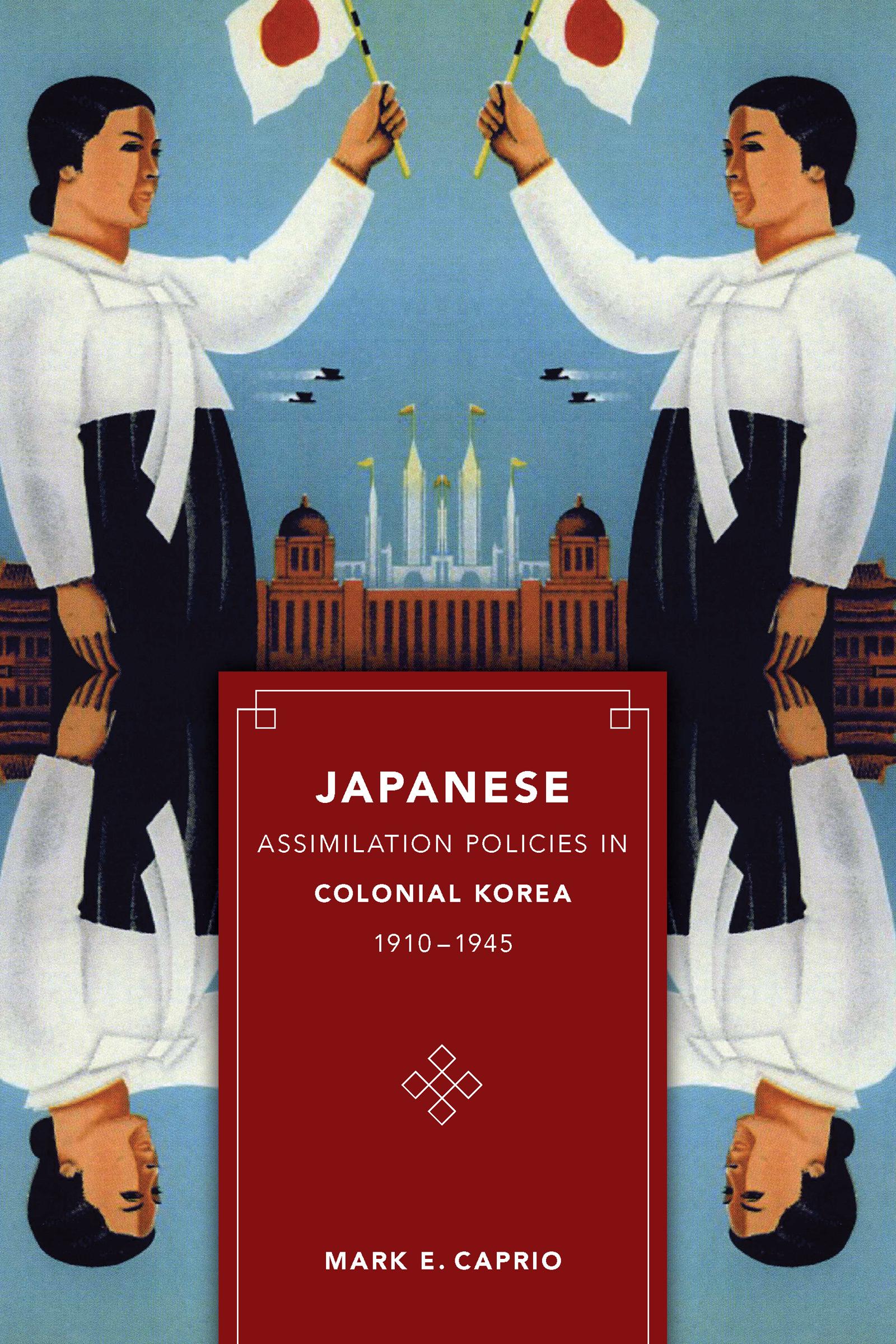
From the late nineteenth century, Japan sought to incorporate the Korean Peninsula into its expanding empire. Japan took control of Korea in 1910 and ruled it until the end of World War II. During this colonial period, Japan advertised as a national goal the assimilation of Koreans into the Japanese state. It never achieved that goal. Mark Caprio here examines why Japan's assimilation efforts failed. Utilizing government documents, personal travel accounts, diaries, newspapers, and works of fiction, he uncovers plenty of evidence for the potential for assimilation but very few practical initiatives to implement the policy.
Japan's early history of colonial rule included tactics used with peoples such as the Ainu and Ryukyuan that tended more toward obliterating those cultures than to incorporating the people as equal Japanese citizens. Following the annexation of Taiwan in 1895, Japanese policymakers turned to European imperialist models, especially those of France and England, in developing strengthening its plan for assimilation policies. But, although Japanese used rhetoric that embraced assimilation, Japanese people themselves, from the top levels of government down, considered Koreans inferior and gave them few political rights. Segregation was built into everyday life. Japanese maintained separate communities in Korea, children were schooled in two separate and unequal systems, there was relatively limited intermarriage, and prejudice was ingrained. Under these circumstances, many Koreans resisted assimilation. By not actively promoting Korean-Japanese integration on the ground, Japan's rhetoric of assimilation remained just that.
Before Memmo my notes were scattered across PDFs. Now a workspace pulls everything into one place — I see exactly what's still left to study.
Memmo's summaries are gold before exams. I don't have to re-read 800 pages two weeks before — just the important parts.
The AI chat has saved me the night before an exam more than once. I just keep asking until I get it — no waiting on a study group to reply.
The quizzes hit exactly what I need to know. Memmo tracks what I get stuck on — so I only practice what's worth it.
Flashcards with spaced repetition are magic. Memmo knows when I'm about to forget something and brings it back.
The AI podcasts are my favorite. I listen on my way to school and get a recap without sitting at a computer.

Handbok i kvalitativa metoder
281 kr

Hållbar utveckling: en introduktion för ingenjörer och andra problemlösare
334 kr

Brymans Samhällsvetenskapliga metoder
390 kr

Projektledning
491 kr

Den orättvisa hälsan: om socioekonomiska skillnader i hälsa och livslängd
326 kr

Vetenskapsteori för nybörjare
196 kr

Organizational Leadership
429 kr

På väg mot läraryrket
172 kr

Det sociala livet i skolan: Socialpsykologiska perspektiv
253 kr

Betygsättningens didaktik
151 kr

Personality
402 kr

Studying Leadership
404 kr

Managing Innovation
477 kr

Introduktion till samhällsvetenskaplig metod
347 kr

The Psychology of Sex and Gender
698 kr

Evidens och kunskap för socialt arbete
207 kr

Introduction to Leadership
605 kr