
Before Memmo my notes were scattered across PDFs. Now a workspace pulls everything into one place — I see exactly what's still left to study.
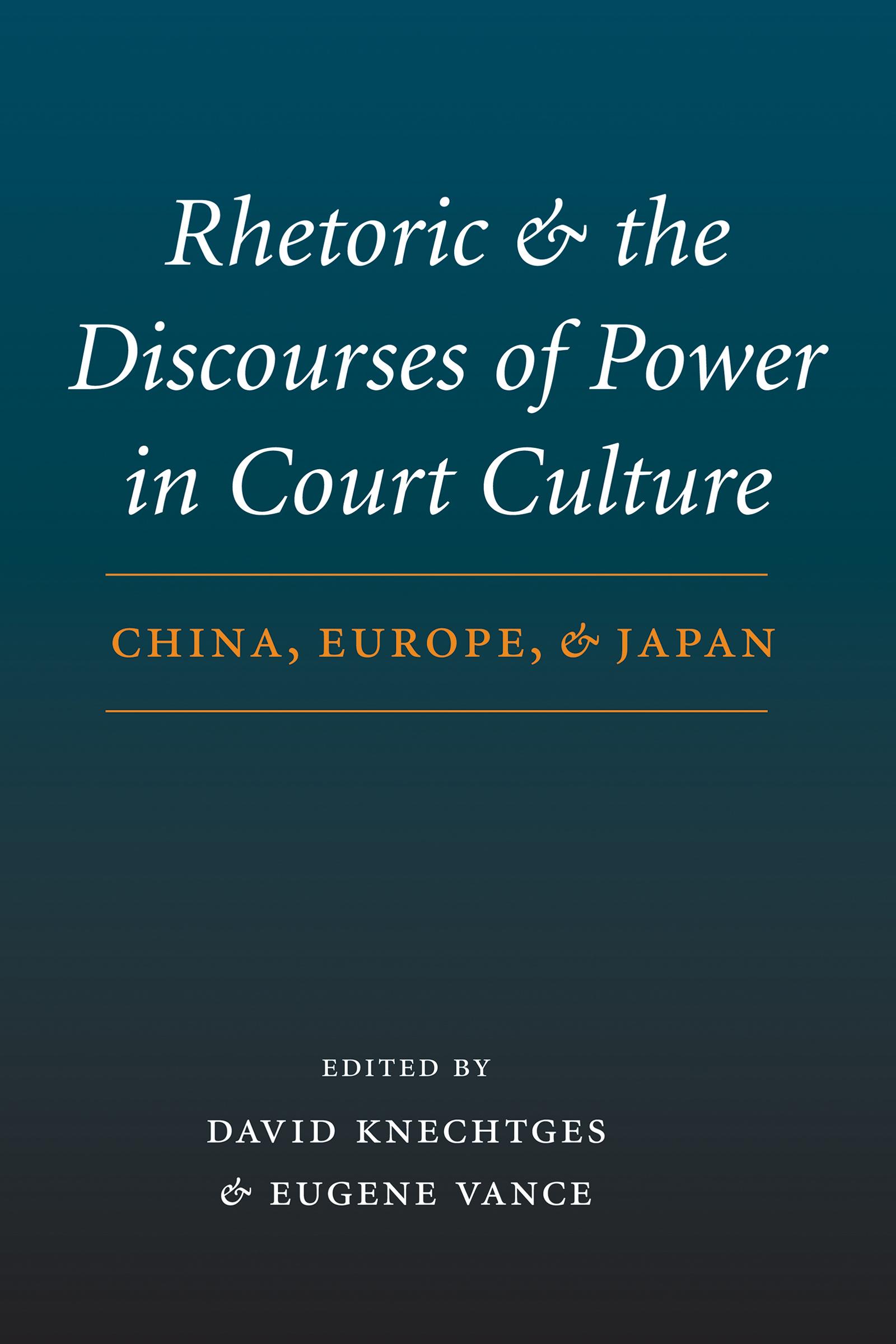
Key imperial and royal courts--in Han, Tang, and Song dynasty China; medieval and renaissance Europe; and Heian and Muromachi Japan--are examined in this comparative and interdisciplinary volume as loci of power and as entities that establish, influence, or counter the norms of a larger society. Contributions by twelve scholars are organized into sections on the rhetoric of persuasion, taste, communication, gender, and natural nobility. Writing from the perspectives of literature, history, and philosophy, the authors examine the use and purpose of rhetoric in their respective areas.
In Rhetoric of Persuasion, we see that in both the third-century court of the last Han emperor and the fourteenth-century court of Edward II, rhetoric served to justify the deposition of a ruler and the establishment of a new regime. Rhetoric of Taste examines the court’s influence on aesthetic values in China and Japan, specifically literary tastes in ninth-century China, the melding of literary and historical texts into a sort of national history in fifteenth-century Japan, and the embrace of literati painting innovations in twelfth-century China during a time when the literati themselves were out of favor. Rhetoric of Communication considers official communications to the throne in third-century China, the importance of secret communications in Charlemagne’s court, and the implications of the use of classical Chinese in the Japanese court during the eighth and ninth centuries. Rhetoric of Gender offers the biography of a former Han emperor’s favorite consort and studies the metaphorical possibilities of Tang palace plaints. Rhetoric of Natural Nobility focuses on Dante’s efforts to confirm his nobility of soul as a poet, surmounting his non-noble ancestry, and the development of the texts that supported the political ideologies of the fifteenth-century Burgundian dukes Philip the Good and Charles the Bold.
Before Memmo my notes were scattered across PDFs. Now a workspace pulls everything into one place — I see exactly what's still left to study.
Memmo's summaries are gold before exams. I don't have to re-read 800 pages two weeks before — just the important parts.
The AI chat has saved me the night before an exam more than once. I just keep asking until I get it — no waiting on a study group to reply.
The quizzes hit exactly what I need to know. Memmo tracks what I get stuck on — so I only practice what's worth it.
Flashcards with spaced repetition are magic. Memmo knows when I'm about to forget something and brings it back.
The AI podcasts are my favorite. I listen on my way to school and get a recap without sitting at a computer.

Handbok i kvalitativa metoder
281 kr

Hållbar utveckling: en introduktion för ingenjörer och andra problemlösare
334 kr

Brymans Samhällsvetenskapliga metoder
390 kr

Projektledning
491 kr

Den orättvisa hälsan: om socioekonomiska skillnader i hälsa och livslängd
326 kr

Vetenskapsteori för nybörjare
196 kr

Organizational Leadership
429 kr

På väg mot läraryrket
172 kr

Det sociala livet i skolan: Socialpsykologiska perspektiv
253 kr

Betygsättningens didaktik
151 kr

Personality
402 kr

Studying Leadership
404 kr

Managing Innovation
477 kr

Introduktion till samhällsvetenskaplig metod
347 kr

The Psychology of Sex and Gender
698 kr

Evidens och kunskap för socialt arbete
207 kr

Introduction to Leadership
605 kr