
Before Memmo my notes were scattered across PDFs. Now a workspace pulls everything into one place — I see exactly what's still left to study.
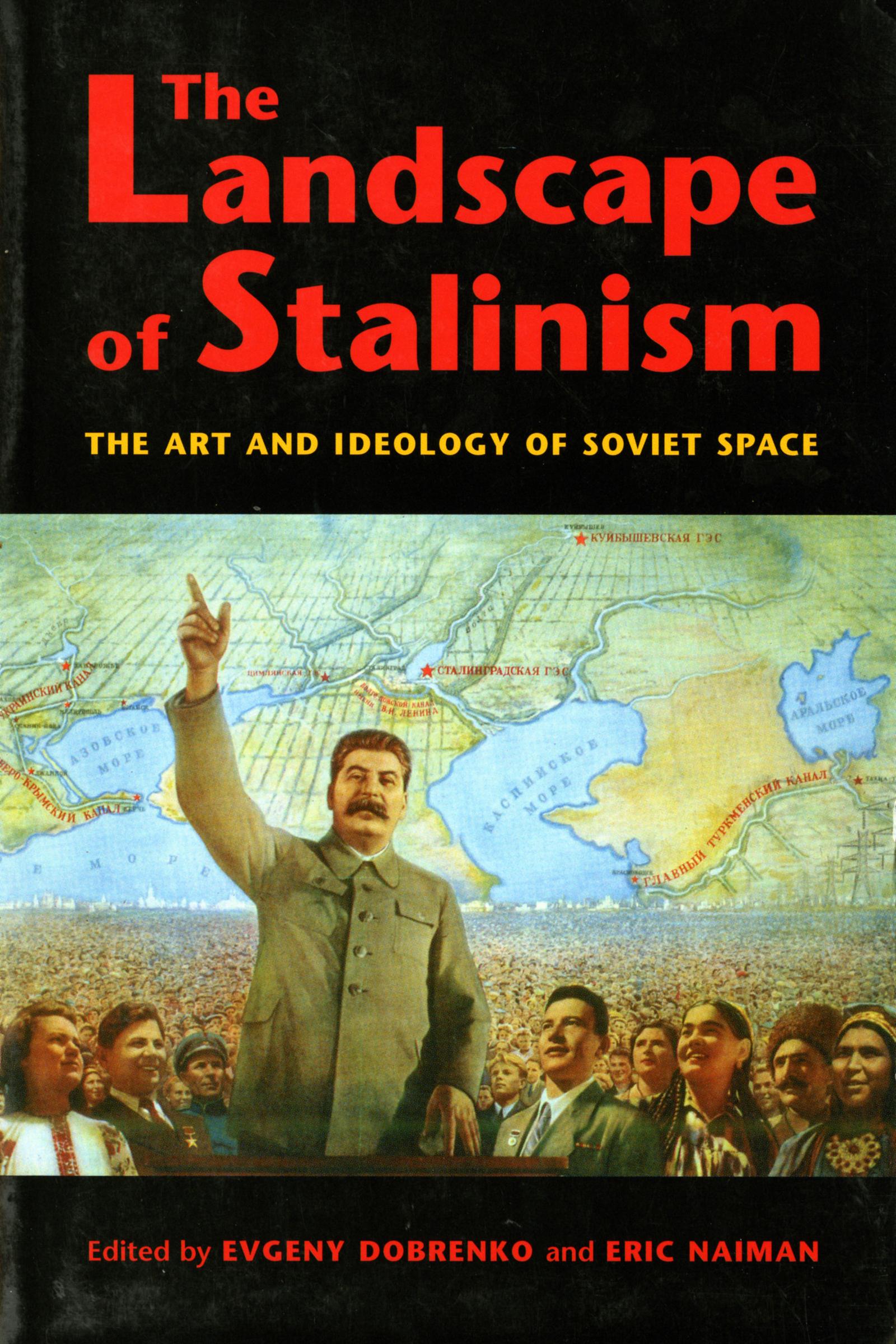
This wide-ranging cultural history explores the expression of Bolshevik Party ideology through the lens of landscape, or, more broadly, space. Portrayed in visual images and words, the landscape played a vital role in expressing and promoting ideology in the former Soviet Union during the Stalin years, especially in the 1930s. At the time, the iconoclasm of the immediate postrevolutionary years had given way to nation building and a conscious attempt to create a new Soviet “culture.” In painting, architecture, literature, cinema, and song, images of landscape were enlisted to help mold the masses into joyful, hardworking citizens of a state with a radiant, utopian future -- all under the fatherly guidance of Joseph Stalin.
From backgrounds in history, art history, literary studies, and philosophy, the contributors show how Soviet space was sanctified, coded, and “sold” as an ideological product. They explore the ways in which producers of various art forms used space to express what Katerina Clark calls “a cartography of power” -- an organization of the entire country into “a hierarchy of spheres of relative sacredness,” with Moscow at the center. The theme of center versus periphery figures prominently in many of the essays, and the periphery is shown often to be paradoxically central.
Examining representations of space in objects as diverse as postage stamps, a hikers’ magazine, advertisements, and the Soviet musical, the authors show how cultural producers attempted to naturalize ideological space, to make it an unquestioned part of the worldview. Whether focusing on the new or the centuries-old, whether exploring a built cityscape, a film documentary, or the painting Stalin and Voroshilov in the Kremlin, the authors offer a consistently fascinating journey through the landscape of the Soviet ideological imagination.
Not all features of Soviet space were entirely novel, and several of the essayists assert continuities with the prerevolutionary past. One example is the importance of the mother image in mass songs of the Stalin period; another is the "boundless longing" inspired in the Russian character by the burden of living amid vast empty spaces. But whether focusing on the new or the centuries-old, whether exploring a built cityscape, a film documentary, or the painting Stalin and Voroshilov in the Kremlin, the authors offer a consistently fascinating journey through the landscape of the Soviet ideological imagination.
Before Memmo my notes were scattered across PDFs. Now a workspace pulls everything into one place — I see exactly what's still left to study.
Memmo's summaries are gold before exams. I don't have to re-read 800 pages two weeks before — just the important parts.
The AI chat has saved me the night before an exam more than once. I just keep asking until I get it — no waiting on a study group to reply.
The quizzes hit exactly what I need to know. Memmo tracks what I get stuck on — so I only practice what's worth it.
Flashcards with spaced repetition are magic. Memmo knows when I'm about to forget something and brings it back.
The AI podcasts are my favorite. I listen on my way to school and get a recap without sitting at a computer.

Handbok i kvalitativa metoder
281 kr

Hållbar utveckling: en introduktion för ingenjörer och andra problemlösare
334 kr

Brymans Samhällsvetenskapliga metoder
390 kr

Projektledning
491 kr

Den orättvisa hälsan: om socioekonomiska skillnader i hälsa och livslängd
326 kr

Vetenskapsteori för nybörjare
196 kr

Organizational Leadership
429 kr

På väg mot läraryrket
172 kr

Det sociala livet i skolan: Socialpsykologiska perspektiv
253 kr

Betygsättningens didaktik
151 kr

Personality
402 kr

Studying Leadership
404 kr

Managing Innovation
477 kr

Introduktion till samhällsvetenskaplig metod
347 kr

The Psychology of Sex and Gender
698 kr

Evidens och kunskap för socialt arbete
207 kr

Introduction to Leadership
605 kr