
Before Memmo my notes were scattered across PDFs. Now a workspace pulls everything into one place — I see exactly what's still left to study.
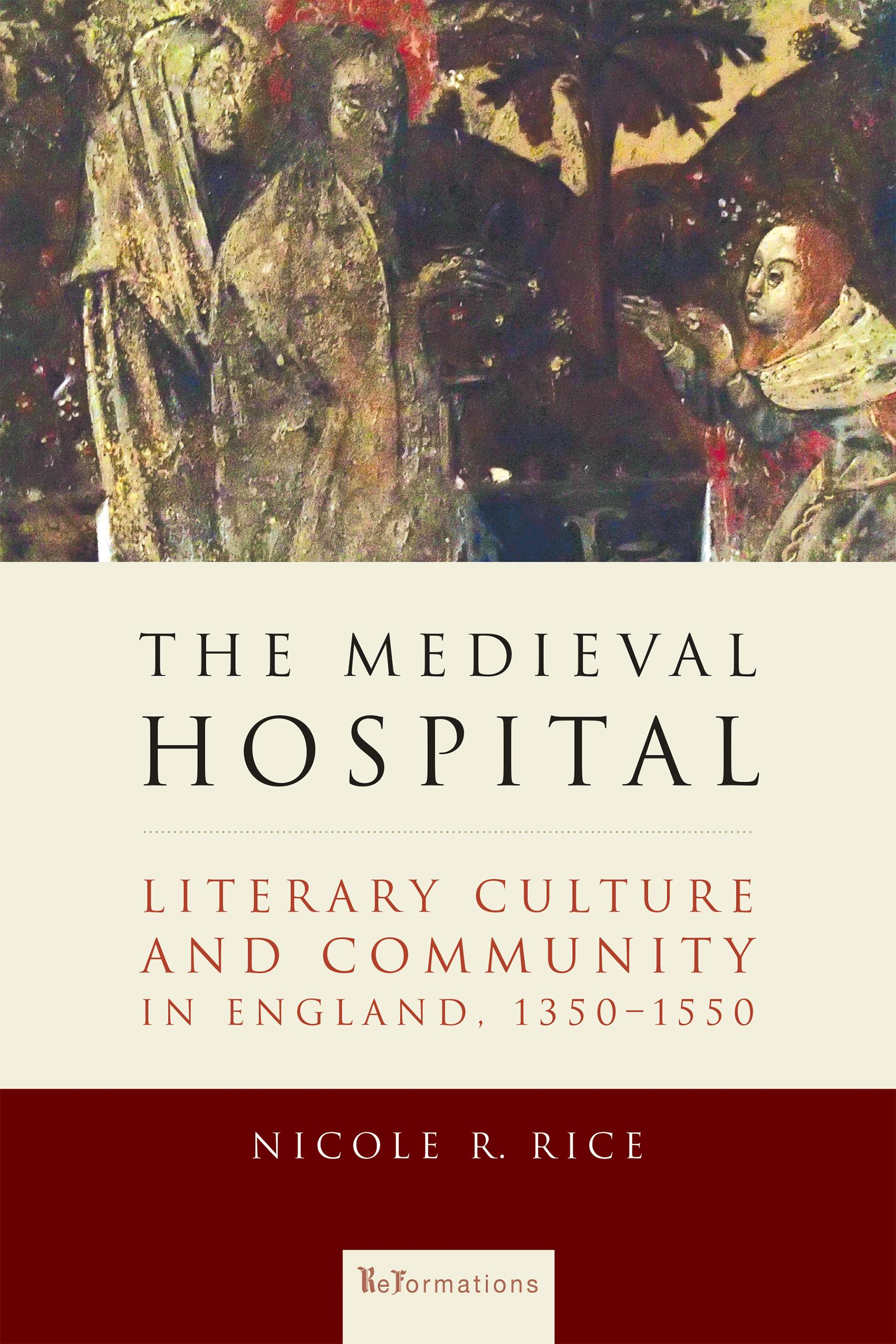
Nicole Rice’s original study analyzes the role played by late medieval English hospitals as sites of literary production and cultural contestation.
The hospitals of late medieval England defy easy categorization. They were institutions of charity, medical care, and liturgical commemoration. At the same time, hospitals were cultural spaces sponsoring the performance of drama, the composition of medical texts, and the reading of devotional prose and vernacular poetry. Such practices both reflected and connected the disparate groups—regular religious, ill and poor people, well-off retirees—that congregated in hospitals. Nicole Rice’s The Medieval Hospital offers the first book-length study of the place of hospitals in English literary history and cultural practice.
Rice highlights three English hospitals as porous sites whose practices translated into textual engagements with some of urban society’s most pressing concerns: charity, health, devotion, and commerce. Within these institutions, medical compendia treated the alarming bodies of women and religious anthologies translated Augustinian devotional practices for lay readers. Looking outward, religious drama and socially charged poetry publicized and interrogated hospitals’ caring functions within urban charitable economies. Hospitals provided the auspices, audiences, and authors of such disparate literary works, propelling these texts into urban social life. Between ca. 1350 and ca. 1550, English hospitals saw massive changes in their fortunes, from the devastation of the Black Death, to various fifteenth-century reform initiatives, to the creeping dissolutions of religious houses under Henry VIII and Edward VI. This volume investigates how hospitals defined and defended themselves with texts and in some cases reinvented themselves, using literary means to negotiate changed religious landscapes.
Before Memmo my notes were scattered across PDFs. Now a workspace pulls everything into one place — I see exactly what's still left to study.
Memmo's summaries are gold before exams. I don't have to re-read 800 pages two weeks before — just the important parts.
The AI chat has saved me the night before an exam more than once. I just keep asking until I get it — no waiting on a study group to reply.
The quizzes hit exactly what I need to know. Memmo tracks what I get stuck on — so I only practice what's worth it.
Flashcards with spaced repetition are magic. Memmo knows when I'm about to forget something and brings it back.
The AI podcasts are my favorite. I listen on my way to school and get a recap without sitting at a computer.

Handbok i kvalitativa metoder
281 kr

Hållbar utveckling: en introduktion för ingenjörer och andra problemlösare
334 kr

Brymans Samhällsvetenskapliga metoder
390 kr

Projektledning
491 kr

Den orättvisa hälsan: om socioekonomiska skillnader i hälsa och livslängd
326 kr

Vetenskapsteori för nybörjare
196 kr

Organizational Leadership
429 kr

På väg mot läraryrket
172 kr

Det sociala livet i skolan: Socialpsykologiska perspektiv
253 kr

Betygsättningens didaktik
151 kr

Personality
402 kr

Studying Leadership
404 kr

Managing Innovation
477 kr

Introduktion till samhällsvetenskaplig metod
347 kr

The Psychology of Sex and Gender
698 kr

Evidens och kunskap för socialt arbete
207 kr

Introduction to Leadership
605 kr