
Before Memmo my notes were scattered across PDFs. Now a workspace pulls everything into one place — I see exactly what's still left to study.
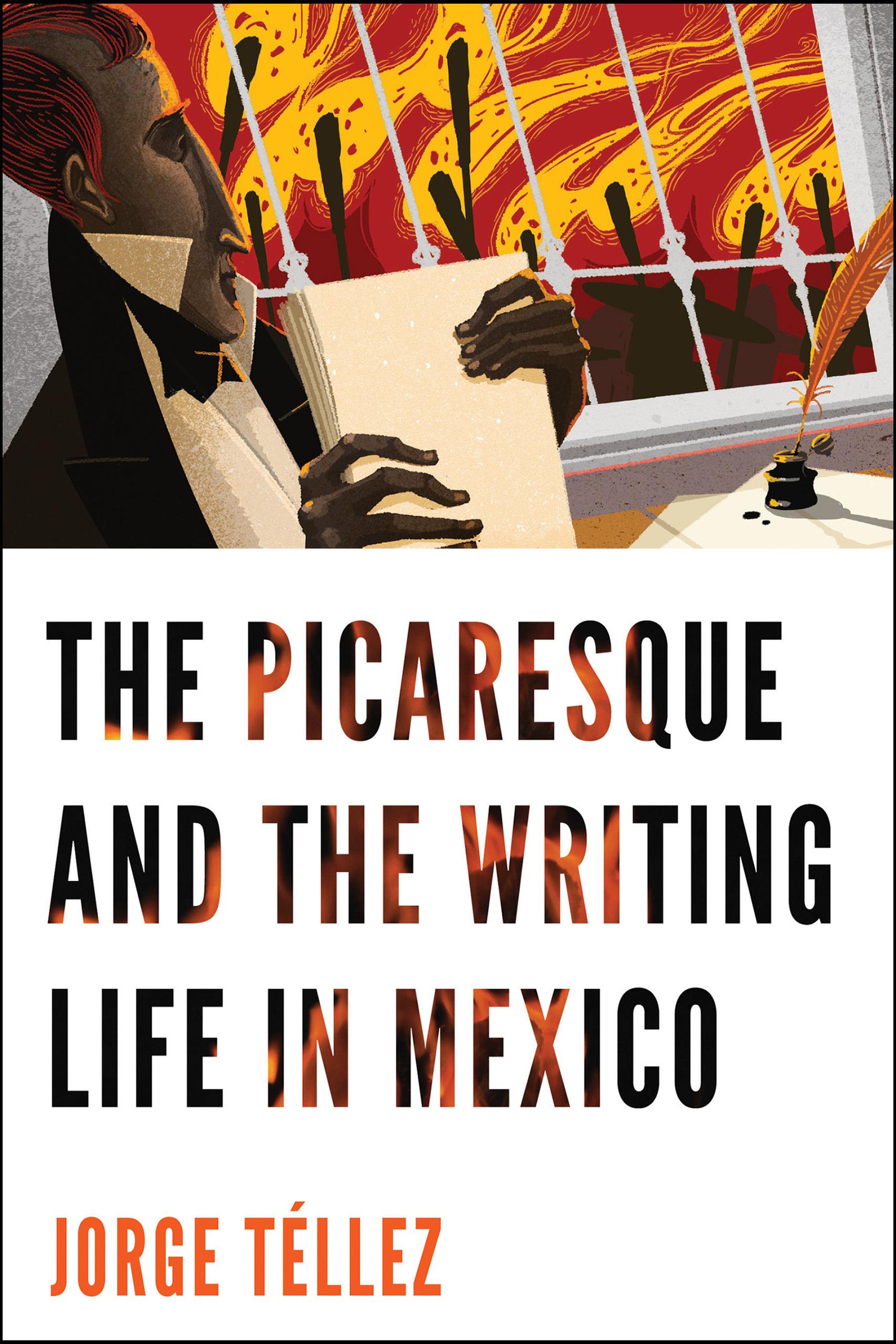
This book studies picaresque narratives from 1690 to 2013, examining how this literary form serves as a reflection on the material conditions necessary for writing literature in Mexico.
In The Picaresque and the Writing Life in Mexico, Jorge Téllez argues that Mexican writers have drawn on the picaresque as a device for pondering what they regard as the perils of intellectual and creative labor. Surveying ten narratives from 1690 to 2013, Téllez shows how, by and large, all of them are iterations of the same basic structure: pícaro meets writer; pícaro tells life story; writer eagerly writes it down. This written mediation (sometimes fictional but other times completely factual) is presented as part of a transaction in which it is rarely clear who is exploiting whom. Highlighting this ambiguity, Téllez’s study brings into focus the role that the picaresque has played in the presentation of writers as disenfranchised and vulnerable subjects. But as Téllez demonstrates, these narratives embody a discourse of precarity that goes beyond pícaros, and applies to all subjects who engage in the production and circulation of literature. In this way, Téllez shows that the literary form of the picaresque is, above all, a reflection on the value of literature, as well as on the place and role of writing in Mexican society more broadly.
The Picaresque and the Writing Life in Mexico is a unique work that suggests new paths for studying the reiteration of literary forms across centuries. Looking at the picaresque in particular, Téllez offers a new interpretation of this genre within its national context and suggests ways in which this genre remains relevant for reflecting on literature in contemporary society. It will be of interest to students and scholars of Latin American studies, Mexican cultures and literatures, and comparative literature.
Before Memmo my notes were scattered across PDFs. Now a workspace pulls everything into one place — I see exactly what's still left to study.
Memmo's summaries are gold before exams. I don't have to re-read 800 pages two weeks before — just the important parts.
The AI chat has saved me the night before an exam more than once. I just keep asking until I get it — no waiting on a study group to reply.
The quizzes hit exactly what I need to know. Memmo tracks what I get stuck on — so I only practice what's worth it.
Flashcards with spaced repetition are magic. Memmo knows when I'm about to forget something and brings it back.
The AI podcasts are my favorite. I listen on my way to school and get a recap without sitting at a computer.

Handbok i kvalitativa metoder
281 kr

Hållbar utveckling: en introduktion för ingenjörer och andra problemlösare
334 kr

Brymans Samhällsvetenskapliga metoder
390 kr

Projektledning
491 kr

Den orättvisa hälsan: om socioekonomiska skillnader i hälsa och livslängd
326 kr

Vetenskapsteori för nybörjare
196 kr

Organizational Leadership
429 kr

På väg mot läraryrket
172 kr

Det sociala livet i skolan: Socialpsykologiska perspektiv
253 kr

Betygsättningens didaktik
151 kr

Personality
402 kr

Studying Leadership
404 kr

Managing Innovation
477 kr

Introduktion till samhällsvetenskaplig metod
347 kr

The Psychology of Sex and Gender
698 kr

Evidens och kunskap för socialt arbete
207 kr

Introduction to Leadership
605 kr