
Before Memmo my notes were scattered across PDFs. Now a workspace pulls everything into one place — I see exactly what's still left to study.
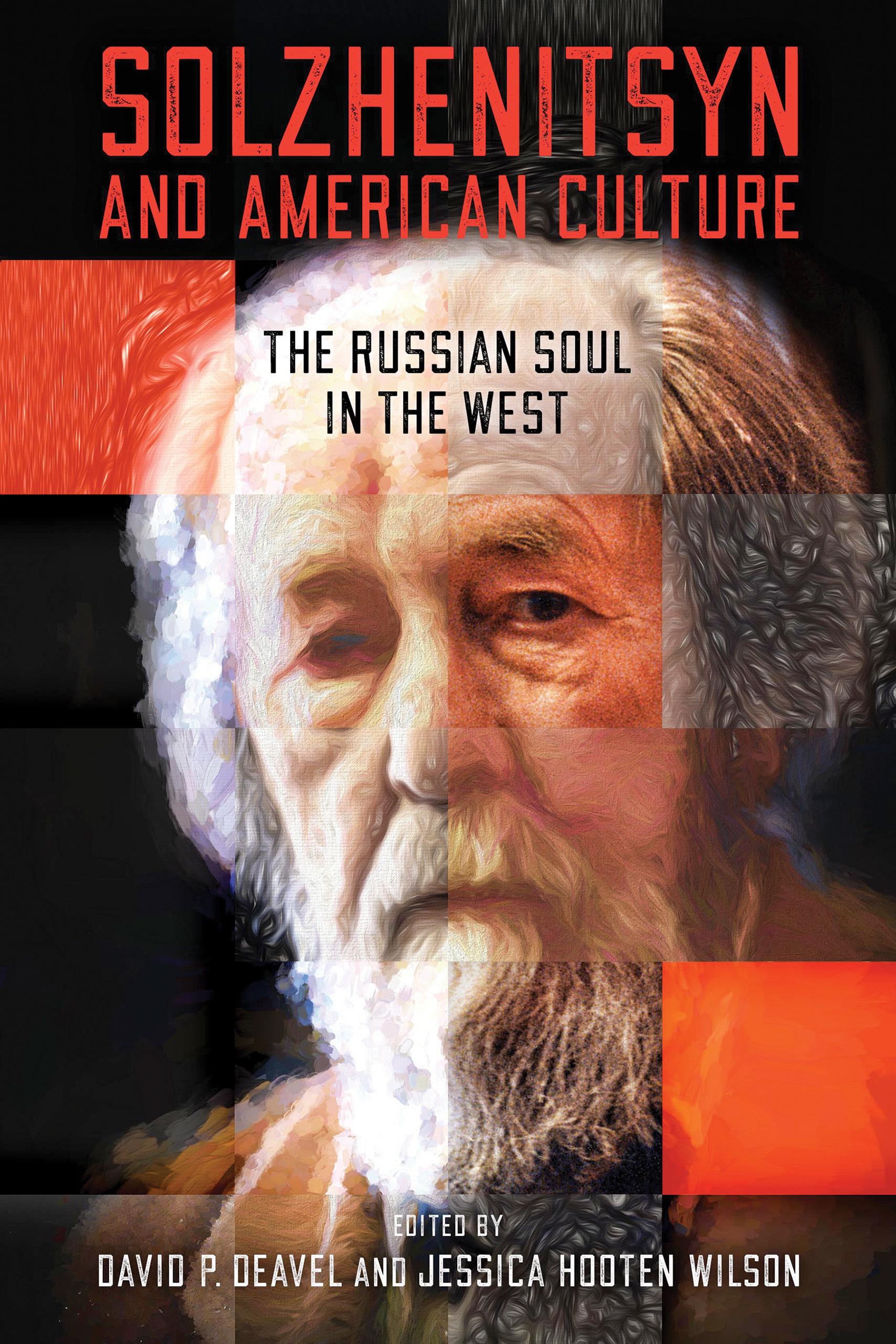
These essays will interest readers familiar with the work of Nobel Prize–winner Aleksandr Solzhenitsyn and are a great starting point for those eager for an introduction to the great Russian’s work.
When people think of Russia today, they tend to gravitate toward images of Soviet domination or, more recently, Vladimir Putin’s war against Ukraine. The reality, however, is that, despite Russia’s political failures, its rich history of culture, religion, and philosophical reflection—even during the darkest days of the Gulag—have been a deposit of wisdom for American artists, religious thinkers, and political philosophers probing what it means to be human in America. Aleksandr Solzhenitsyn stands out as the key figure in this conversation, as both a Russian literary giant and an exile from Russia living in America for two decades. This anthology reconsiders Solzhenitsyn’s work from a variety of perspectives—his faith, his politics, and the influences and context of his literature—to provide a prophetic vision for our current national confusion over universal ideals.
In Solzhenitsyn and American Culture: The Russian Soul in the West, David P. Deavel and Jessica Hooten Wilson have collected essays from the foremost scholars and thinkers of comparative studies who have been tracking what Americans have borrowed and learned from Solzhenitsyn and his fellow Russians. The book offers a consideration of what we have in common—the truth, goodness, and beauty America has drawn from Russian culture and from masters such as Solzhenitsyn—and will suggest to readers what we can still learn and what we must preserve. The last section expands the book's theme and reach by examining the impact of other notable Russian authors, including Pushkin, Dostoevsky, and Gogol.
Contributors: David P. Deavel, Jessica Hooten Wilson, Nathan Nielson, Eugene Vodolazkin, David Walsh, Matthew Lee Miller, Ralph C. Wood, Gary Saul Morson, Edward E. Ericson, Jr., Micah Mattix, Joseph Pearce, James F. Pontuso, Daniel J. Mahoney, William Jason Wallace, Lee Trepanier, Peter Leithart, Dale Peterson, Julianna Leachman, Walter G. Moss, and Jacob Howland.
Before Memmo my notes were scattered across PDFs. Now a workspace pulls everything into one place — I see exactly what's still left to study.
Memmo's summaries are gold before exams. I don't have to re-read 800 pages two weeks before — just the important parts.
The AI chat has saved me the night before an exam more than once. I just keep asking until I get it — no waiting on a study group to reply.
The quizzes hit exactly what I need to know. Memmo tracks what I get stuck on — so I only practice what's worth it.
Flashcards with spaced repetition are magic. Memmo knows when I'm about to forget something and brings it back.
The AI podcasts are my favorite. I listen on my way to school and get a recap without sitting at a computer.

Handbok i kvalitativa metoder
281 kr

Hållbar utveckling: en introduktion för ingenjörer och andra problemlösare
334 kr

Brymans Samhällsvetenskapliga metoder
390 kr

Projektledning
491 kr

Den orättvisa hälsan: om socioekonomiska skillnader i hälsa och livslängd
326 kr

Vetenskapsteori för nybörjare
196 kr

Organizational Leadership
429 kr

På väg mot läraryrket
172 kr

Det sociala livet i skolan: Socialpsykologiska perspektiv
253 kr

Betygsättningens didaktik
151 kr

Personality
402 kr

Studying Leadership
404 kr

Managing Innovation
477 kr

Introduktion till samhällsvetenskaplig metod
347 kr

The Psychology of Sex and Gender
698 kr

Evidens och kunskap för socialt arbete
207 kr

Introduction to Leadership
605 kr