
Before Memmo my notes were scattered across PDFs. Now a workspace pulls everything into one place — I see exactly what's still left to study.
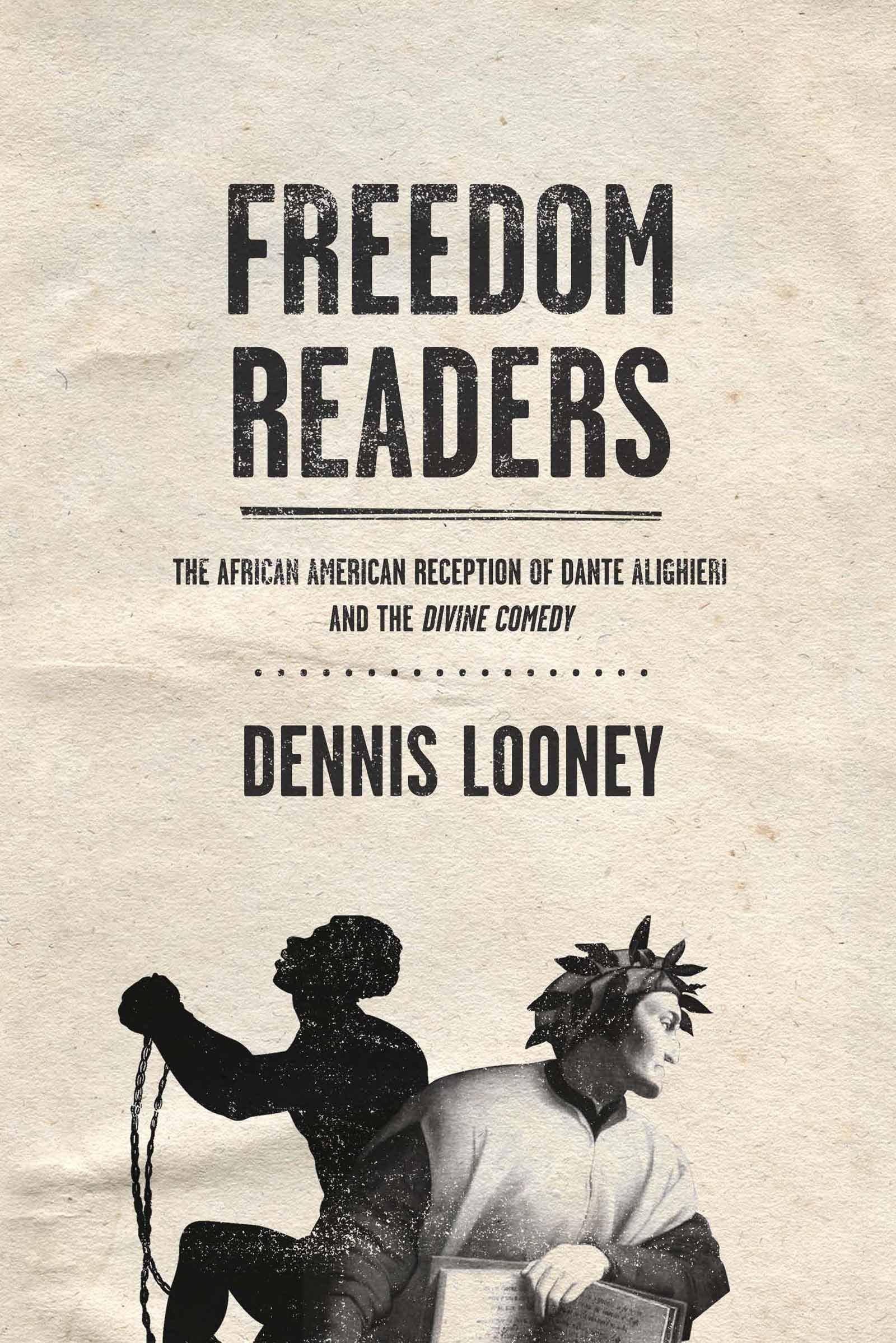
Freedom Readers: The African American Reception of Dante Alighieri and the Divine Comedy is a literary-historical study of the many surprising ways in which Dante Alighieri and the Divine Comedy have assumed a position of importance in African American culture. Dennis Looney examines how African American authors have read, interpreted, and responded to Dante and his work from the late 1820s to the present.
In many ways, the African American reception of Dante follows a recognizable narrative of reception: the Romantic rehabilitation of the author; the late-nineteenth-century glorification of Dante as a radical writer of reform; the twentieth-century modernist rewriting; and the adaptation of the Divine Comedy into the prose of the contemporary novel. But surely it is unique to African American rewritings of Dante to suggest that the Divine Comedy is itself a kind of slave narrative. Only African American “translations” of Dante use the medieval author to comment on segregation, migration, and integration. While many authors over the centuries have learned to articulate a new kind of poetry from Dante’s example, for African American authors attuned to the complexities of Dante’s hybrid vernacular, his poetic language becomes a model for creative expression that juxtaposes and blends classical notes and the vernacular counterpoint in striking ways. Looney demonstrates this appropriation of Dante as a locus for black agency in the creative work of such authors as William Wells Brown, the poet H. Cordelia Ray, Richard Wright, Ralph Ellison, Amiri Baraka, Gloria Naylor, Toni Morrison, and the filmmaker Spencer Williams.
Looney fruitfully suggests that we read Dante’s Divine Comedy with its African American rewritings in mind, to assess their effect on our interpretation of the Comedy and, in turn, on our understanding of African American culture.
Before Memmo my notes were scattered across PDFs. Now a workspace pulls everything into one place — I see exactly what's still left to study.
Memmo's summaries are gold before exams. I don't have to re-read 800 pages two weeks before — just the important parts.
The AI chat has saved me the night before an exam more than once. I just keep asking until I get it — no waiting on a study group to reply.
The quizzes hit exactly what I need to know. Memmo tracks what I get stuck on — so I only practice what's worth it.
Flashcards with spaced repetition are magic. Memmo knows when I'm about to forget something and brings it back.
The AI podcasts are my favorite. I listen on my way to school and get a recap without sitting at a computer.

Handbok i kvalitativa metoder
281 kr

Hållbar utveckling: en introduktion för ingenjörer och andra problemlösare
334 kr

Brymans Samhällsvetenskapliga metoder
390 kr

Projektledning
491 kr

Den orättvisa hälsan: om socioekonomiska skillnader i hälsa och livslängd
326 kr

Organizational Leadership
429 kr

Vetenskapsteori för nybörjare
196 kr

På väg mot läraryrket
172 kr

Det sociala livet i skolan: Socialpsykologiska perspektiv
253 kr

Betygsättningens didaktik
151 kr

Personality
402 kr

Studying Leadership
404 kr

Managing Innovation
477 kr

Introduktion till samhällsvetenskaplig metod
347 kr

The Psychology of Sex and Gender
698 kr

Evidens och kunskap för socialt arbete
207 kr

Introduction to Leadership
605 kr