
Before Memmo my notes were scattered across PDFs. Now a workspace pulls everything into one place — I see exactly what's still left to study.
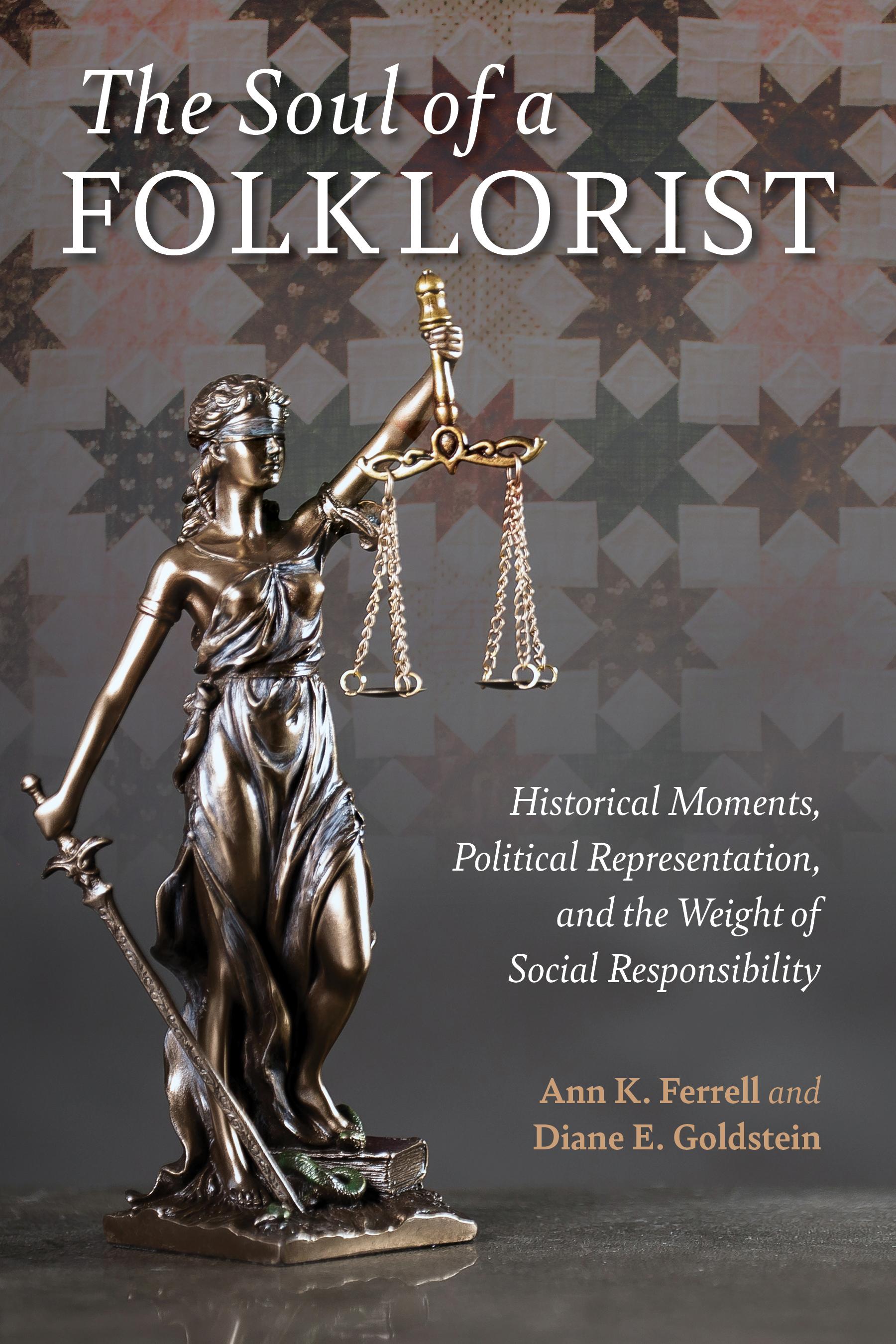
In the 1960s, '70s, and '80s, the US saw a growing awareness of representational politics following the civil rights, women's, gay and lesbian, antiwar, and environmental justice movements, and, like most fields, folklore became increasingly cognizant of these cultural and political shifts. The Soul of a Folklorist chronicles the growing pains folklorists felt as the field engaged in these new and different ways of thinking about expressive culture, inequality, and political representation.
Grounded in primary sources including archival documents and interviews with members of the field, authors Ann K. Ferrell and Diane E. Goldstein examine the discussions that arose during this period among folklore scholars. Some folklorists explored progressive social change initiatives as part of their professional work, while others questioned the scholarly appropriateness of applied or political engagement, at times challenging this professional engagement in contemporary political issues. In a series of case studies from the 1970s and '80s, Ferrell and Goldstein explore how folklorists navigated questions about inequities that existed within the field and the potential adverse effects of those inequities on what and whom they studied, the push and pull of scholarly and public folklore work, the location of the line between research and advocacy as well as the wisdom of crossing that line, and the nature of our responsibility, as individual folklorists and as a field, to those we study and the communities in which we live and work.
The Soul of a Folklorist examines how, as folklorists moved toward a perspective that increasingly explored the responsibility of presentation and representation of gender, race, class, and other areas of inequities, the discipline gradually came to understand both the power of its own subject and structures of subordination within the field.
Before Memmo my notes were scattered across PDFs. Now a workspace pulls everything into one place — I see exactly what's still left to study.
Memmo's summaries are gold before exams. I don't have to re-read 800 pages two weeks before — just the important parts.
The AI chat has saved me the night before an exam more than once. I just keep asking until I get it — no waiting on a study group to reply.
The quizzes hit exactly what I need to know. Memmo tracks what I get stuck on — so I only practice what's worth it.
Flashcards with spaced repetition are magic. Memmo knows when I'm about to forget something and brings it back.
The AI podcasts are my favorite. I listen on my way to school and get a recap without sitting at a computer.

Handbok i kvalitativa metoder
281 kr

Hållbar utveckling: en introduktion för ingenjörer och andra problemlösare
334 kr

Brymans Samhällsvetenskapliga metoder
390 kr

Projektledning
491 kr

Den orättvisa hälsan: om socioekonomiska skillnader i hälsa och livslängd
326 kr

Vetenskapsteori för nybörjare
196 kr

Organizational Leadership
429 kr

På väg mot läraryrket
172 kr

Det sociala livet i skolan: Socialpsykologiska perspektiv
253 kr

Betygsättningens didaktik
151 kr

Personality
402 kr

Studying Leadership
404 kr

Managing Innovation
477 kr

Introduktion till samhällsvetenskaplig metod
347 kr

The Psychology of Sex and Gender
698 kr

Evidens och kunskap för socialt arbete
207 kr

Introduction to Leadership
605 kr