
Before Memmo my notes were scattered across PDFs. Now a workspace pulls everything into one place — I see exactly what's still left to study.
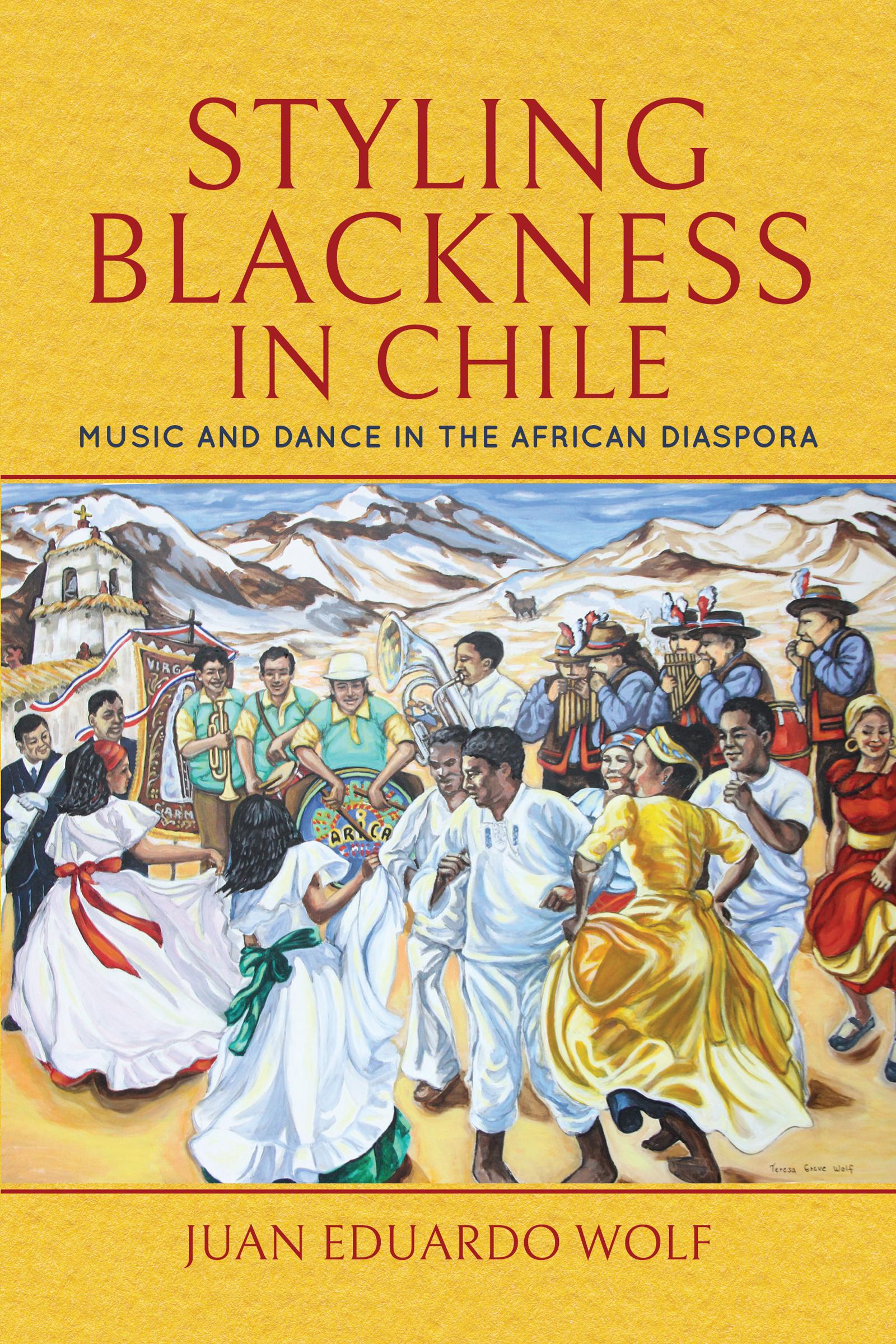
Chile had long forgotten about the existence of the country's Black population when, in 2003, the music and dance called the tumbe carnaval appeared on the streets of the city of Arica. Featuring turbaned dancers accompanied by a lively rhythm played on hide-head drums, the tumbe resonated with cosmopolitan images of what the African Diaspora looks like, and so helped bring attention to a community seeking legal recognition from the Chilean government which denied its existence.
Tumbe carnaval, however, was not the only type of music and dance that Afro-Chileans have participated in and identified with over the years. In Styling Blackness in Chile, Juan Eduardo Wolf explores the multiple ways that Black individuals in Arica have performed music and dance to frame their Blackness in relationship to other groups of performers—a process he calls styling. Combining ethnography and semiotic analysis, Wolf illustrates how styling Blackness as Criollo, Moreno, and Indígena through genres like the baile de tierra, morenos de paso, and caporales simultaneously offered individuals alternative ways of identifying and contributed to the invisibility of Afro-descendants in Chilean society. While the styling of the tumbe as Afro-descendant helped make Chile's Black community visible once again, Wolf also notes that its success raises issues of representation as more people begin to perform the genre in ways that resonate less with local cultural memory and Afro-Chilean activists' goals. At a moment when Chile's government continues to discuss whether to recognize the Afro-Chilean population and Chilean society struggles to come to terms with an increase in Latin American Afro-descendant immigrants, Wolf's book raises awareness of Blackness in Chile and the variety of Black music-dance throughout the African Diaspora, while also providing tools that ethnomusicologists and other scholars of expressive culture can use to study the role of music-dance in other cultural contexts.
Before Memmo my notes were scattered across PDFs. Now a workspace pulls everything into one place — I see exactly what's still left to study.
Memmo's summaries are gold before exams. I don't have to re-read 800 pages two weeks before — just the important parts.
The AI chat has saved me the night before an exam more than once. I just keep asking until I get it — no waiting on a study group to reply.
The quizzes hit exactly what I need to know. Memmo tracks what I get stuck on — so I only practice what's worth it.
Flashcards with spaced repetition are magic. Memmo knows when I'm about to forget something and brings it back.
The AI podcasts are my favorite. I listen on my way to school and get a recap without sitting at a computer.

Handbok i kvalitativa metoder
281 kr

Hållbar utveckling: en introduktion för ingenjörer och andra problemlösare
334 kr

Brymans Samhällsvetenskapliga metoder
390 kr

Projektledning
491 kr

Den orättvisa hälsan: om socioekonomiska skillnader i hälsa och livslängd
326 kr

Organizational Leadership
429 kr

Vetenskapsteori för nybörjare
196 kr

På väg mot läraryrket
172 kr

Det sociala livet i skolan: Socialpsykologiska perspektiv
253 kr

Betygsättningens didaktik
151 kr

Personality
402 kr

Studying Leadership
404 kr

Managing Innovation
477 kr

Introduktion till samhällsvetenskaplig metod
347 kr

The Psychology of Sex and Gender
698 kr

Evidens och kunskap för socialt arbete
207 kr

Introduction to Leadership
605 kr