
Before Memmo my notes were scattered across PDFs. Now a workspace pulls everything into one place — I see exactly what's still left to study.
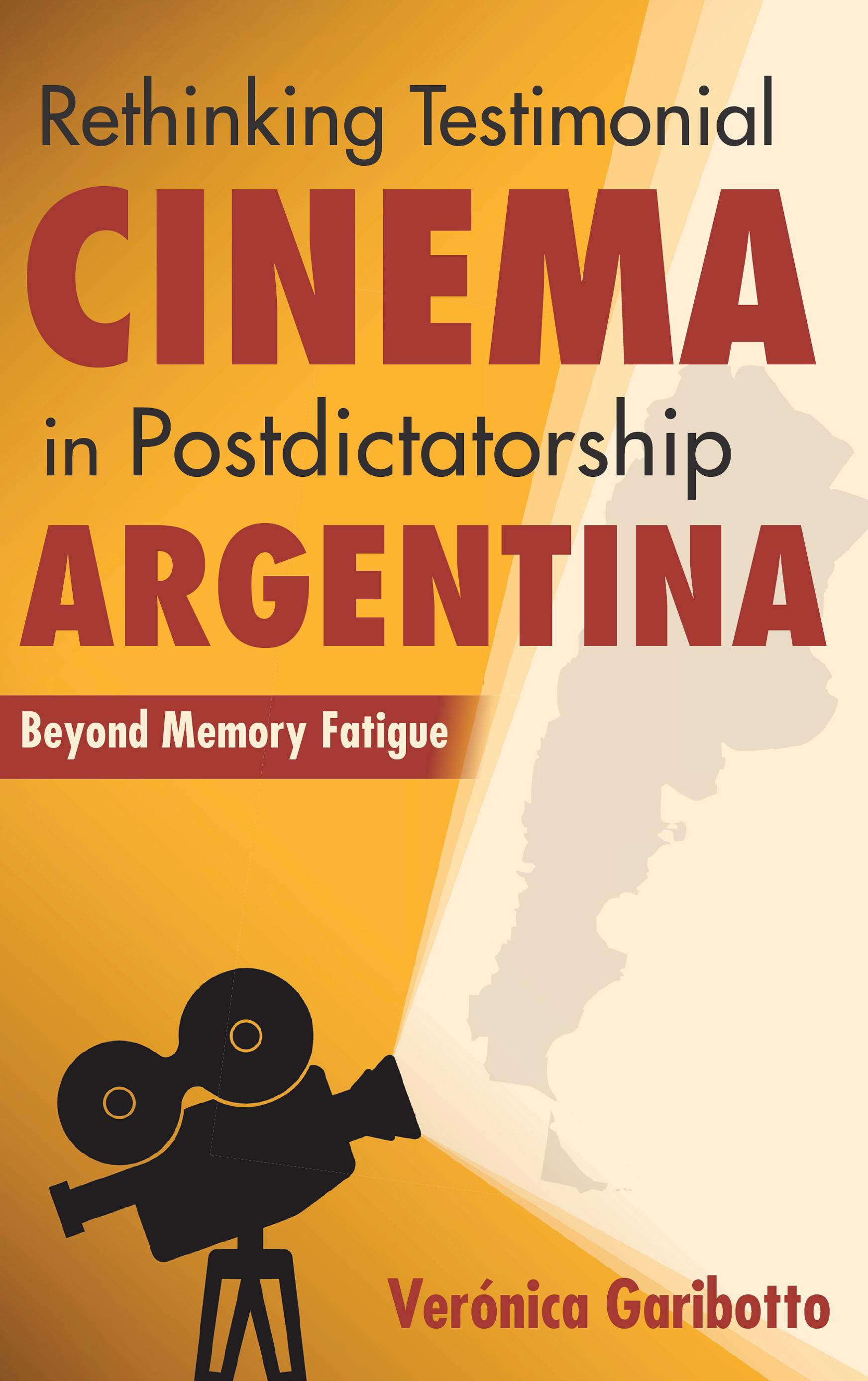
For roughly two decades after the collapse of the military regime in 1983, testimonial narrative was viewed and received as a privileged genre in Argentina. Today, however, academics and public intellectuals are experiencing "memory fatigue," a backlash against the concepts of memory and trauma, just as memory and testimonial films have reached the center of Argentinian public discourse. In Rethinking Testimonial Cinema in Postdictatorship Argentina, Verónica Garibotto looks at the causes for this reticence and argues that, rather than discarding memory texts for their repetitive excess, it is necessary to acknowledge them and their exhaustion as discourses of the present.
By critically examining how trauma theory and subaltern studies have previously been applied to testimonial cinema, Garibotto rereads Argentinian films produced since 1983 and calls for an alternate interpretive framework at the intersection of semiotics, theories of affect, scholarship on hegemony, and the ideological uses of documentary and fiction. She argues that recurrent concepts—such as trauma, mourning, memory, and subalternity—miss how testimonial films have changed over time, shifting from subaltern narratives to official, hegemonic, and iconic accounts. Her work highlights the urgent need to continue to study these types of narratives, particularly at a time when military dictatorships have become entrenched in Latin America and memory narratives proliferate worldwide. Although Argentina is Garibotto's focus, her theory can be adapted to other contexts in which narratives about recent political conflicts have shifted from alternative versions of history to official, hegemonic accounts—such as in Spanish, Chilean, Uruguayan, Brazilian, South African, and Holocaust testimonies. Garibotto's study of testimonial cinema moves us to pursue a broader ideological analysis of the links between film and historical representation.
Before Memmo my notes were scattered across PDFs. Now a workspace pulls everything into one place — I see exactly what's still left to study.
Memmo's summaries are gold before exams. I don't have to re-read 800 pages two weeks before — just the important parts.
The AI chat has saved me the night before an exam more than once. I just keep asking until I get it — no waiting on a study group to reply.
The quizzes hit exactly what I need to know. Memmo tracks what I get stuck on — so I only practice what's worth it.
Flashcards with spaced repetition are magic. Memmo knows when I'm about to forget something and brings it back.
The AI podcasts are my favorite. I listen on my way to school and get a recap without sitting at a computer.

Handbok i kvalitativa metoder
281 kr

Hållbar utveckling: en introduktion för ingenjörer och andra problemlösare
334 kr

Brymans Samhällsvetenskapliga metoder
390 kr

Projektledning
491 kr

Den orättvisa hälsan: om socioekonomiska skillnader i hälsa och livslängd
326 kr

Organizational Leadership
429 kr

Vetenskapsteori för nybörjare
196 kr

På väg mot läraryrket
172 kr

Det sociala livet i skolan: Socialpsykologiska perspektiv
253 kr

Betygsättningens didaktik
151 kr

Personality
402 kr

Studying Leadership
404 kr

Managing Innovation
477 kr

Introduktion till samhällsvetenskaplig metod
347 kr

The Psychology of Sex and Gender
698 kr

Evidens och kunskap för socialt arbete
207 kr

Introduction to Leadership
605 kr