
Before Memmo my notes were scattered across PDFs. Now a workspace pulls everything into one place — I see exactly what's still left to study.
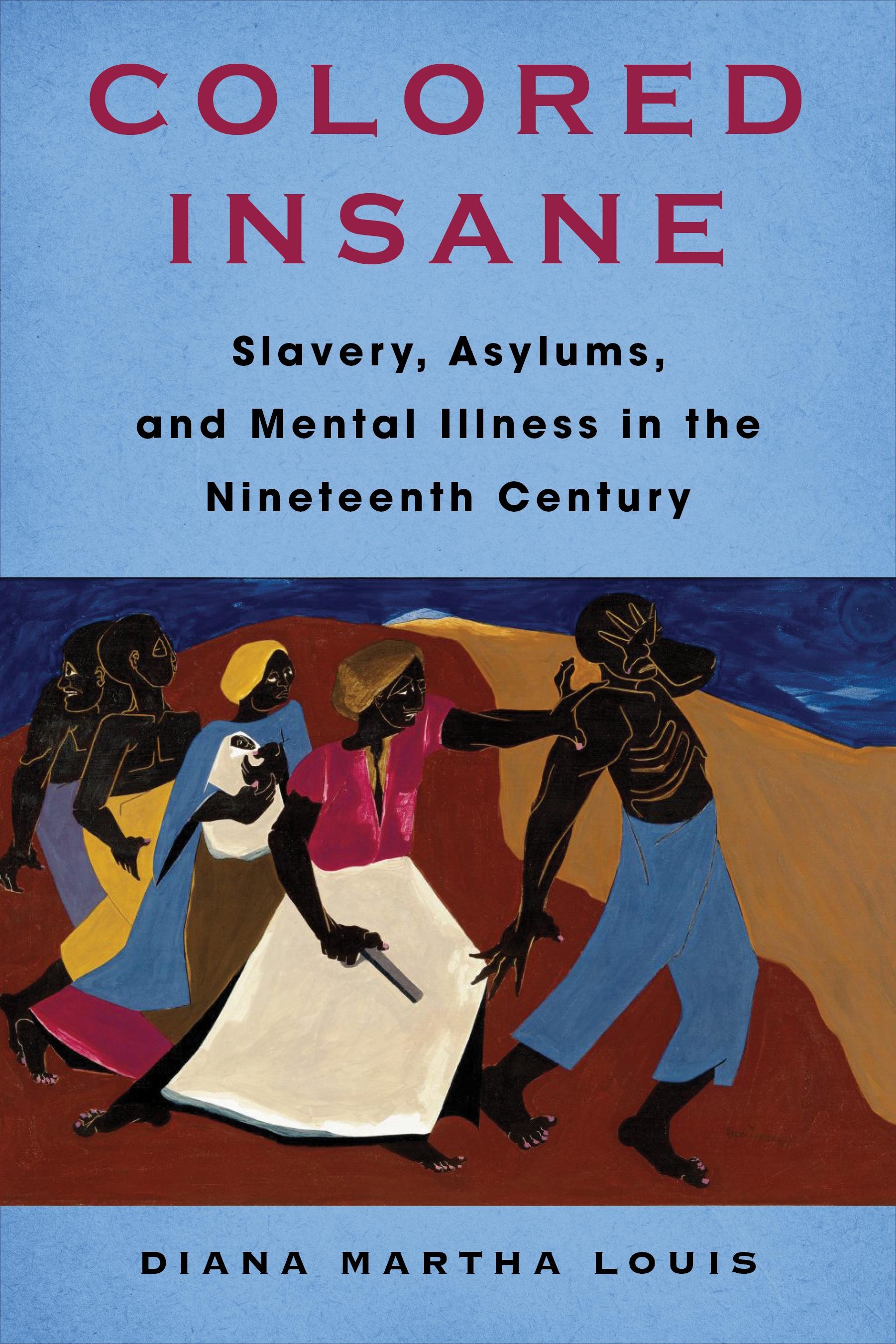
The nineteenth century in the United States witnessed the end of slavery and the expansion of another form of confinement: the asylum. How did enslaved and free Black people encounter psychiatric institutions? How were notions of mental disability used to reinforce slavery and Jim Crow? And how did Black people express alternative ideas about individual and communal mental health?
Diana Martha Louis explores Black experiences and views of mental disability in the nineteenth century, shedding light on the lives and struggles of the “colored insane.” She demonstrates how psychiatric discourses made Blacks “mad” both by inflicting real psychological harm within asylums, plantations, jails, and society writ large and by constructing mental disorders according to prevailing notions of race, class, gender, and sanity. Yet even as white medical professionals pathologized the enslaved as suffering from “drapetomania” (runaway slave syndrome), portrayed slavery as beneficial to Black mental health, or cast African-derived spiritual beliefs and practices as signs of madness, Black people developed their own complex perspectives on mental disability.
Louis considers the lives and writings of Black intellectuals and cultural figures including James McCune Smith, Harriet Jacobs, Harriet Tubman, and Charles Chesnutt, as well as a group of Black women who were incarcerated in Georgia Lunatic Asylum, showing how mental disability was entangled with questions of freedom, spirituality, and self-determination. Combining literary and historical analysis, Colored Insane is a rich account of nineteenth-century Black Americans’ experiences of mental illness and wellness.
Before Memmo my notes were scattered across PDFs. Now a workspace pulls everything into one place — I see exactly what's still left to study.
Memmo's summaries are gold before exams. I don't have to re-read 800 pages two weeks before — just the important parts.
The AI chat has saved me the night before an exam more than once. I just keep asking until I get it — no waiting on a study group to reply.
The quizzes hit exactly what I need to know. Memmo tracks what I get stuck on — so I only practice what's worth it.
Flashcards with spaced repetition are magic. Memmo knows when I'm about to forget something and brings it back.
The AI podcasts are my favorite. I listen on my way to school and get a recap without sitting at a computer.

Handbok i kvalitativa metoder
281 kr

Hållbar utveckling: en introduktion för ingenjörer och andra problemlösare
334 kr

Brymans Samhällsvetenskapliga metoder
390 kr

Projektledning
491 kr

Den orättvisa hälsan: om socioekonomiska skillnader i hälsa och livslängd
326 kr

Vetenskapsteori för nybörjare
196 kr

Organizational Leadership
429 kr

På väg mot läraryrket
172 kr

Det sociala livet i skolan: Socialpsykologiska perspektiv
253 kr

Betygsättningens didaktik
151 kr

Personality
402 kr

Studying Leadership
404 kr

Managing Innovation
477 kr

Introduktion till samhällsvetenskaplig metod
347 kr

The Psychology of Sex and Gender
698 kr

Evidens och kunskap för socialt arbete
207 kr

Introduction to Leadership
605 kr