
Before Memmo my notes were scattered across PDFs. Now a workspace pulls everything into one place — I see exactly what's still left to study.
Winner, 2026 Barbara Perkins and George Perkins Prize, International Society for the Study of Narrative
Winner, 2023-2024 MELUS Book Award, Society for the Study of the Multi-Ethnic Literature of the United States
Finalist, 2025 SHARP Book History Book Prize, Society for the Study of the History of Authorship, Reading, and Publishing
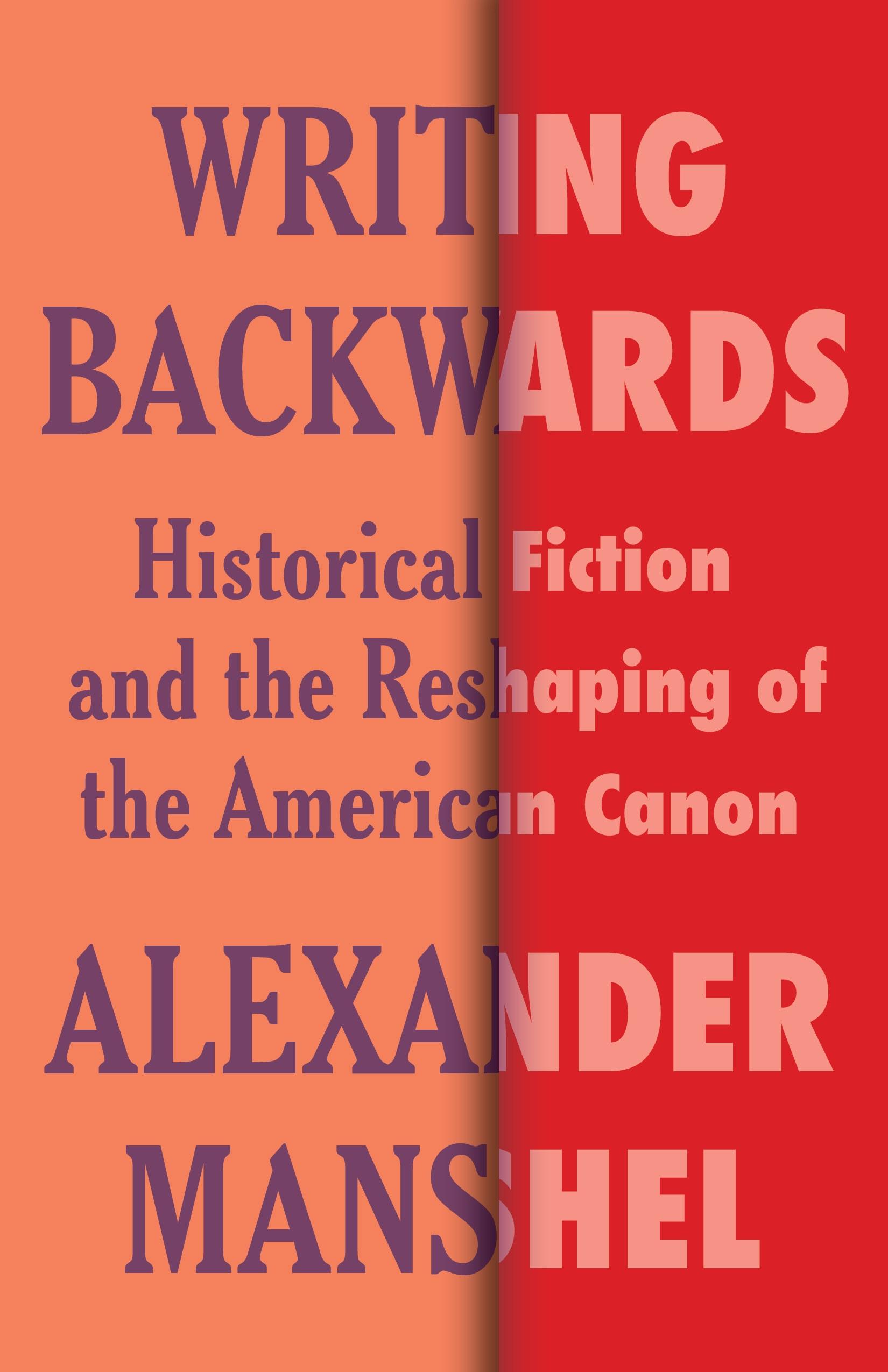
Contemporary fiction has never been less contemporary. Midcentury writers tended to set their works in their own moment, but for the last several decades critical acclaim and attention have fixated on historical fiction. This shift is particularly dramatic for writers of color. Even as the literary canon has become more diverse, cultural institutions have celebrated Black, Asian American, Latinx, and Indigenous novelists almost exclusively for their historical fiction.
Writing Backwards explores what the dominance of historical fiction in the contemporary canon reveals about American literary culture. Alexander Manshel investigates the most celebrated historical genres—contemporary narratives of slavery, the World War II novel, the multigenerational family saga, immigrant fiction, and the novel of recent history—alongside the literary and academic institutions that have elevated them. He examines novels by writers including Toni Morrison, Viet Thanh Nguyen, Colson Whitehead, Julia Alvarez, Leslie Marmon Silko, Michael Chabon, Julie Otsuka, Yaa Gyasi, Ben Lerner, and Tommy Orange in the context of MFA programs, literary prizes, university syllabi, book clubs, and the National Endowment for the Arts. Manshel studies how historical fiction has evolved over the last half century, documenting the formation of the newly inclusive literary canon as well as who and what it still excludes. Offering new insight into how institutions shape literature and the limits of historical memory, Writing Backwards also considers recent challenges to the historical turn in American fiction.
Before Memmo my notes were scattered across PDFs. Now a workspace pulls everything into one place — I see exactly what's still left to study.
Memmo's summaries are gold before exams. I don't have to re-read 800 pages two weeks before — just the important parts.
The AI chat has saved me the night before an exam more than once. I just keep asking until I get it — no waiting on a study group to reply.
The quizzes hit exactly what I need to know. Memmo tracks what I get stuck on — so I only practice what's worth it.
Flashcards with spaced repetition are magic. Memmo knows when I'm about to forget something and brings it back.
The AI podcasts are my favorite. I listen on my way to school and get a recap without sitting at a computer.

Handbok i kvalitativa metoder
281 kr

Hållbar utveckling: en introduktion för ingenjörer och andra problemlösare
334 kr

Brymans Samhällsvetenskapliga metoder
390 kr

Projektledning
491 kr

Den orättvisa hälsan: om socioekonomiska skillnader i hälsa och livslängd
326 kr

Organizational Leadership
429 kr

Vetenskapsteori för nybörjare
196 kr

På väg mot läraryrket
172 kr

Det sociala livet i skolan: Socialpsykologiska perspektiv
253 kr

Betygsättningens didaktik
151 kr

Personality
402 kr

Studying Leadership
404 kr

Managing Innovation
477 kr

Introduktion till samhällsvetenskaplig metod
347 kr

The Psychology of Sex and Gender
698 kr

Evidens och kunskap för socialt arbete
207 kr

Introduction to Leadership
605 kr