
Before Memmo my notes were scattered across PDFs. Now a workspace pulls everything into one place — I see exactly what's still left to study.
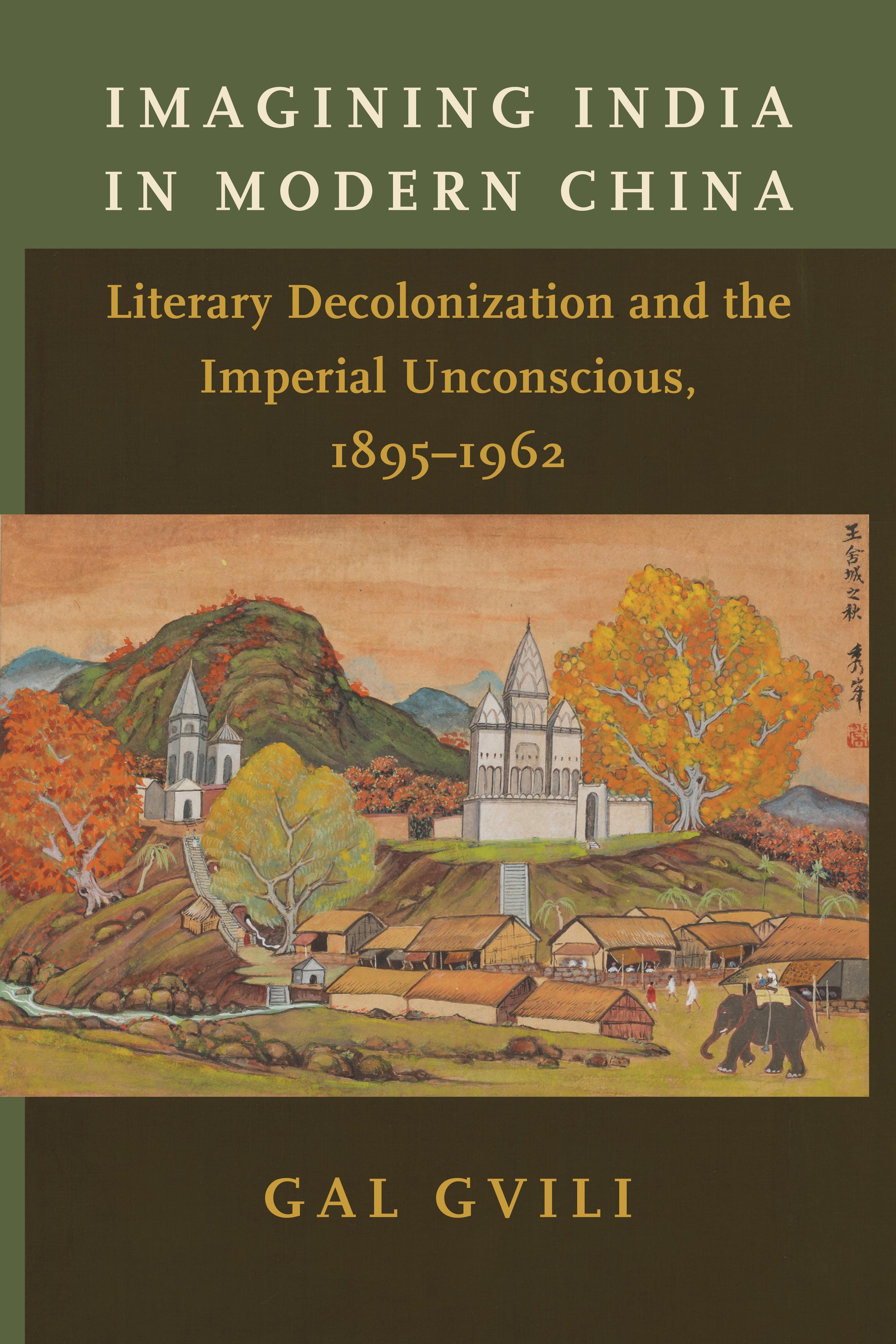
Winner, 2023 Harry Levin Prize, American Comparative Literature Association
Beginning in the late Qing era, Chinese writers and intellectuals looked to India in search of new literary possibilities and anticolonial solidarity. In their view, India and China shared both an illustrious past of cultural and religious exchange and a present experience of colonial aggression. These writers imagined India as an alternative to Western imperialism—a Pan-Asian ideal that could help chart an escape route from colonialism and its brutal grasp on body and mind by ushering in a new kind of modernity in Asian terms.
Gal Gvili examines how Chinese writers’ image of India shaped the making of a new literature and spurred efforts to achieve literary decolonization. She argues that multifaceted visions of Sino-Indian connections empowered Chinese literary figures to resist Western imperialism and its legacies through novel forms and genres. However, Gvili demonstrates, the Global North and its authority mediated Chinese visions of Sino-Indian pasts and futures. Often reading Indian literature and thought through English translations, Chinese writers struggled to break free from deeply ingrained imperialist knowledge structures.
Imagining India in Modern China traces one of the earliest South-South literary imaginaries: the hopes it inspired, the literary rejuvenation it launched, and the shadow of the North that inescapably haunted it. By unearthing Chinese writers’ endeavors to decolonize literature and thought as well as the indelible marks that imperialism left on their minds, it offers new perspective on the possibilities and limitations of anticolonial movements and South-South solidarity.
Before Memmo my notes were scattered across PDFs. Now a workspace pulls everything into one place — I see exactly what's still left to study.
Memmo's summaries are gold before exams. I don't have to re-read 800 pages two weeks before — just the important parts.
The AI chat has saved me the night before an exam more than once. I just keep asking until I get it — no waiting on a study group to reply.
The quizzes hit exactly what I need to know. Memmo tracks what I get stuck on — so I only practice what's worth it.
Flashcards with spaced repetition are magic. Memmo knows when I'm about to forget something and brings it back.
The AI podcasts are my favorite. I listen on my way to school and get a recap without sitting at a computer.

Handbok i kvalitativa metoder
281 kr

Hållbar utveckling: en introduktion för ingenjörer och andra problemlösare
334 kr

Brymans Samhällsvetenskapliga metoder
390 kr

Projektledning
491 kr

Den orättvisa hälsan: om socioekonomiska skillnader i hälsa och livslängd
326 kr

Organizational Leadership
429 kr

Vetenskapsteori för nybörjare
196 kr

På väg mot läraryrket
172 kr

Det sociala livet i skolan: Socialpsykologiska perspektiv
253 kr

Betygsättningens didaktik
151 kr

Personality
402 kr

Studying Leadership
404 kr

Managing Innovation
477 kr

Introduktion till samhällsvetenskaplig metod
347 kr

The Psychology of Sex and Gender
698 kr

Evidens och kunskap för socialt arbete
207 kr

Introduction to Leadership
605 kr