
Before Memmo my notes were scattered across PDFs. Now a workspace pulls everything into one place — I see exactly what's still left to study.
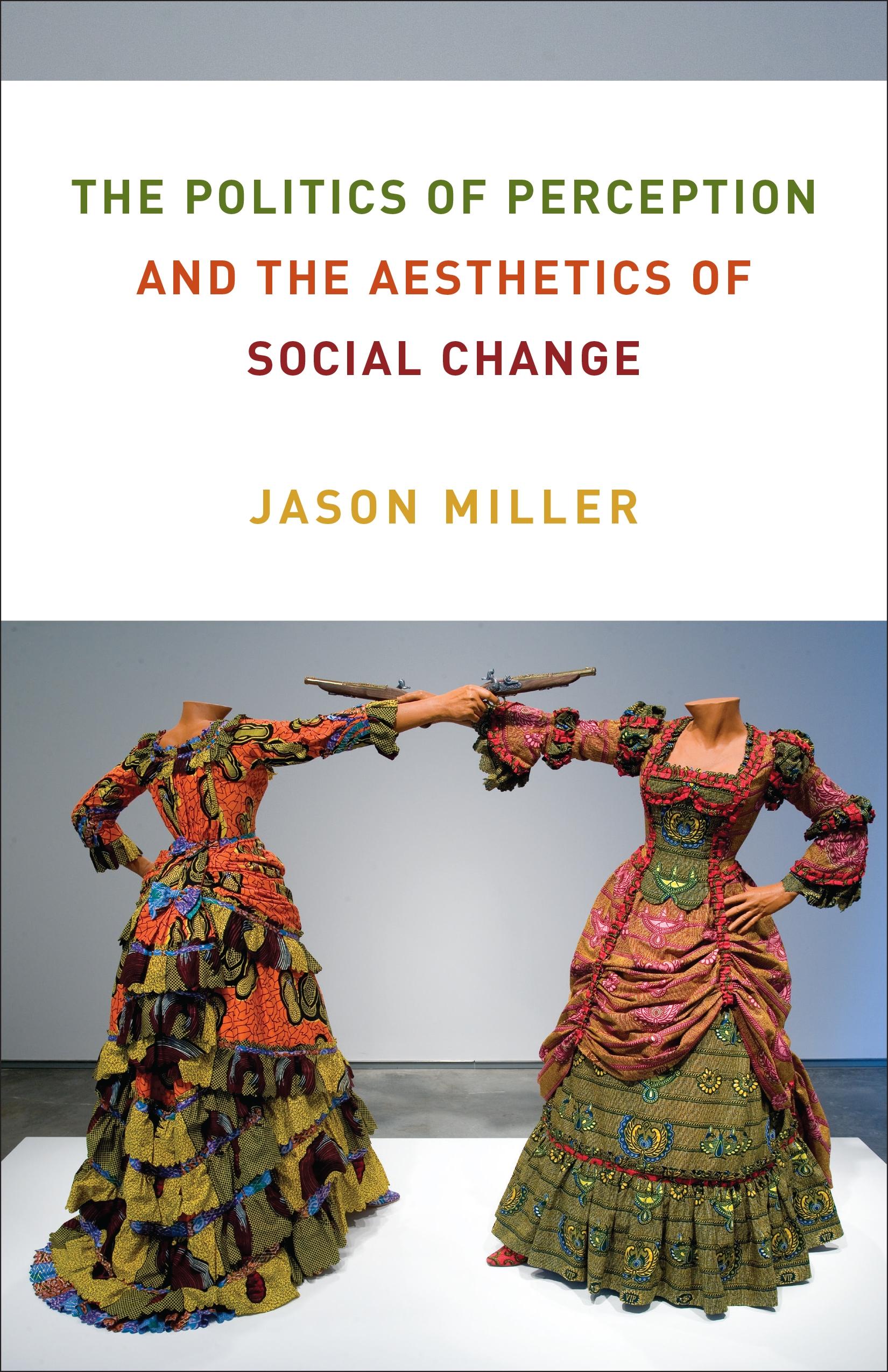
In both politics and art in recent decades, there has been a dramatic shift in emphasis on representation of identity. Liberal ideals of universality and individuality have given way to a concern with the visibility and recognition of underrepresented groups. Modernist and postmodernist celebrations of disruption and subversion have been challenged by the view that representation is integral to social change. Despite this convergence, neither political nor aesthetic theory has given much attention to the increasingly central role of art in debates and struggles over cultural identity in the public sphere.
Connecting Hegelian aesthetics with contemporary cultural politics, Jason Miller argues that both the aesthetic and political value of art are found in the reflexive self-awareness that artistic representation enables. The significance of art in modern life is that it shows us both the particular element in humanity as well as the human element in particularity. Just as Hegel asks us to acknowledge how different historical and cultural contexts produce radically different experiences of art, identity-based art calls on its audiences to situate themselves in relation to perspectives and experiences potentially quite remote—or even inaccessible—from their own. Miller offers a timely response to questions such as: How does contemporary art’s politics of perception contest liberal notions of deliberative politics? How does the cultural identity of the artist relate to the representations of cultural identity in their work? How do we understand and evaluate identity-based art aesthetically?
Discussing a wide range of works of art and popular culture—from Antigone to Do the Right Thing and The Wire—this book develops a new conceptual framework for understanding the representation of cultural identity that affirms art’s capacity to effect social change.
Before Memmo my notes were scattered across PDFs. Now a workspace pulls everything into one place — I see exactly what's still left to study.
Memmo's summaries are gold before exams. I don't have to re-read 800 pages two weeks before — just the important parts.
The AI chat has saved me the night before an exam more than once. I just keep asking until I get it — no waiting on a study group to reply.
The quizzes hit exactly what I need to know. Memmo tracks what I get stuck on — so I only practice what's worth it.
Flashcards with spaced repetition are magic. Memmo knows when I'm about to forget something and brings it back.
The AI podcasts are my favorite. I listen on my way to school and get a recap without sitting at a computer.

Handbok i kvalitativa metoder
281 kr

Hållbar utveckling: en introduktion för ingenjörer och andra problemlösare
334 kr

Brymans Samhällsvetenskapliga metoder
390 kr

Projektledning
491 kr

Den orättvisa hälsan: om socioekonomiska skillnader i hälsa och livslängd
326 kr

Vetenskapsteori för nybörjare
196 kr

Organizational Leadership
429 kr

På väg mot läraryrket
172 kr

Det sociala livet i skolan: Socialpsykologiska perspektiv
253 kr

Betygsättningens didaktik
151 kr

Personality
402 kr

Studying Leadership
404 kr

Managing Innovation
477 kr

Introduktion till samhällsvetenskaplig metod
347 kr

The Psychology of Sex and Gender
698 kr

Evidens och kunskap för socialt arbete
207 kr

Introduction to Leadership
605 kr