
Before Memmo my notes were scattered across PDFs. Now a workspace pulls everything into one place — I see exactly what's still left to study.
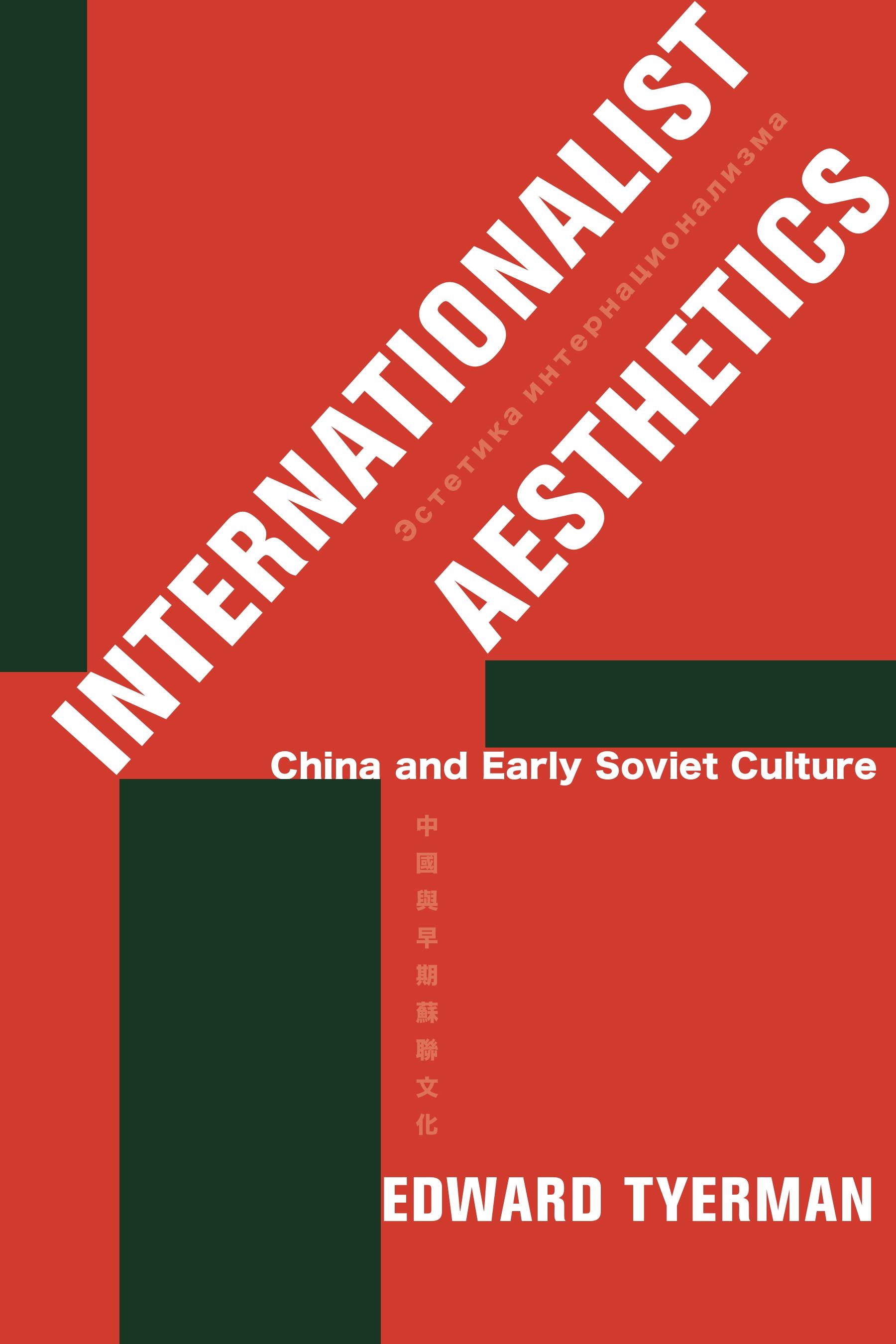
Winner, 2022 AATSEEL Best Book in Literary Studies, American Association of Teachers of Slavic and European Languages
Honorable Mention, 2022 Aldo and Jeanne Scaglione Prize for Comparative Literary Studies, Modern Language Association
Following the failure of communist revolutions in Europe, in the 1920s the Soviet Union turned its attention to fostering anticolonial uprisings in Asia. China, divided politically between rival military factions and dominated economically by imperial powers, emerged as the Comintern’s prime target. At the same time, a host of prominent figures in Soviet literature, film, and theater traveled to China, met with Chinese students in Moscow, and placed contemporary China on the new Soviet stage. They sought to reimagine the relationship with China in the terms of socialist internationalism—and, in the process, determine how internationalism was supposed to look and feel in practice.
Internationalist Aesthetics offers a groundbreaking account of the crucial role that China played in the early Soviet cultural imagination. Edward Tyerman tracks how China became the key site for Soviet debates over how the political project of socialist internationalism should be mediated, represented, and produced. The central figure in this story, the avant-garde writer Sergei Tret’iakov, journeyed to Beijing in the 1920s and experimented with innovative documentary forms in an attempt to foster a new sense of connection between Chinese and Soviet citizens. Reading across genres and media from reportage and biography to ballet and documentary film, Tyerman shows how Soviet culture sought an aesthetics that could foster a sense of internationalist community. He reveals both the aspirations and the limitations of this project, illuminating a crucial chapter in Sino-Russian relations. Grounded in extensive sources in Russian and Chinese, this cultural history bridges Slavic and East Asian studies and offers new insight into the transnational dynamics that shaped socialist aesthetics and politics in both countries.
Before Memmo my notes were scattered across PDFs. Now a workspace pulls everything into one place — I see exactly what's still left to study.
Memmo's summaries are gold before exams. I don't have to re-read 800 pages two weeks before — just the important parts.
The AI chat has saved me the night before an exam more than once. I just keep asking until I get it — no waiting on a study group to reply.
The quizzes hit exactly what I need to know. Memmo tracks what I get stuck on — so I only practice what's worth it.
Flashcards with spaced repetition are magic. Memmo knows when I'm about to forget something and brings it back.
The AI podcasts are my favorite. I listen on my way to school and get a recap without sitting at a computer.

Handbok i kvalitativa metoder
281 kr

Hållbar utveckling: en introduktion för ingenjörer och andra problemlösare
334 kr

Brymans Samhällsvetenskapliga metoder
390 kr

Projektledning
491 kr

Den orättvisa hälsan: om socioekonomiska skillnader i hälsa och livslängd
326 kr

Vetenskapsteori för nybörjare
196 kr

Organizational Leadership
429 kr

På väg mot läraryrket
172 kr

Det sociala livet i skolan: Socialpsykologiska perspektiv
253 kr

Betygsättningens didaktik
151 kr

Personality
402 kr

Studying Leadership
404 kr

Managing Innovation
477 kr

Introduktion till samhällsvetenskaplig metod
347 kr

The Psychology of Sex and Gender
698 kr

Evidens och kunskap för socialt arbete
207 kr

Introduction to Leadership
605 kr