
Before Memmo my notes were scattered across PDFs. Now a workspace pulls everything into one place — I see exactly what's still left to study.
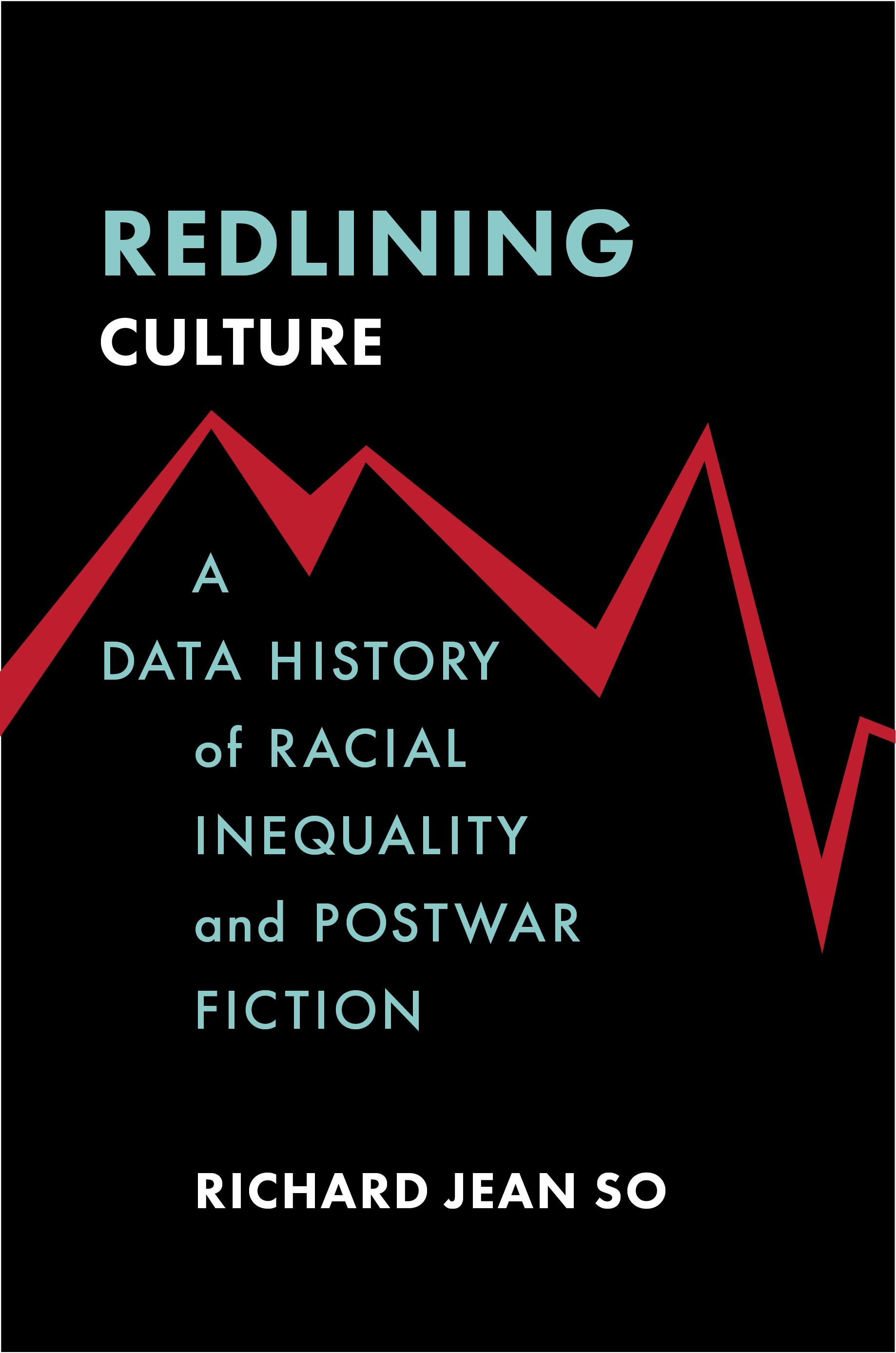
The canon of postwar American fiction has changed over the past few decades to include far more writers of color. It would appear that we are making progress—recovering marginalized voices and including those who were for far too long ignored. However, is this celebratory narrative borne out in the data?
Richard Jean So draws on big data, literary history, and close readings to offer an unprecedented analysis of racial inequality in American publishing that reveals the persistence of an extreme bias toward white authors. In fact, a defining feature of the publishing industry is its vast whiteness, which has denied nonwhite authors, especially black writers, the coveted resources of publishing, reviews, prizes, and sales, with profound effects on the language, form, and content of the postwar novel. Rather than seeing the postwar period as the era of multiculturalism, So argues that we should understand it as the invention of a new form of racial inequality—one that continues to shape the arts and literature today.
Interweaving data analysis of large-scale patterns with a consideration of Toni Morrison’s career as an editor at Random House and readings of individual works by Octavia Butler, Henry Dumas, Amy Tan, and others, So develops a form of criticism that brings together qualitative and quantitative approaches to the study of literature. A vital and provocative work for American literary studies, critical race studies, and the digital humanities, Redlining Culture shows the importance of data and computational methods for understanding and challenging racial inequality.
Before Memmo my notes were scattered across PDFs. Now a workspace pulls everything into one place — I see exactly what's still left to study.
Memmo's summaries are gold before exams. I don't have to re-read 800 pages two weeks before — just the important parts.
The AI chat has saved me the night before an exam more than once. I just keep asking until I get it — no waiting on a study group to reply.
The quizzes hit exactly what I need to know. Memmo tracks what I get stuck on — so I only practice what's worth it.
Flashcards with spaced repetition are magic. Memmo knows when I'm about to forget something and brings it back.
The AI podcasts are my favorite. I listen on my way to school and get a recap without sitting at a computer.

Handbok i kvalitativa metoder
281 kr

Hållbar utveckling: en introduktion för ingenjörer och andra problemlösare
334 kr

Brymans Samhällsvetenskapliga metoder
390 kr

Projektledning
491 kr

Den orättvisa hälsan: om socioekonomiska skillnader i hälsa och livslängd
326 kr

Organizational Leadership
429 kr

Vetenskapsteori för nybörjare
196 kr

På väg mot läraryrket
172 kr

Det sociala livet i skolan: Socialpsykologiska perspektiv
253 kr

Betygsättningens didaktik
151 kr

Personality
402 kr

Studying Leadership
404 kr

Managing Innovation
477 kr

Introduktion till samhällsvetenskaplig metod
347 kr

The Psychology of Sex and Gender
698 kr

Evidens och kunskap för socialt arbete
207 kr

Introduction to Leadership
605 kr