
Before Memmo my notes were scattered across PDFs. Now a workspace pulls everything into one place — I see exactly what's still left to study.
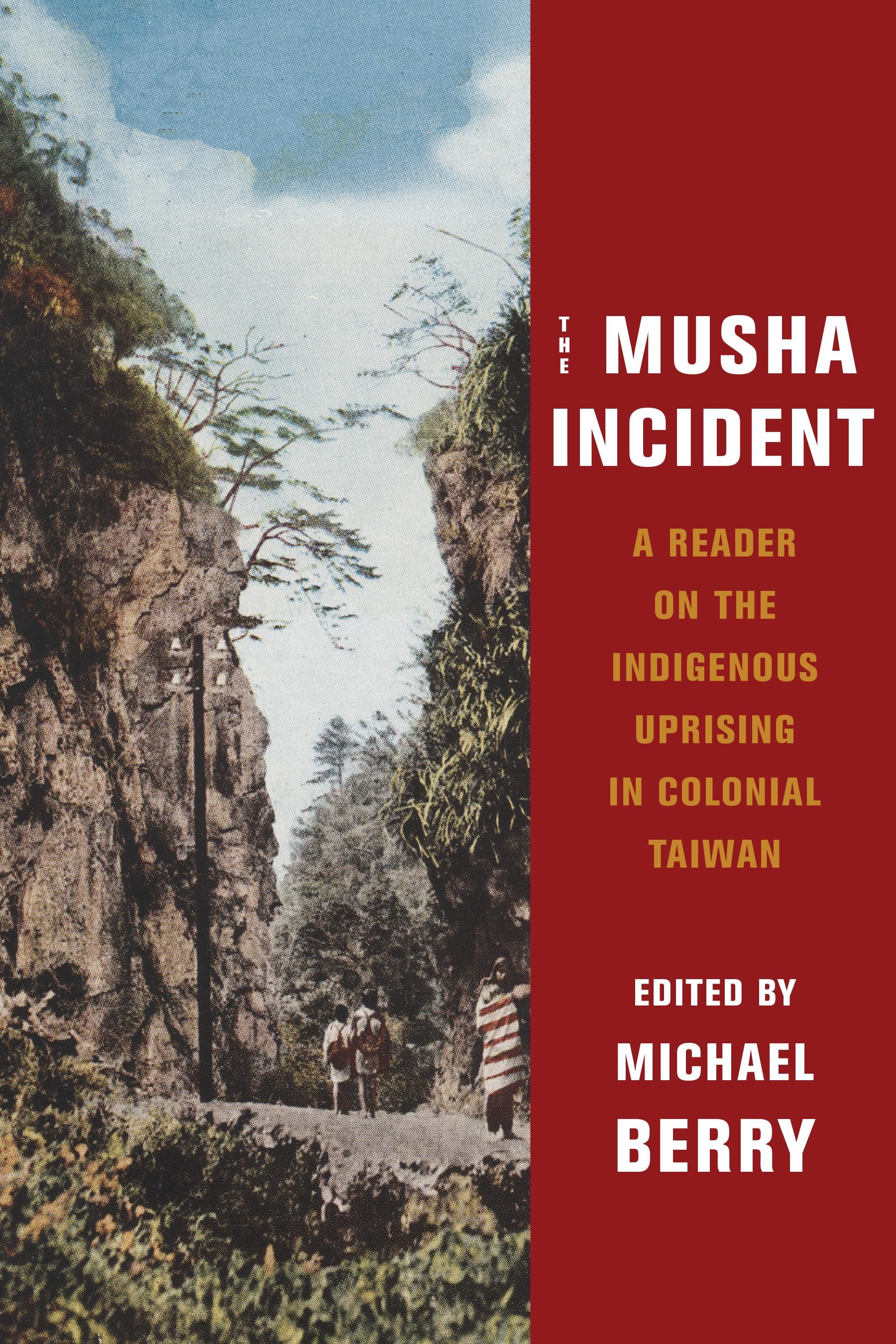
On October 27, 1930, members of six Taiwanese indigenous groups ambushed the Japanese attendees of an athletic competition at the Musha Elementary School, killing 134. The uprising came as a shock to Japanese colonial authorities, whose response was swift and brutal. Heavy artillery and battalions of troops assaulted the region, spraying a wide area with banned poison gas. The Seediq from Mhebu, who led the uprising, were brought to the brink of genocide.
Over the ensuing decades, the Musha Incident became seen as a central moment in Taiwan’s colonial history, and different political regimes and movements have seized on it for various purposes. Under the Japanese, it was used to attest to the “barbarity” of Taiwan’s indigenous tribes; the Nationalist regime cited the uprising as proof of the Taiwanese peoples’ heroism and solidarity with the Chinese in resisting the Japanese; and pro-independence groups in Taiwan have portrayed the Seediq people and their history as exemplars of Taiwan’s “authentic” cultural traditions, which stand apart from that of mainland China.
This book brings together leading scholars to provide new perspectives on one of the most traumatic episodes in Taiwan’s modern history and its fraught legacies. Contributors from a variety of disciplines revisit the Musha Incident and its afterlife in history, literature, film, art, and popular culture. They unravel the complexities surrounding it by confronting a history of exploitation, contradictions, and misunderstandings. The book also features conversations with influential cultural figures in Taiwan who have attempted to tell the story of the uprising.
Before Memmo my notes were scattered across PDFs. Now a workspace pulls everything into one place — I see exactly what's still left to study.
Memmo's summaries are gold before exams. I don't have to re-read 800 pages two weeks before — just the important parts.
The AI chat has saved me the night before an exam more than once. I just keep asking until I get it — no waiting on a study group to reply.
The quizzes hit exactly what I need to know. Memmo tracks what I get stuck on — so I only practice what's worth it.
Flashcards with spaced repetition are magic. Memmo knows when I'm about to forget something and brings it back.
The AI podcasts are my favorite. I listen on my way to school and get a recap without sitting at a computer.

Handbok i kvalitativa metoder
281 kr

Hållbar utveckling: en introduktion för ingenjörer och andra problemlösare
334 kr

Brymans Samhällsvetenskapliga metoder
390 kr

Projektledning
491 kr

Den orättvisa hälsan: om socioekonomiska skillnader i hälsa och livslängd
326 kr

Organizational Leadership
429 kr

Vetenskapsteori för nybörjare
196 kr

På väg mot läraryrket
172 kr

Det sociala livet i skolan: Socialpsykologiska perspektiv
253 kr

Betygsättningens didaktik
151 kr

Personality
402 kr

Studying Leadership
404 kr

Managing Innovation
477 kr

Introduktion till samhällsvetenskaplig metod
347 kr

The Psychology of Sex and Gender
698 kr

Evidens och kunskap för socialt arbete
207 kr

Introduction to Leadership
605 kr