
Before Memmo my notes were scattered across PDFs. Now a workspace pulls everything into one place — I see exactly what's still left to study.
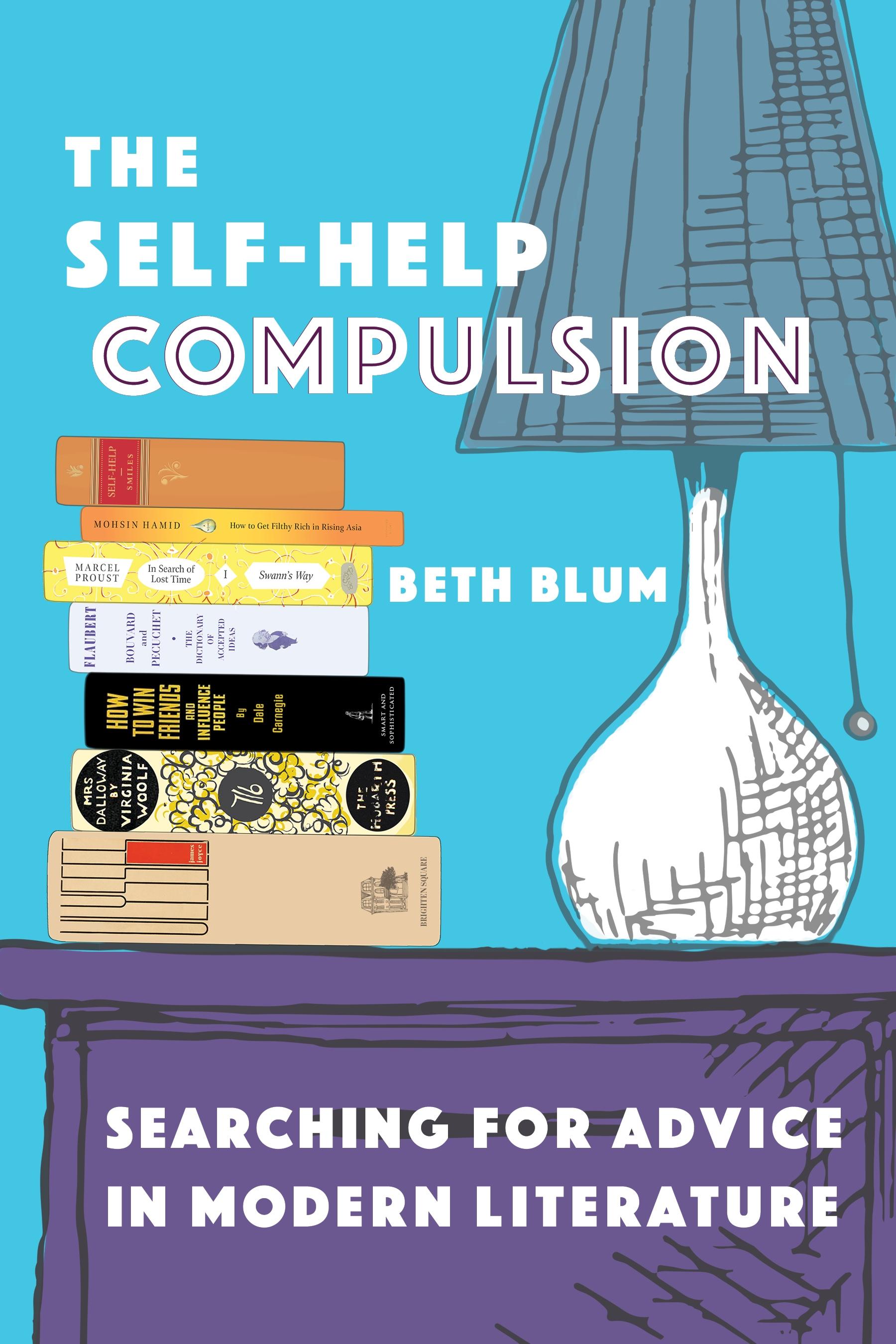
Samuel Beckett as a guru for business executives? James Joyce as a guide to living a good life? The notion of notoriously experimental authors sharing a shelf with self-help books might seem far-fetched, yet a hidden history of rivalry, influence, and imitation links these two worlds. In The Self-Help Compulsion, Beth Blum reveals the profound entanglement of modern literature and commercial advice from the late nineteenth century to the present day.
Blum explores popular reading practices in which people turn to literature in search of practical advice alongside modern writers’ rebukes of such instrumental purposes. As literary authors positioned themselves in opposition to people like Samuel Smiles and Dale Carnegie, readers turned to self-help for the promises of mobility, agency, and practical use that serious literature was reluctant to supply. Blum unearths a series of unlikely cases of the love-hate relationship between serious fiction and commercial advice, from Gustave Flaubert’s mockery of early DIY culture to Dear Abby’s cutting diagnoses of Nathanael West and from Virginia Woolf’s ambivalent polemics against self-improvement to the ways that contemporary global authors such as Mohsin Hamid and Tash Aw explicitly draw on the self-help genre. She also traces the self-help industry’s tendency to popularize, quote, and adapt literary wisdom and considers what it might have to teach today’s university. Offering a new history of self-help’s origins, appeal, and cultural and literary import around the world, this book reveals that self-help’s most valuable secrets are not about getting rich or winning friends but about how and why people read.
Before Memmo my notes were scattered across PDFs. Now a workspace pulls everything into one place — I see exactly what's still left to study.
Memmo's summaries are gold before exams. I don't have to re-read 800 pages two weeks before — just the important parts.
The AI chat has saved me the night before an exam more than once. I just keep asking until I get it — no waiting on a study group to reply.
The quizzes hit exactly what I need to know. Memmo tracks what I get stuck on — so I only practice what's worth it.
Flashcards with spaced repetition are magic. Memmo knows when I'm about to forget something and brings it back.
The AI podcasts are my favorite. I listen on my way to school and get a recap without sitting at a computer.

Handbok i kvalitativa metoder
281 kr

Hållbar utveckling: en introduktion för ingenjörer och andra problemlösare
334 kr

Brymans Samhällsvetenskapliga metoder
390 kr

Projektledning
491 kr

Den orättvisa hälsan: om socioekonomiska skillnader i hälsa och livslängd
326 kr

Organizational Leadership
429 kr

Vetenskapsteori för nybörjare
196 kr

På väg mot läraryrket
172 kr

Det sociala livet i skolan: Socialpsykologiska perspektiv
253 kr

Betygsättningens didaktik
151 kr

Personality
402 kr

Studying Leadership
404 kr

Managing Innovation
477 kr

Introduktion till samhällsvetenskaplig metod
347 kr

The Psychology of Sex and Gender
698 kr

Evidens och kunskap för socialt arbete
207 kr

Introduction to Leadership
605 kr