
Before Memmo my notes were scattered across PDFs. Now a workspace pulls everything into one place — I see exactly what's still left to study.
Shortlisted, 2024 SHARP Book History Book Prize, Society for the History of Authorship, Reading, and Publishing
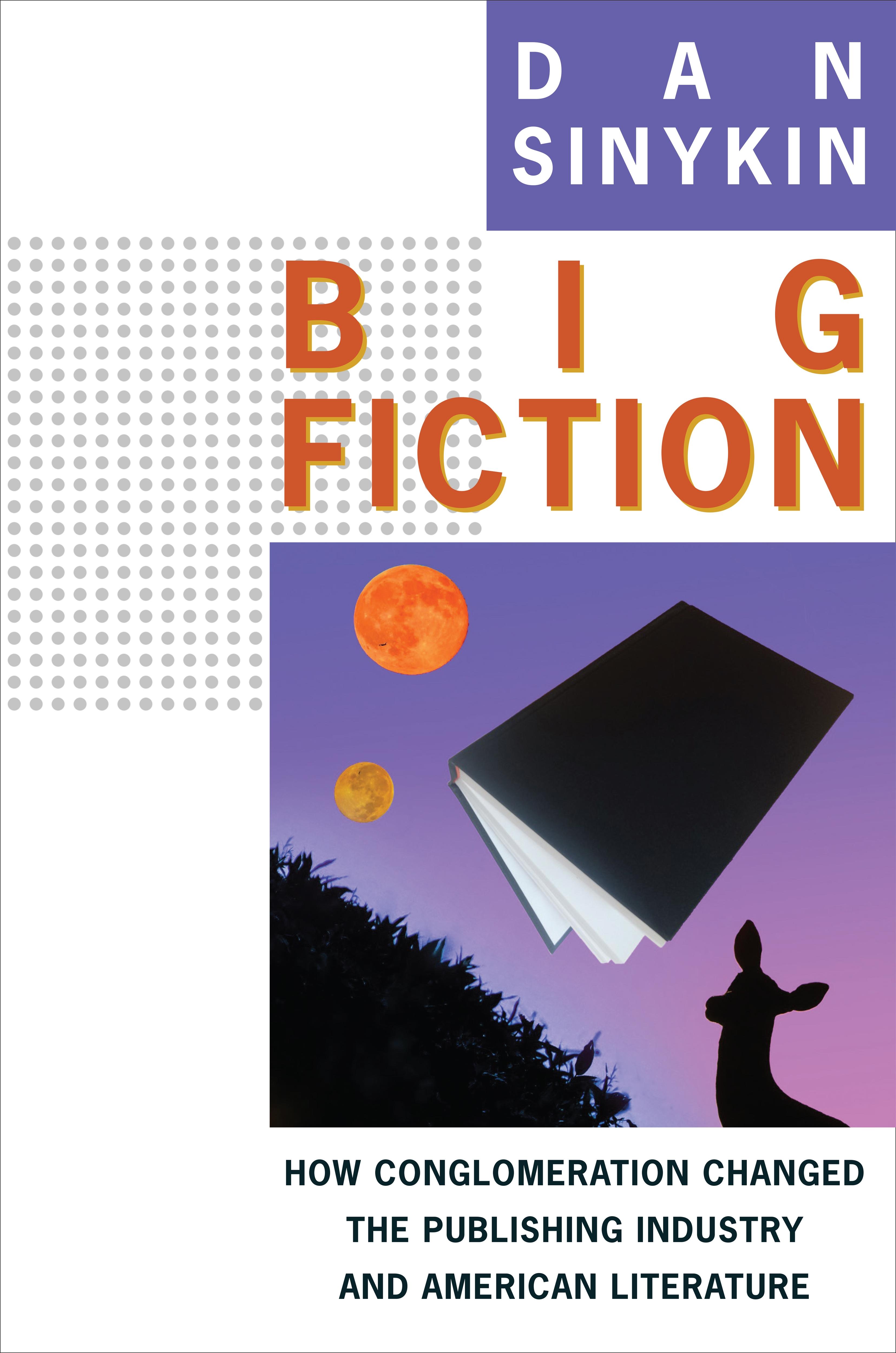
In the late 1950s, Random House editor Jason Epstein would talk jazz with Ralph Ellison or chat with Andy Warhol while pouring drinks in his office. By the 1970s, editors were poring over profit-and-loss statements. The electronics company RCA bought Random House in 1965, and then other large corporations purchased other formerly independent publishers. As multinational conglomerates consolidated the industry, the business of literature—and literature itself—transformed.
Dan Sinykin explores how changes in the publishing industry have affected fiction, literary form, and what it means to be an author. Giving an inside look at the industry’s daily routines, personal dramas, and institutional crises, he reveals how conglomeration has shaped what kinds of books and writers are published. Sinykin examines four different sectors of the publishing industry: mass-market books by brand-name authors like Danielle Steel; trade publishers that encouraged genre elements in literary fiction; nonprofits such as Graywolf that aspired to protect literature from market pressures; and the distinctive niche of employee-owned W. W. Norton. He emphasizes how women and people of color navigated shifts in publishing, arguing that writers such as Toni Morrison allegorized their experiences in their fiction.
Big Fiction features dazzling readings of a vast range of novelists—including E. L. Doctorow, Judith Krantz, Renata Adler, Stephen King, Joan Didion, Cormac McCarthy, Chuck Palahniuk, Patrick O’Brian, and Walter Mosley—as well as vivid portraits of industry figures. Written in gripping and lively prose, this deeply original book recasts the past six decades of American fiction.
Before Memmo my notes were scattered across PDFs. Now a workspace pulls everything into one place — I see exactly what's still left to study.
Memmo's summaries are gold before exams. I don't have to re-read 800 pages two weeks before — just the important parts.
The AI chat has saved me the night before an exam more than once. I just keep asking until I get it — no waiting on a study group to reply.
The quizzes hit exactly what I need to know. Memmo tracks what I get stuck on — so I only practice what's worth it.
Flashcards with spaced repetition are magic. Memmo knows when I'm about to forget something and brings it back.
The AI podcasts are my favorite. I listen on my way to school and get a recap without sitting at a computer.

Handbok i kvalitativa metoder
281 kr

Hållbar utveckling: en introduktion för ingenjörer och andra problemlösare
334 kr

Brymans Samhällsvetenskapliga metoder
390 kr

Projektledning
491 kr

Den orättvisa hälsan: om socioekonomiska skillnader i hälsa och livslängd
326 kr

Organizational Leadership
429 kr

Vetenskapsteori för nybörjare
196 kr

På väg mot läraryrket
172 kr

Det sociala livet i skolan: Socialpsykologiska perspektiv
253 kr

Betygsättningens didaktik
151 kr

Personality
402 kr

Studying Leadership
404 kr

Managing Innovation
477 kr

Introduktion till samhällsvetenskaplig metod
347 kr

The Psychology of Sex and Gender
698 kr

Evidens och kunskap för socialt arbete
207 kr

Introduction to Leadership
605 kr