
Before Memmo my notes were scattered across PDFs. Now a workspace pulls everything into one place — I see exactly what's still left to study.
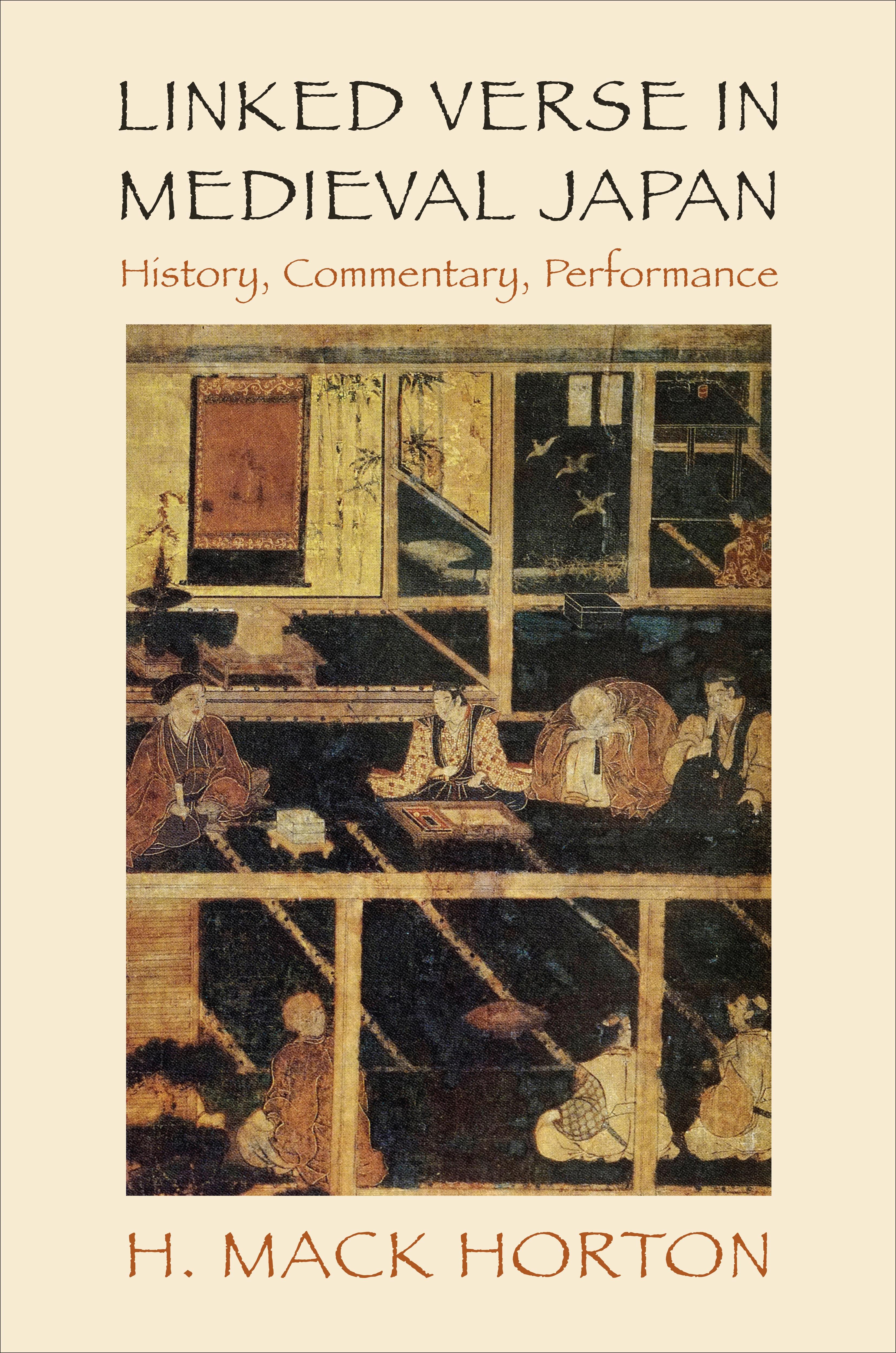
Linked verse (renga) was the most popular form of poetry in Japan’s medieval era (c. 1200–1600 CE). Renga poets linked verses of seventeen and fourteen syllables into long sequences in accordance with complex rules and literary allusions; the first verse, which initially stood alone, was the ancestor of the modern haiku. Courtiers, warriors, and commoners alike practiced linked verse in an atmosphere of literary artistry, scholarship, social sensitivity, and charged competition. The masters were often invited at great expense to warrior domains to preside at linked-verse sessions and provide instruction in the art and in allied works of the classical canon, such as The Tale of Genji. Some of Japan's most famous poets, among them Sōgi and Bashō, not only composed renga sequences still revered today but also made important contributions to the study of renga history, theory, composition, and etiquette.
This book is the most comprehensive work in English on premodern Japanese linked verse. It includes a history of the genre in both its formal (ushin) and unorthodox (haikai) manifestations up through the time of Bashō, an introduction to linked-verse composition and commentaries, and an overview of the art’s performative aspects. These three parts are each linked to original English translations: an early treatise on renga history, theory, and rules; a particularly intricate hundred-verse sequence and its contemporary commentaries; and two guides to mental attitude and deportment at a renga session. Wide-ranging and erudite, Linked Verse in Medieval Japan is a masterful account of the history, theory, and practice of one of Japan’s great art forms.
Before Memmo my notes were scattered across PDFs. Now a workspace pulls everything into one place — I see exactly what's still left to study.
Memmo's summaries are gold before exams. I don't have to re-read 800 pages two weeks before — just the important parts.
The AI chat has saved me the night before an exam more than once. I just keep asking until I get it — no waiting on a study group to reply.
The quizzes hit exactly what I need to know. Memmo tracks what I get stuck on — so I only practice what's worth it.
Flashcards with spaced repetition are magic. Memmo knows when I'm about to forget something and brings it back.
The AI podcasts are my favorite. I listen on my way to school and get a recap without sitting at a computer.

Handbok i kvalitativa metoder
281 kr

Hållbar utveckling: en introduktion för ingenjörer och andra problemlösare
334 kr

Brymans Samhällsvetenskapliga metoder
390 kr

Projektledning
491 kr

Den orättvisa hälsan: om socioekonomiska skillnader i hälsa och livslängd
326 kr

Vetenskapsteori för nybörjare
196 kr

Organizational Leadership
429 kr

På väg mot läraryrket
172 kr

Det sociala livet i skolan: Socialpsykologiska perspektiv
253 kr

Betygsättningens didaktik
151 kr

Personality
402 kr

Studying Leadership
404 kr

Managing Innovation
477 kr

Introduktion till samhällsvetenskaplig metod
347 kr

The Psychology of Sex and Gender
698 kr

Evidens och kunskap för socialt arbete
207 kr

Introduction to Leadership
605 kr