
Before Memmo my notes were scattered across PDFs. Now a workspace pulls everything into one place — I see exactly what's still left to study.
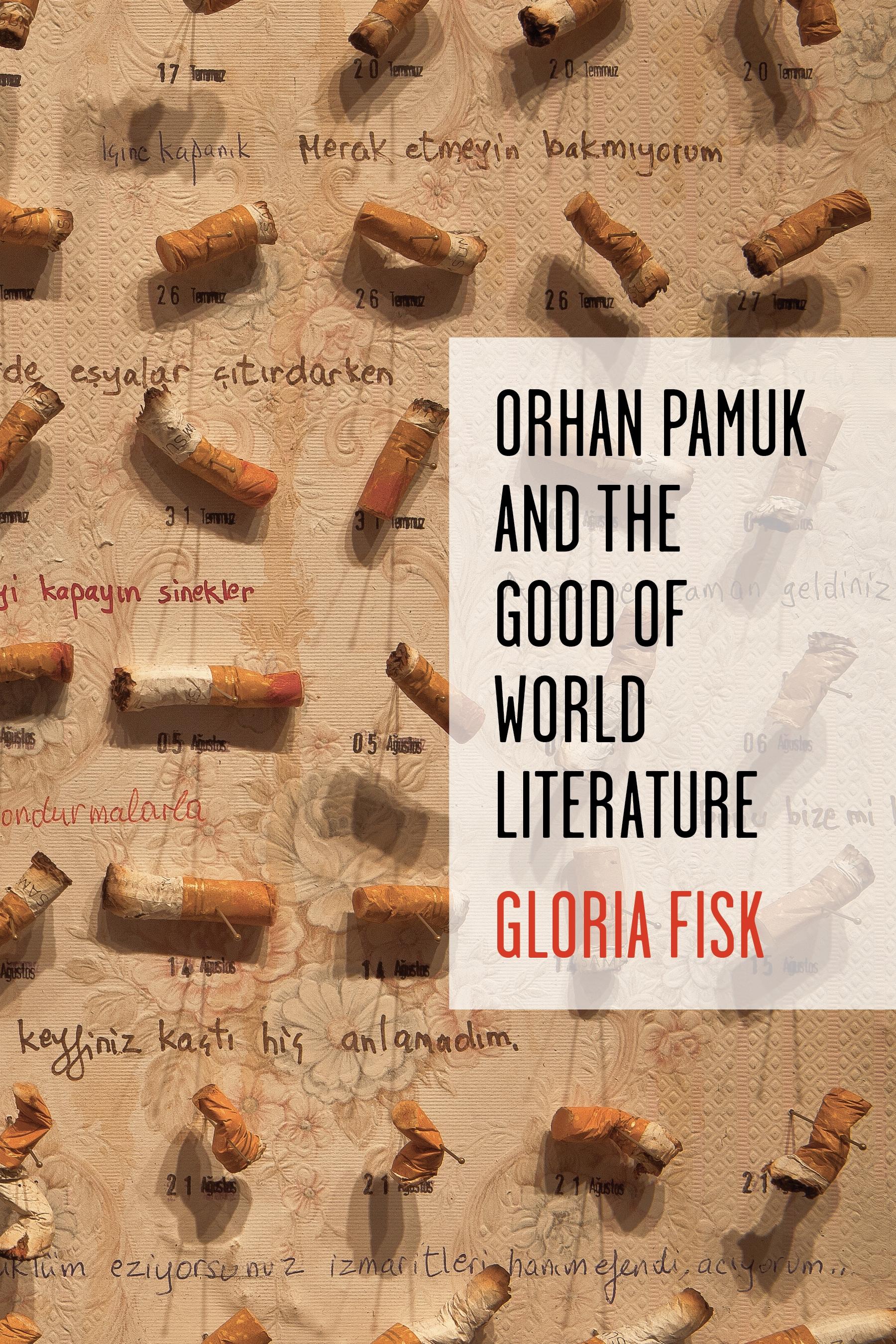
When Orhan Pamuk won the Nobel Prize for Literature in 2006, he was honored as a builder of bridges across a dangerous chasm. By rendering his Turkish characters and settings familiar where they would otherwise seem troublingly foreign, and by speaking freely against his authoritarian state, he demonstrated a variety of literary greatness that testified also to the good literature can do in the world.
Gloria Fisk challenges this standard for canonization as “world literature” by showing how poorly it applies to Pamuk. Reading the Turkish novelist as a case study in the ways Western readers expand their reach, Fisk traces the terms of his engagement with a literary market dominated by the tastes of its Anglophone publics, who received him as a balm for their anxieties about Islamic terrorism and the stratifications of global capitalism. Fisk reads Pamuk’s post-9/11 novels as they circulated through this audience, as rich in cultural capital as it is far-flung, in the American English that is global capital’s lingua franca. She launches a polemic against Anglophone readers’ instrumental use of literature as a source of crosscultural understanding, contending that this pervasive way of reading across all manner of borders limits the globality it announces, because it serves the interests of the Western cultural and educational institutions that produce it. Orhan Pamuk and the Good of World Literature proposes a new way to think about the uneven processes of translation, circulation, and judgment that carry contemporary literature to its readers, wherever they live.
Before Memmo my notes were scattered across PDFs. Now a workspace pulls everything into one place — I see exactly what's still left to study.
Memmo's summaries are gold before exams. I don't have to re-read 800 pages two weeks before — just the important parts.
The AI chat has saved me the night before an exam more than once. I just keep asking until I get it — no waiting on a study group to reply.
The quizzes hit exactly what I need to know. Memmo tracks what I get stuck on — so I only practice what's worth it.
Flashcards with spaced repetition are magic. Memmo knows when I'm about to forget something and brings it back.
The AI podcasts are my favorite. I listen on my way to school and get a recap without sitting at a computer.

Handbok i kvalitativa metoder
281 kr

Hållbar utveckling: en introduktion för ingenjörer och andra problemlösare
334 kr

Brymans Samhällsvetenskapliga metoder
390 kr

Projektledning
491 kr

Den orättvisa hälsan: om socioekonomiska skillnader i hälsa och livslängd
326 kr

Vetenskapsteori för nybörjare
196 kr

Organizational Leadership
429 kr

På väg mot läraryrket
172 kr

Det sociala livet i skolan: Socialpsykologiska perspektiv
253 kr

Betygsättningens didaktik
151 kr

Personality
402 kr

Studying Leadership
404 kr

Managing Innovation
477 kr

Introduktion till samhällsvetenskaplig metod
347 kr

The Psychology of Sex and Gender
698 kr

Evidens och kunskap för socialt arbete
207 kr

Introduction to Leadership
605 kr