
Before Memmo my notes were scattered across PDFs. Now a workspace pulls everything into one place — I see exactly what's still left to study.
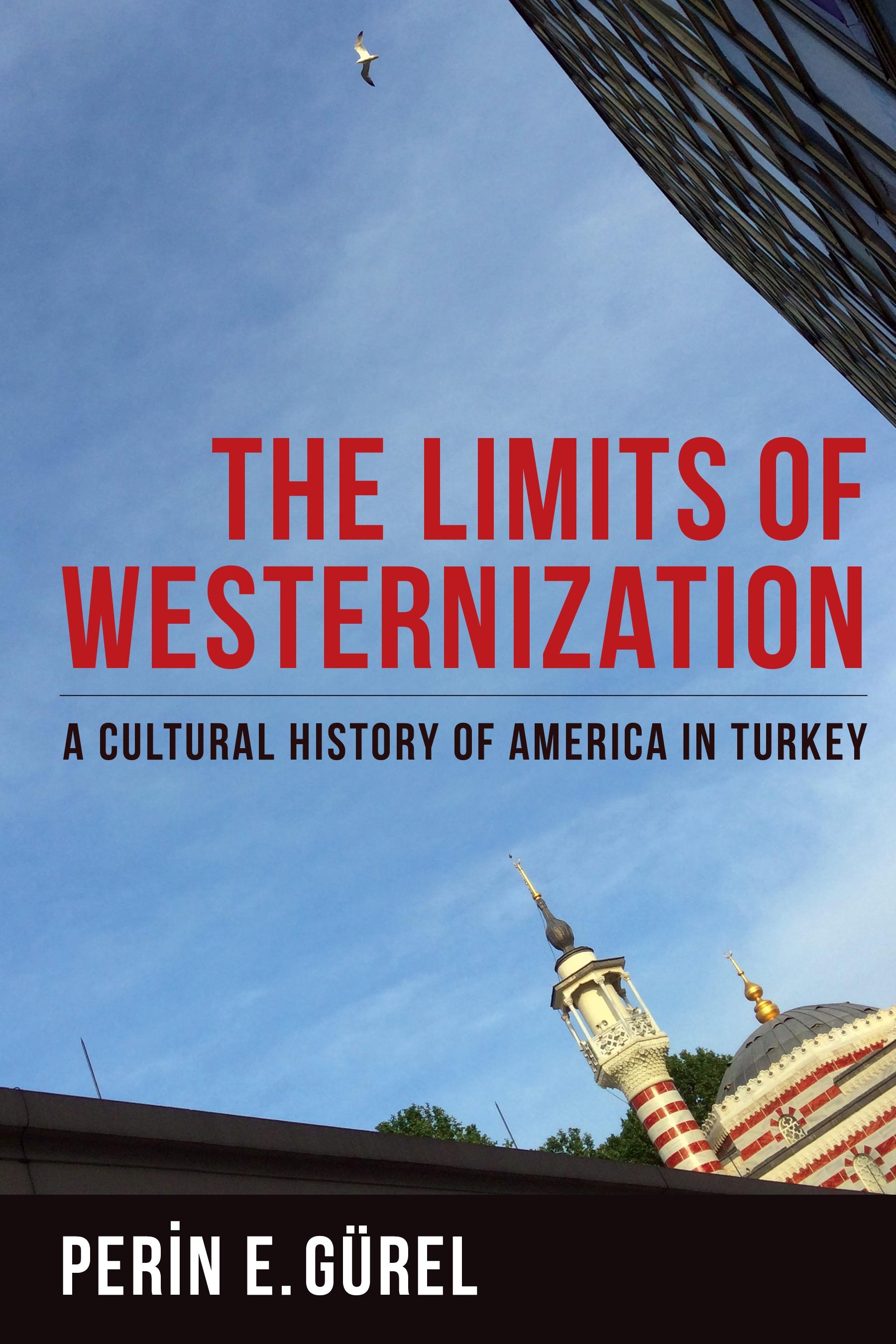
In a 2001 poll, Turks ranked the United States highest when asked: "Which country is Turkey's best friend in international relations?" When the pollsters reversed the question—"Which country is Turkey's number one enemy in international relations?"—the United States came in second. How did Turkey's citizens come to hold such opposing views simultaneously? In The Limits of Westernization, Perin E. Gürel explains this unique split and its echoes in contemporary U.S.-Turkey relations.
Using Turkish and English sources, Gürel maps the reaction of Turks to the rise of the United States as a world-ordering power in the twentieth century. As Turkey transitioned from an empire to a nation-state, the country's ruling elite projected "westernization" as a necessary and desirable force but also feared its cultural damage. Turkish stock figures and figures of speech represented America both as a good model for selective westernization and as a dangerous source of degeneration. At the same time, U.S. policy makers imagined Turkey from within their own civilization templates, first as the main figure of Oriental barbarism (i.e., "the terrible Turk"), then, during the Cold War, as good pupils of modernization theory. As the Cold War transitioned to the War on Terror, Turks rebelled against the new U.S.-made trope of the "moderate Muslim." Local artifacts of westernization—folk culture crossed with American cultural exports—and alternate projections of modernity became tinder for both Turkish anti-Americanism and resistance to state-led modernization projects.
The Limits of Westernization analyzes the complex local uses of "the West" to explain how the United States could become both the best and the worst in the Turkish political imagination. Gürel traces how ideas about westernization and America have influenced national history writing and policy making, as well as everyday affects and identities. Foregrounding shifting tropes about and from Turkey—a regional power that continues to dominate American visions for the "modernization" of the Middle East—Gürel also illuminates the transnational development of powerful political tropes, from "the Terrible Turk" to "the Islamic Terrorist."
Before Memmo my notes were scattered across PDFs. Now a workspace pulls everything into one place — I see exactly what's still left to study.
Memmo's summaries are gold before exams. I don't have to re-read 800 pages two weeks before — just the important parts.
The AI chat has saved me the night before an exam more than once. I just keep asking until I get it — no waiting on a study group to reply.
The quizzes hit exactly what I need to know. Memmo tracks what I get stuck on — so I only practice what's worth it.
Flashcards with spaced repetition are magic. Memmo knows when I'm about to forget something and brings it back.
The AI podcasts are my favorite. I listen on my way to school and get a recap without sitting at a computer.

Handbok i kvalitativa metoder
281 kr

Hållbar utveckling: en introduktion för ingenjörer och andra problemlösare
334 kr

Brymans Samhällsvetenskapliga metoder
390 kr

Projektledning
491 kr

Den orättvisa hälsan: om socioekonomiska skillnader i hälsa och livslängd
326 kr

Organizational Leadership
429 kr

Vetenskapsteori för nybörjare
196 kr

På väg mot läraryrket
172 kr

Det sociala livet i skolan: Socialpsykologiska perspektiv
253 kr

Betygsättningens didaktik
151 kr

Personality
402 kr

Studying Leadership
404 kr

Managing Innovation
477 kr

Introduktion till samhällsvetenskaplig metod
347 kr

The Psychology of Sex and Gender
698 kr

Evidens och kunskap för socialt arbete
207 kr

Introduction to Leadership
605 kr