
Before Memmo my notes were scattered across PDFs. Now a workspace pulls everything into one place — I see exactly what's still left to study.
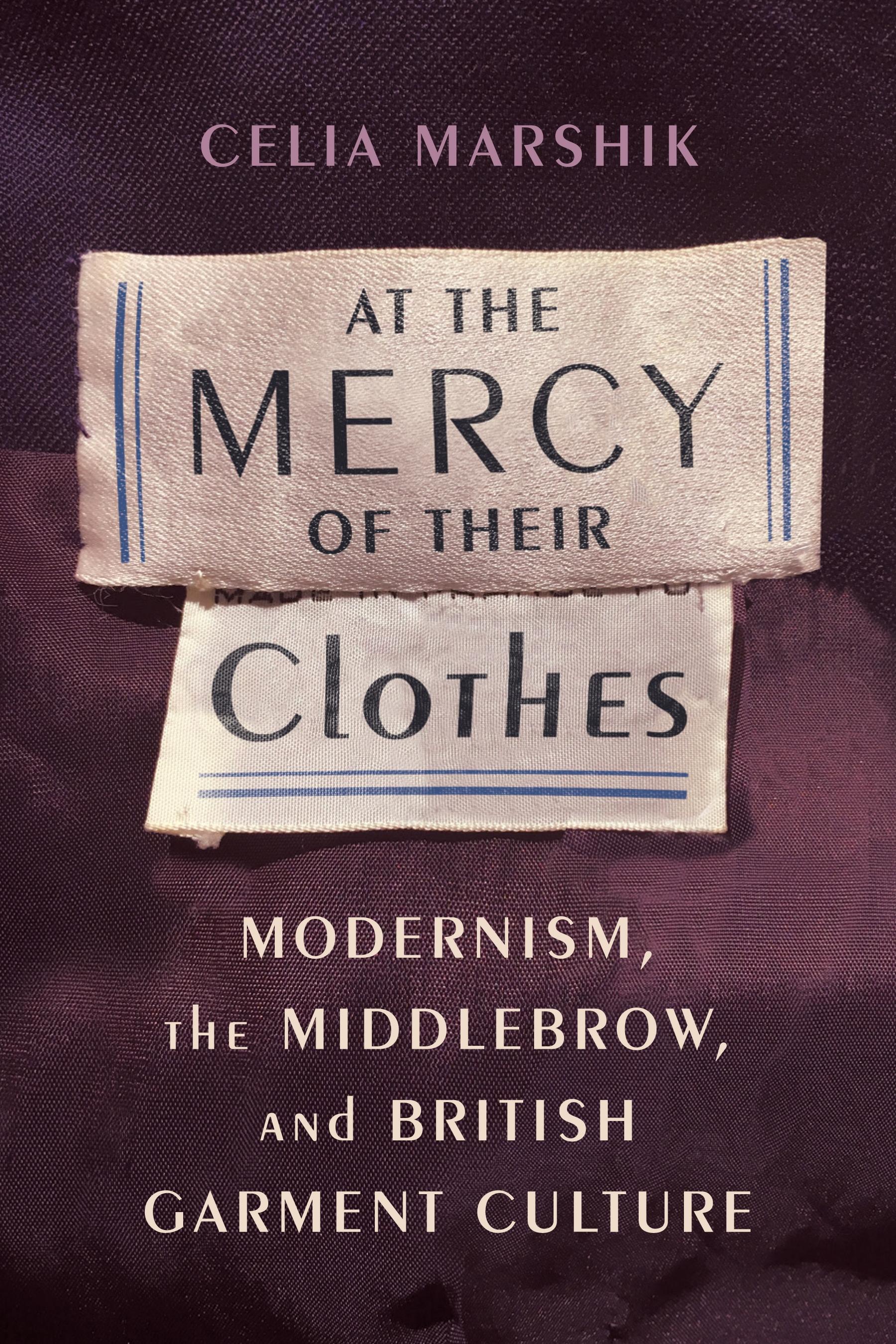
In much of modern fiction, it is the clothes that make the character. Garments embody personal and national histories. They convey wealth, status, aspiration, and morality (or a lack thereof). They suggest where characters have been and where they might be headed, as well as whether or not they are aware of their fate. At the Mercy of Their Clothes explores the agency of fashion in modern literature, its reflection of new relations between people and things, and its embodiment of a rapidly changing society confronted by war and cultural and economic upheaval. In some cases, people need garments to realize themselves. In other cases, the clothes control the person who wears them.
Celia Marshik's study combines close readings of modernist and middlebrow works, a history of Britain in the early twentieth century, and the insights of thing theory. She focuses on four distinct categories of modern clothing: the evening gown, the mackintosh, the fancy dress costume, and secondhand attire. In their use of these clothes, we see authors negotiate shifting gender roles, weigh the value of individuality during national conflict, work through mortality, and depict changing class structures. Marshik's dynamic comparisons put Ulysses in conversation with Rebecca, Punch cartoons, articles in Vogue, and letters from consumers, illuminating opinions about specific garments and a widespread anxiety that people were no more than what they wore. Throughout her readings, Marshik emphasizes the persistent animation of clothing—and objectification of individuals—in early-twentieth-century literature and society. She argues that while artists and intellectuals celebrated the ability of modern individuals to remake themselves, a range of literary works and popular publications points to a lingering anxiety about how political, social, and economic conditions continued to constrain the individual.
Before Memmo my notes were scattered across PDFs. Now a workspace pulls everything into one place — I see exactly what's still left to study.
Memmo's summaries are gold before exams. I don't have to re-read 800 pages two weeks before — just the important parts.
The AI chat has saved me the night before an exam more than once. I just keep asking until I get it — no waiting on a study group to reply.
The quizzes hit exactly what I need to know. Memmo tracks what I get stuck on — so I only practice what's worth it.
Flashcards with spaced repetition are magic. Memmo knows when I'm about to forget something and brings it back.
The AI podcasts are my favorite. I listen on my way to school and get a recap without sitting at a computer.

Handbok i kvalitativa metoder
281 kr

Hållbar utveckling: en introduktion för ingenjörer och andra problemlösare
334 kr

Brymans Samhällsvetenskapliga metoder
390 kr

Projektledning
491 kr

Den orättvisa hälsan: om socioekonomiska skillnader i hälsa och livslängd
326 kr

Vetenskapsteori för nybörjare
196 kr

Organizational Leadership
429 kr

På väg mot läraryrket
172 kr

Det sociala livet i skolan: Socialpsykologiska perspektiv
253 kr

Betygsättningens didaktik
151 kr

Personality
402 kr

Studying Leadership
404 kr

Managing Innovation
477 kr

Introduktion till samhällsvetenskaplig metod
347 kr

The Psychology of Sex and Gender
698 kr

Evidens och kunskap för socialt arbete
207 kr

Introduction to Leadership
605 kr