
Before Memmo my notes were scattered across PDFs. Now a workspace pulls everything into one place — I see exactly what's still left to study.
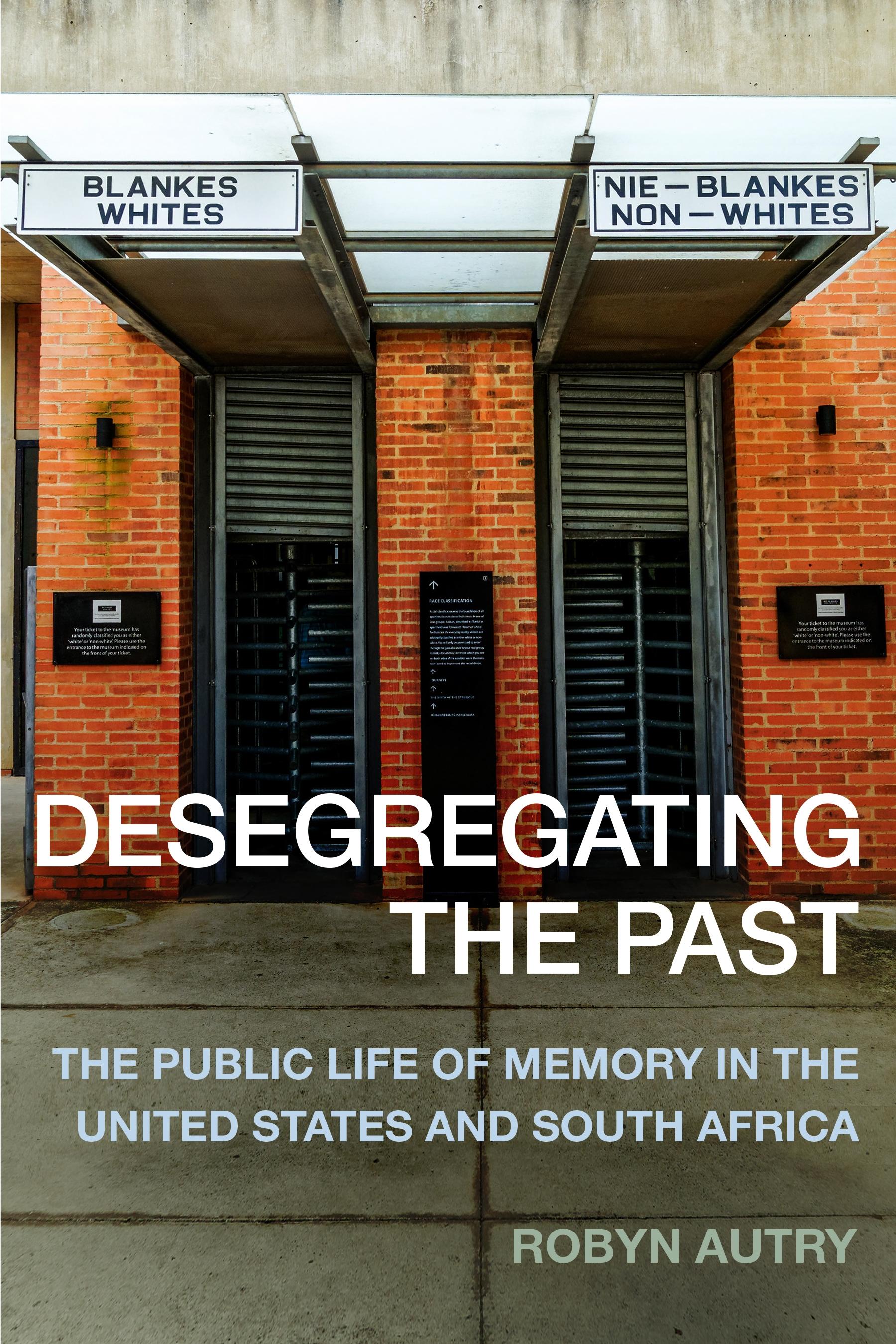
At the Apartheid Museum in Johannesburg, South Africa, visitors confront the past upon arrival. They must decide whether to enter the museum through a door marked "whites" or another marked "non-whites." Inside, along with text, they encounter hanging nooses and other reminders of apartheid-era atrocities. In the United States, museum exhibitions about racial violence and segregation are mostly confined to black history museums, with national history museums sidelining such difficult material. Even the Smithsonian's National Museum of African American History and Culture is dedicated not to violent histories of racial domination but to a more generalized narrative about black identity and culture. The scale at which violent racial pasts have been incorporated into South African national historical narratives is lacking in the U.S. Desegregating the Past considers why this is the case, tracking the production and display of historical representations of racial pasts at museums in both countries and what it reveals about underlying social anxieties, unsettled emotions, and aspirations surrounding contemporary social fault lines around race.
Robyn Autry consults museum archives, conducts interviews with staff, and recounts the public and private battles fought over the creation and content of history museums. Despite vast differences in the development of South African and U.S. society, Autry finds a common set of ideological, political, economic, and institutional dilemmas arising out of the selective reconstruction of the past. Museums have played a major role in shaping public memory, at times recognizing and at other times blurring the ongoing influence of historical crimes. The narratives museums produce to engage with difficult, violent histories expose present anxieties concerning identity, (mis)recognition, and ongoing conflict.
Before Memmo my notes were scattered across PDFs. Now a workspace pulls everything into one place — I see exactly what's still left to study.
Memmo's summaries are gold before exams. I don't have to re-read 800 pages two weeks before — just the important parts.
The AI chat has saved me the night before an exam more than once. I just keep asking until I get it — no waiting on a study group to reply.
The quizzes hit exactly what I need to know. Memmo tracks what I get stuck on — so I only practice what's worth it.
Flashcards with spaced repetition are magic. Memmo knows when I'm about to forget something and brings it back.
The AI podcasts are my favorite. I listen on my way to school and get a recap without sitting at a computer.

Handbok i kvalitativa metoder
281 kr

Hållbar utveckling: en introduktion för ingenjörer och andra problemlösare
334 kr

Brymans Samhällsvetenskapliga metoder
390 kr

Projektledning
491 kr

Den orättvisa hälsan: om socioekonomiska skillnader i hälsa och livslängd
326 kr

Vetenskapsteori för nybörjare
196 kr

Organizational Leadership
429 kr

På väg mot läraryrket
172 kr

Det sociala livet i skolan: Socialpsykologiska perspektiv
253 kr

Betygsättningens didaktik
151 kr

Personality
402 kr

Studying Leadership
404 kr

Managing Innovation
477 kr

Introduktion till samhällsvetenskaplig metod
347 kr

The Psychology of Sex and Gender
698 kr

Evidens och kunskap för socialt arbete
207 kr

Introduction to Leadership
605 kr