
Before Memmo my notes were scattered across PDFs. Now a workspace pulls everything into one place — I see exactly what's still left to study.
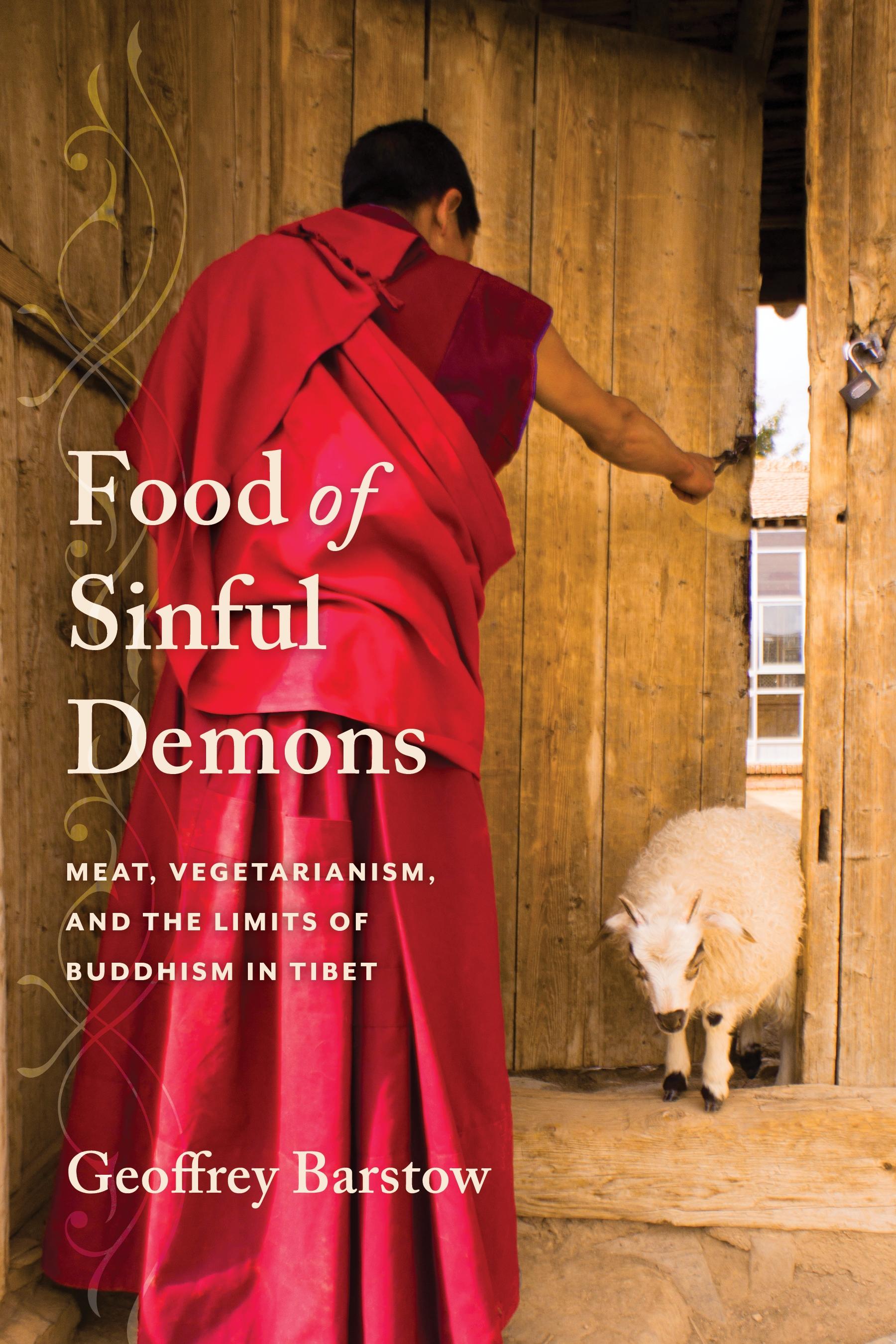
Tibetan Buddhism teaches compassion toward all beings, a category that explicitly includes animals. Slaughtering animals is morally problematic at best and, at worst, completely incompatible with a religious lifestyle. Yet historically most Tibetans—both monastic and lay—have made meat a regular part of their diet. In this study of the place of vegetarianism within Tibetan religiosity, Geoffrey Barstow explores the tension between Buddhist ethics and Tibetan cultural norms to offer a novel perspective on the spiritual and social dimensions of meat eating.
Food of Sinful Demons shows the centrality of vegetarianism to the cultural history of Tibet through specific ways in which nonreligious norms and ideals shaped religious beliefs and practices. Barstow offers a detailed analysis of the debates over meat eating and vegetarianism, from the first references to such a diet in the tenth century through the Chinese invasion in the 1950s. He discusses elements of Tibetan Buddhist thought—including monastic vows, the Buddhist call to compassion, and tantric antinomianism—that see meat eating as morally problematic. He then looks beyond religious attitudes to examine the cultural, economic, and environmental factors that oppose the Buddhist critique of meat, including Tibetan concepts of medicine and health, food scarcity, the display of wealth, and idealized male gender roles. Barstow argues that the issue of meat eating was influenced by a complex interplay of factors, with religious perspectives largely supporting vegetarianism while practical concerns and secular ideals pulled in the other direction. He concludes by addressing the surge in vegetarianism in contemporary Tibet in light of evolving notions of Tibetan identity and resistance against the central Chinese state. The first book to discuss this complex issue, Food of Sinful Demons is essential reading for scholars interested in Tibetan religion, history, and culture as well as global food history.
Before Memmo my notes were scattered across PDFs. Now a workspace pulls everything into one place — I see exactly what's still left to study.
Memmo's summaries are gold before exams. I don't have to re-read 800 pages two weeks before — just the important parts.
The AI chat has saved me the night before an exam more than once. I just keep asking until I get it — no waiting on a study group to reply.
The quizzes hit exactly what I need to know. Memmo tracks what I get stuck on — so I only practice what's worth it.
Flashcards with spaced repetition are magic. Memmo knows when I'm about to forget something and brings it back.
The AI podcasts are my favorite. I listen on my way to school and get a recap without sitting at a computer.

Handbok i kvalitativa metoder
281 kr

Hållbar utveckling: en introduktion för ingenjörer och andra problemlösare
334 kr

Brymans Samhällsvetenskapliga metoder
390 kr

Projektledning
491 kr

Den orättvisa hälsan: om socioekonomiska skillnader i hälsa och livslängd
326 kr

Vetenskapsteori för nybörjare
196 kr

Organizational Leadership
429 kr

På väg mot läraryrket
172 kr

Det sociala livet i skolan: Socialpsykologiska perspektiv
253 kr

Betygsättningens didaktik
151 kr

Personality
402 kr

Studying Leadership
404 kr

Managing Innovation
477 kr

Introduktion till samhällsvetenskaplig metod
347 kr

The Psychology of Sex and Gender
698 kr

Evidens och kunskap för socialt arbete
207 kr

Introduction to Leadership
605 kr