
Before Memmo my notes were scattered across PDFs. Now a workspace pulls everything into one place — I see exactly what's still left to study.
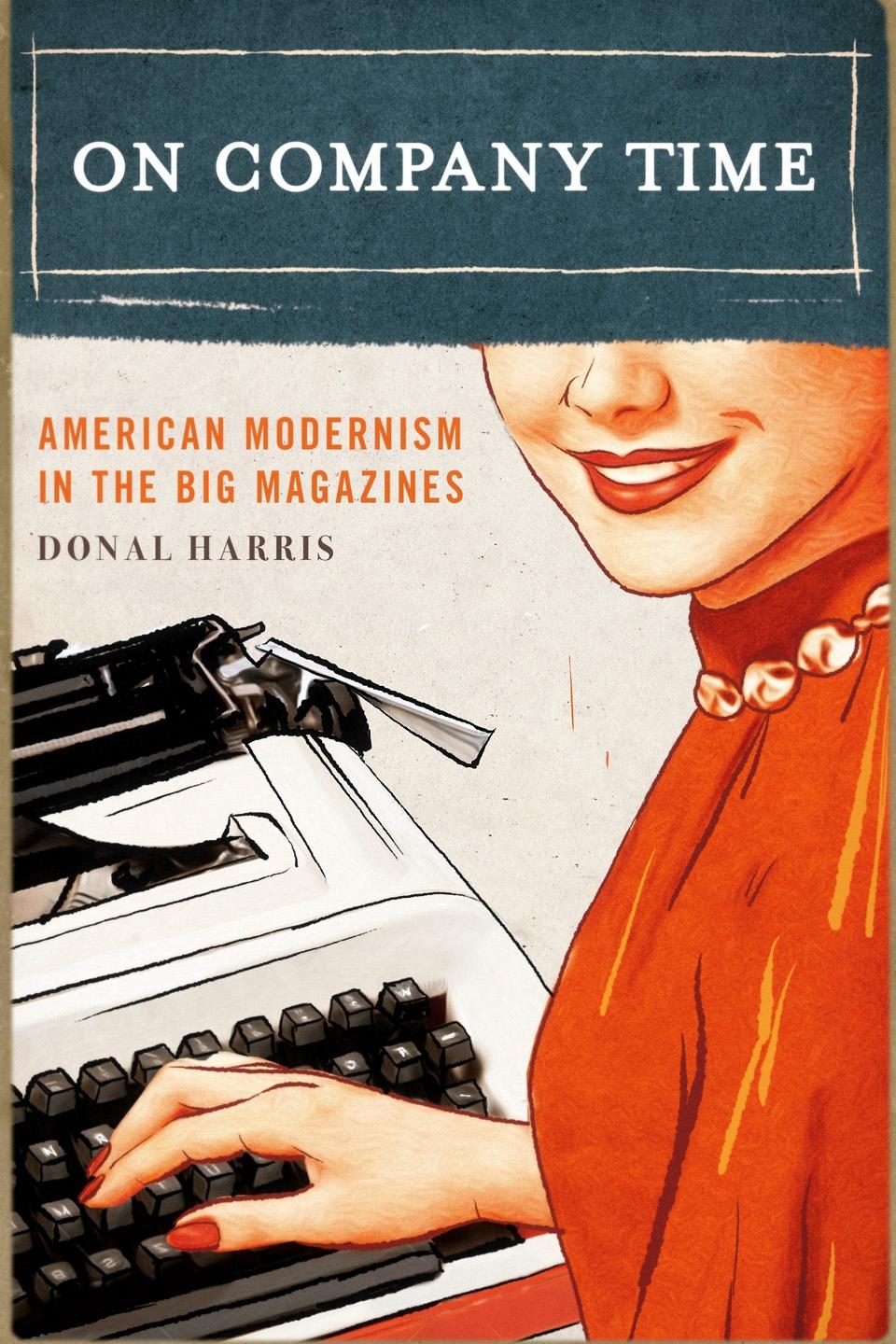
American novelists and poets who came of age in the early twentieth century were taught to avoid journalism "like wet sox and gin before breakfast." It dulled creativity, rewarded sensationalist content, and stole time from "serious" writing. Yet Willa Cather, W. E. B. Du Bois, Jessie Fauset, James Agee, T. S. Eliot, and Ernest Hemingway all worked in the editorial offices of groundbreaking popular magazines and helped to invent the house styles that defined McClure's, The Crisis, Time, Life, Esquire, and others. On Company Time tells the story of American modernism from inside the offices and on the pages of the most successful and stylish magazines of the twentieth century. Working across the borders of media history, the sociology of literature, print culture, and literary studies, Donal Harris draws out the profound institutional, economic, and aesthetic affiliations between modernism and American magazine culture.
Starting in the 1890s, a growing number of writers found steady paychecks and regular publishing opportunities as editors and reporters at big magazines. Often privileging innovative style over late-breaking content, these magazines prized novelists and poets for their innovation and attention to literary craft. In recounting this history, On Company Time challenges the narrative of decline that often accompanies modernism's incorporation into midcentury middlebrow culture. Its integrated account of literary and journalistic form shows American modernism evolving within as opposed to against mass print culture. Harris's work also provides an understanding of modernism that extends beyond narratives centered on little magazines and other "institutions of modernism" that served narrow audiences. And for the writers, the "double life" of working for these magazines shaped modernism's literary form and created new models of authorship.
Before Memmo my notes were scattered across PDFs. Now a workspace pulls everything into one place — I see exactly what's still left to study.
Memmo's summaries are gold before exams. I don't have to re-read 800 pages two weeks before — just the important parts.
The AI chat has saved me the night before an exam more than once. I just keep asking until I get it — no waiting on a study group to reply.
The quizzes hit exactly what I need to know. Memmo tracks what I get stuck on — so I only practice what's worth it.
Flashcards with spaced repetition are magic. Memmo knows when I'm about to forget something and brings it back.
The AI podcasts are my favorite. I listen on my way to school and get a recap without sitting at a computer.

Handbok i kvalitativa metoder
281 kr

Hållbar utveckling: en introduktion för ingenjörer och andra problemlösare
334 kr

Brymans Samhällsvetenskapliga metoder
390 kr

Projektledning
491 kr

Den orättvisa hälsan: om socioekonomiska skillnader i hälsa och livslängd
326 kr

Organizational Leadership
429 kr

Vetenskapsteori för nybörjare
196 kr

På väg mot läraryrket
172 kr

Det sociala livet i skolan: Socialpsykologiska perspektiv
253 kr

Betygsättningens didaktik
151 kr

Personality
402 kr

Studying Leadership
404 kr

Managing Innovation
477 kr

Introduktion till samhällsvetenskaplig metod
347 kr

The Psychology of Sex and Gender
698 kr

Evidens och kunskap för socialt arbete
207 kr

Introduction to Leadership
605 kr