
Before Memmo my notes were scattered across PDFs. Now a workspace pulls everything into one place — I see exactly what's still left to study.
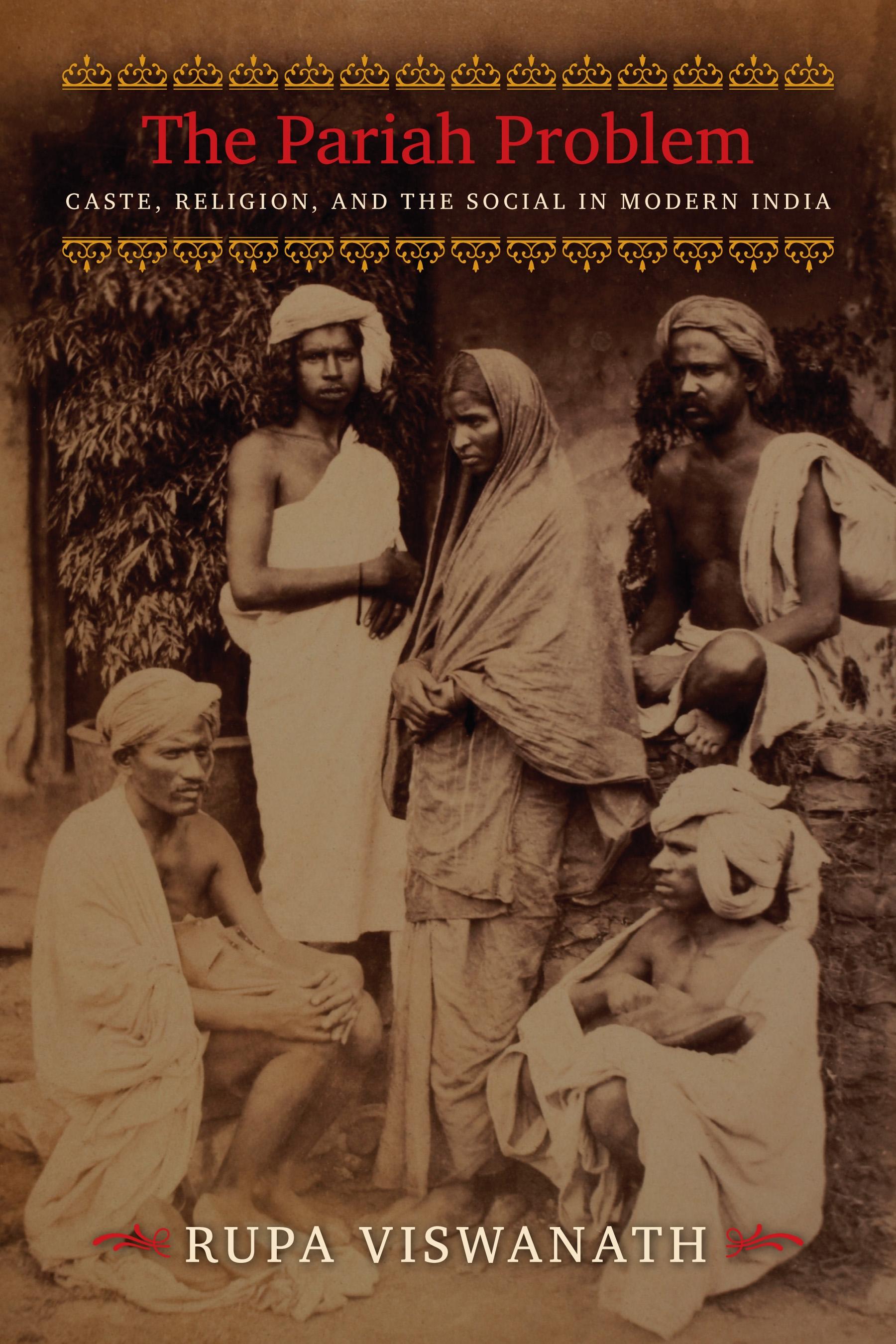
Once known as "Pariahs," Dalits are primarily descendants of unfree agrarian laborers. They belong to India's most subordinated castes, face overwhelming poverty and discrimination, and provoke public anxiety. Drawing on a wealth of previously untapped sources, this book follows the conception and evolution of the "Pariah Problem" in public consciousness in the 1890s. It shows how high-caste landlords, state officials, and well-intentioned missionaries conceived of Dalit oppression, and effectively foreclosed the emergence of substantive solutions to the "Problem"—with consequences that continue to be felt today.
Rupa Viswanath begins with a description of the everyday lives of Dalit laborers in the 1890s and highlights the systematic efforts made by the state and Indian elites to protect Indian slavery from public scrutiny. Protestant missionaries were the first non-Dalits to draw attention to their plight. The missionaries' vision of the Pariahs' suffering as being a result of Hindu religious prejudice, however, obscured the fact that the entire agrarian political–economic system depended on unfree Pariah labor. Both the Indian public and colonial officials came to share a view compatible with missionary explanations, which meant all subsequent welfare efforts directed at Dalits focused on religious and social transformation rather than on structural reform. Methodologically, theoretically, and empirically, this book breaks new ground to demonstrate how events in the early decades of state-sponsored welfare directed at Dalits laid the groundwork for the present day, where the postcolonial state and well-meaning social and religious reformers continue to downplay Dalits' landlessness, violent suppression, and political subordination.
Before Memmo my notes were scattered across PDFs. Now a workspace pulls everything into one place — I see exactly what's still left to study.
Memmo's summaries are gold before exams. I don't have to re-read 800 pages two weeks before — just the important parts.
The AI chat has saved me the night before an exam more than once. I just keep asking until I get it — no waiting on a study group to reply.
The quizzes hit exactly what I need to know. Memmo tracks what I get stuck on — so I only practice what's worth it.
Flashcards with spaced repetition are magic. Memmo knows when I'm about to forget something and brings it back.
The AI podcasts are my favorite. I listen on my way to school and get a recap without sitting at a computer.

Handbok i kvalitativa metoder
281 kr

Hållbar utveckling: en introduktion för ingenjörer och andra problemlösare
334 kr

Brymans Samhällsvetenskapliga metoder
390 kr

Projektledning
491 kr

Den orättvisa hälsan: om socioekonomiska skillnader i hälsa och livslängd
326 kr

Organizational Leadership
429 kr

Vetenskapsteori för nybörjare
196 kr

På väg mot läraryrket
172 kr

Det sociala livet i skolan: Socialpsykologiska perspektiv
253 kr

Betygsättningens didaktik
151 kr

Personality
402 kr

Studying Leadership
404 kr

Managing Innovation
477 kr

Introduktion till samhällsvetenskaplig metod
347 kr

The Psychology of Sex and Gender
698 kr

Evidens och kunskap för socialt arbete
207 kr

Introduction to Leadership
605 kr