
Before Memmo my notes were scattered across PDFs. Now a workspace pulls everything into one place — I see exactly what's still left to study.
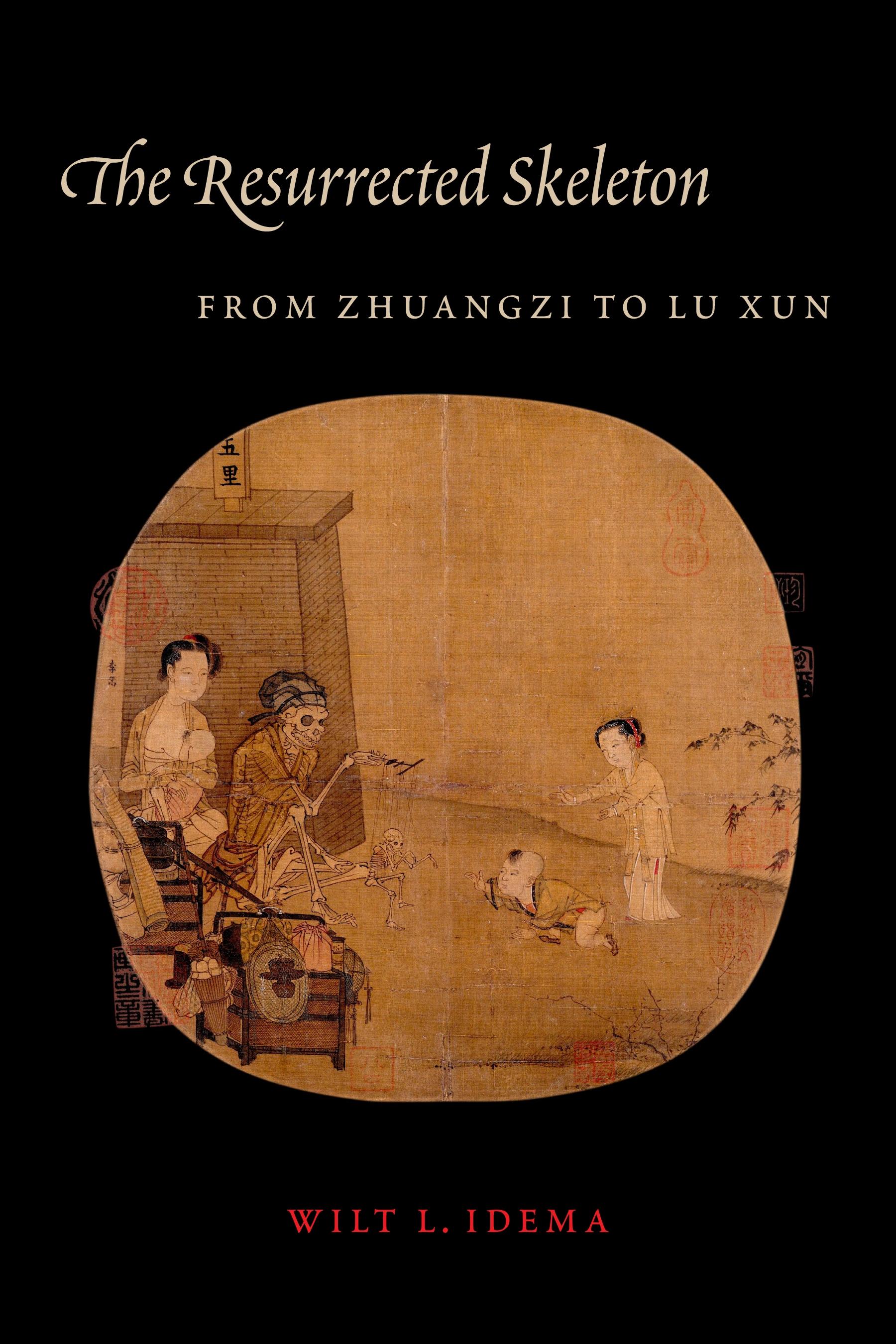
The early Chinese text Master Zhuang (Zhuangzi) is well known for its relativistic philosophy and colorful anecdotes. In the work, Zhuang Zhou ca. 300 B.C.E.) dreams that he is a butterfly and wonders, upon awaking, if he in fact dreamed that he was a butterfly or if the butterfly is now dreaming that it is Zhuang Zhou. The text also recounts Master Zhuang's encounter with a skull, which praises the pleasures of death over the toil of living. This anecdote became popular with Chinese poets of the second and third century C.E. and found renewed significance with the founders of Quanzhen Daoism in the twelfth century.
The Quanzhen masters transformed the skull into a skeleton and treated the object as a metonym for death and a symbol of the refusal of enlightenment. Later preachers made further revisions, adding Master Zhuang's resurrection of the skeleton, a series of accusations made by the skeleton against the philosopher, and the enlightenment of the magistrate who judges their case. The legend of the skeleton was widely popular throughout the Ming dynasty (1368–1644), and the fiction writer Lu Xun (1881–1936) reimagined it in the modern era. The first book in English to trace the development of the legend and its relationship to centuries of change in Chinese philosophy and culture, The Resurrected Skeleton translates and contextualizes the story's major adaptations and draws parallels with the Muslim legend of Jesus's encounter with a skull and the European tradition of the Dance of Death. Translated works include versions of the legend in the form of popular ballads and plays, together with Lu Xun's short story of the 1930s, underlining the continuity between traditional and modern Chinese culture.
Before Memmo my notes were scattered across PDFs. Now a workspace pulls everything into one place — I see exactly what's still left to study.
Memmo's summaries are gold before exams. I don't have to re-read 800 pages two weeks before — just the important parts.
The AI chat has saved me the night before an exam more than once. I just keep asking until I get it — no waiting on a study group to reply.
The quizzes hit exactly what I need to know. Memmo tracks what I get stuck on — so I only practice what's worth it.
Flashcards with spaced repetition are magic. Memmo knows when I'm about to forget something and brings it back.
The AI podcasts are my favorite. I listen on my way to school and get a recap without sitting at a computer.

Handbok i kvalitativa metoder
281 kr

Hållbar utveckling: en introduktion för ingenjörer och andra problemlösare
334 kr

Brymans Samhällsvetenskapliga metoder
390 kr

Projektledning
491 kr

Den orättvisa hälsan: om socioekonomiska skillnader i hälsa och livslängd
326 kr

Organizational Leadership
429 kr

Vetenskapsteori för nybörjare
196 kr

På väg mot läraryrket
172 kr

Det sociala livet i skolan: Socialpsykologiska perspektiv
253 kr

Betygsättningens didaktik
151 kr

Personality
402 kr

Studying Leadership
404 kr

Managing Innovation
477 kr

Introduktion till samhällsvetenskaplig metod
347 kr

The Psychology of Sex and Gender
698 kr

Evidens och kunskap för socialt arbete
207 kr

Introduction to Leadership
605 kr