
Before Memmo my notes were scattered across PDFs. Now a workspace pulls everything into one place — I see exactly what's still left to study.
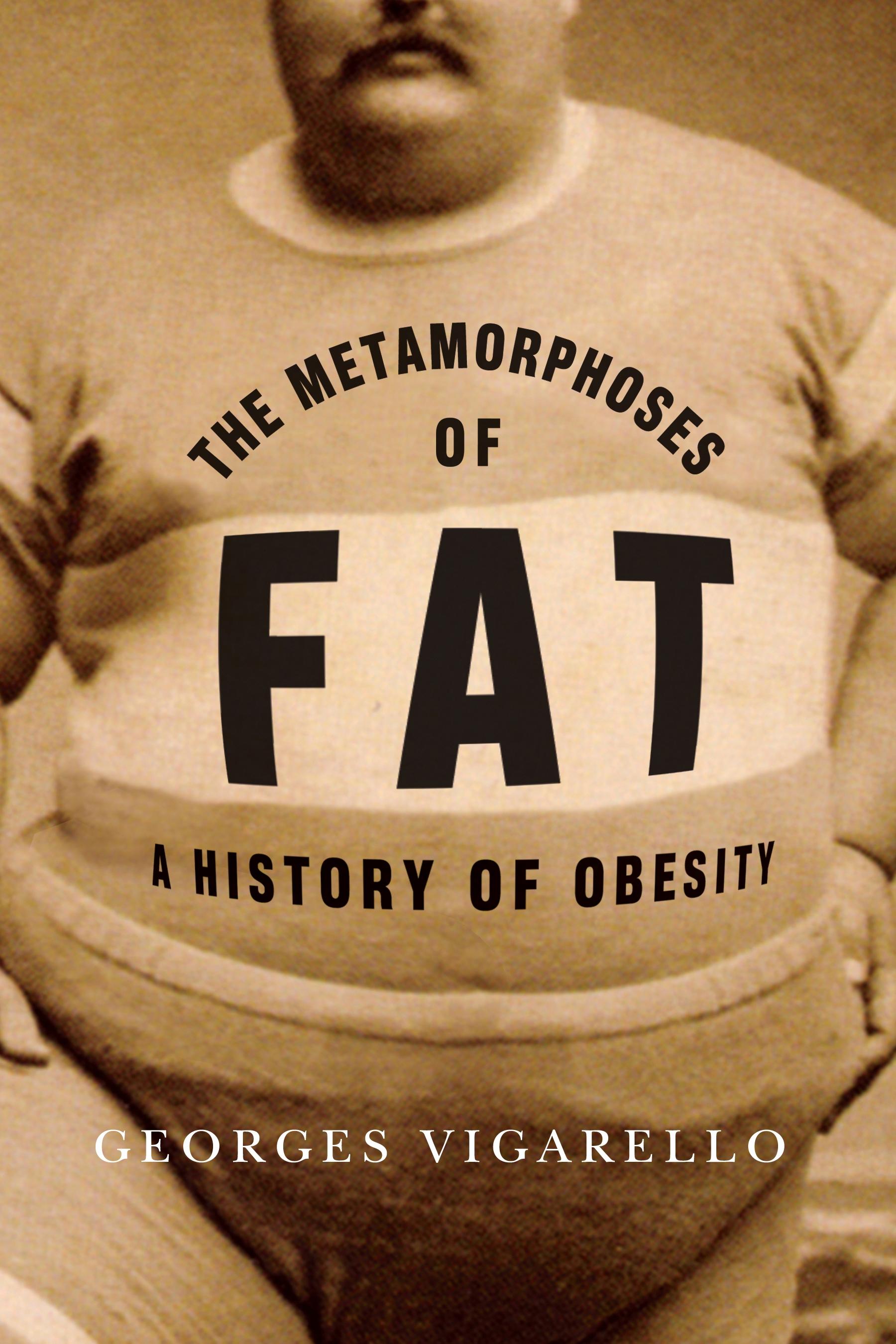
Georges Vigarello maps the evolution of Western ideas about fat and fat people from the Middle Ages to the present, paying particular attention to the role of science, fashion, fitness crazes, and public health campaigns in shaping these views. While hefty bodies were once a sign of power, today those who struggle to lose weight are considered poor in character and weak in mind. Vigarello traces the eventual equation of fatness with infirmity and the way we have come to define ourselves and others in terms of body type.
Vigarello begins with the medieval artists and intellectuals who treated heavy bodies as symbols of force and prosperity. He then follows the shift during the Renaissance and early modern period to courtly, medical, and religious codes that increasingly favored moderation and discouraged excess. Scientific advances in the eighteenth century also brought greater knowledge of food and the body's processes, recasting fatness as the "relaxed" antithesis of health. The body-as-mechanism metaphor intensified in the early nineteenth century, with the chemistry revolution and heightened attention to food-as-fuel, which turned the body into a kind of furnace or engine. During this period, social attitudes toward fat became conflicted, with the bourgeois male belly operating as a sign of prestige but also as a symbol of greed and exploitation, while the overweight female was admired only if she was working class. Vigarello concludes with the fitness and body-conscious movements of the twentieth century and the proliferation of personal confessions about obesity, which tied fat more closely to notions of personality, politics, taste, and class.
Before Memmo my notes were scattered across PDFs. Now a workspace pulls everything into one place — I see exactly what's still left to study.
Memmo's summaries are gold before exams. I don't have to re-read 800 pages two weeks before — just the important parts.
The AI chat has saved me the night before an exam more than once. I just keep asking until I get it — no waiting on a study group to reply.
The quizzes hit exactly what I need to know. Memmo tracks what I get stuck on — so I only practice what's worth it.
Flashcards with spaced repetition are magic. Memmo knows when I'm about to forget something and brings it back.
The AI podcasts are my favorite. I listen on my way to school and get a recap without sitting at a computer.

Handbok i kvalitativa metoder
281 kr

Hållbar utveckling: en introduktion för ingenjörer och andra problemlösare
334 kr

Brymans Samhällsvetenskapliga metoder
390 kr

Projektledning
491 kr

Den orättvisa hälsan: om socioekonomiska skillnader i hälsa och livslängd
326 kr

Vetenskapsteori för nybörjare
196 kr

Organizational Leadership
429 kr

På väg mot läraryrket
172 kr

Det sociala livet i skolan: Socialpsykologiska perspektiv
253 kr

Betygsättningens didaktik
151 kr

Personality
402 kr

Studying Leadership
404 kr

Managing Innovation
477 kr

Introduktion till samhällsvetenskaplig metod
347 kr

The Psychology of Sex and Gender
698 kr

Evidens och kunskap för socialt arbete
207 kr

Introduction to Leadership
605 kr