
Before Memmo my notes were scattered across PDFs. Now a workspace pulls everything into one place — I see exactly what's still left to study.
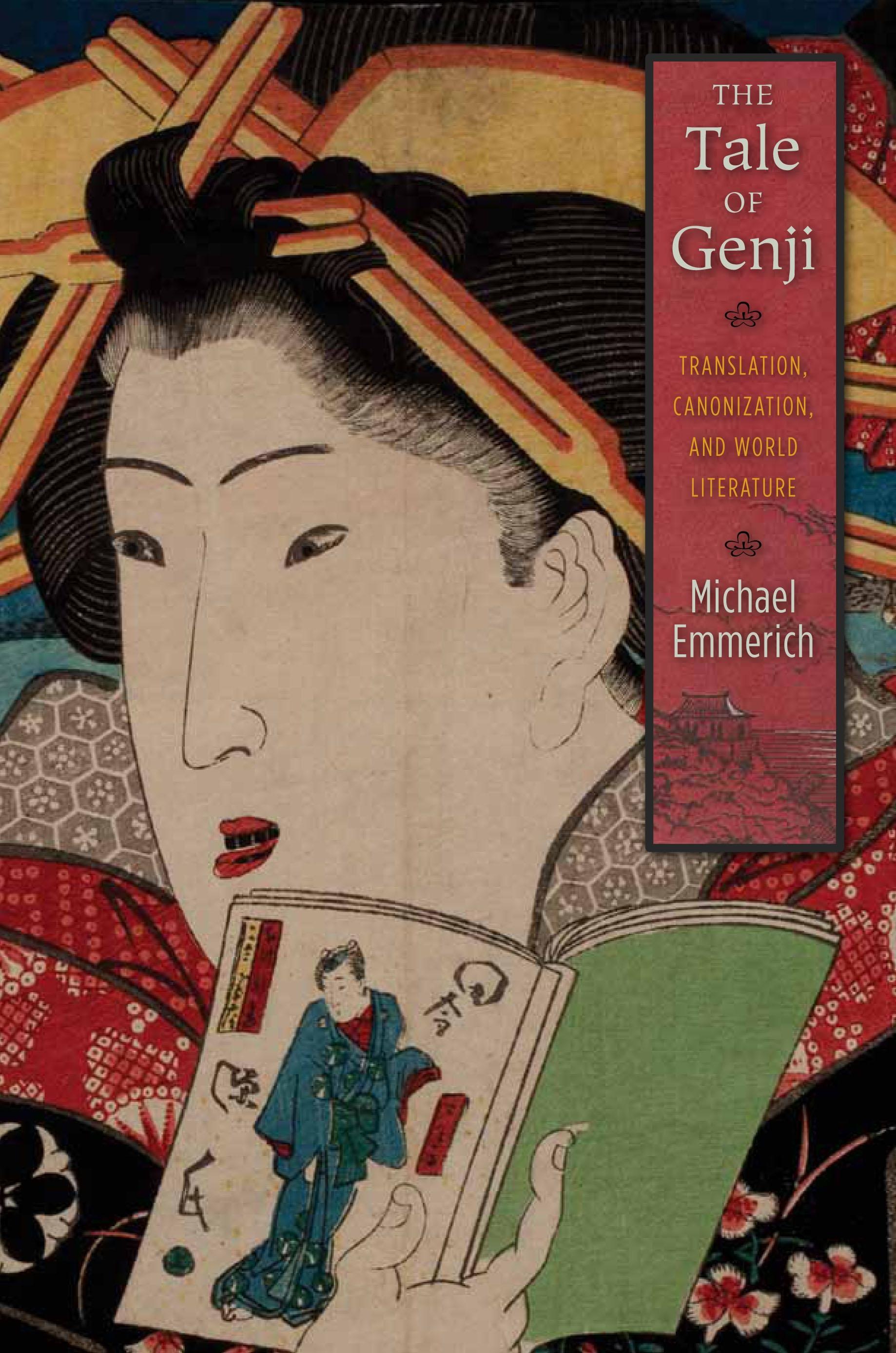
Michael Emmerich thoroughly revises the conventional narrative of the early modern and modern history of The Tale of Genji. Exploring iterations of the work from the 1830s to the 1950s, he demonstrates how translations and the global circulation of discourse they inspired turned The Tale of Genji into a widely read classic, reframing our understanding of its significance and influence and of the processes that have canonized the text.
Emmerich begins with an analysis of the lavishly produced best seller Nise Murasaki inaka Genji (A Fraudulent Murasaki's Bumpkin Genji, 1829–1842), an adaptation of Genji written and designed by Ryutei Tanehiko, with pictures by the great print artist Utagawa Kunisada. He argues that this work introduced Genji to a popular Japanese audience and created a new mode of reading. He then considers movable-type editions of Inaka Genji from 1888 to 1928, connecting trends in print technology and publishing to larger developments in national literature and showing how the one-time best seller became obsolete.
The study subsequently traces Genji's reemergence as a classic on a global scale, following its acceptance into the canon of world literature before the text gained popularity in Japan. It concludes with Genji's becoming a "national classic" during World War II and reviews an important postwar challenge to reading the work after it attained this status. Through his sustained critique, Emmerich upends scholarship on Japan's preeminent classic while remaking theories of world literature, continuity, and community.
Before Memmo my notes were scattered across PDFs. Now a workspace pulls everything into one place — I see exactly what's still left to study.
Memmo's summaries are gold before exams. I don't have to re-read 800 pages two weeks before — just the important parts.
The AI chat has saved me the night before an exam more than once. I just keep asking until I get it — no waiting on a study group to reply.
The quizzes hit exactly what I need to know. Memmo tracks what I get stuck on — so I only practice what's worth it.
Flashcards with spaced repetition are magic. Memmo knows when I'm about to forget something and brings it back.
The AI podcasts are my favorite. I listen on my way to school and get a recap without sitting at a computer.

Handbok i kvalitativa metoder
281 kr

Hållbar utveckling: en introduktion för ingenjörer och andra problemlösare
334 kr

Brymans Samhällsvetenskapliga metoder
390 kr

Projektledning
491 kr

Den orättvisa hälsan: om socioekonomiska skillnader i hälsa och livslängd
326 kr

Organizational Leadership
429 kr

Vetenskapsteori för nybörjare
196 kr

På väg mot läraryrket
172 kr

Det sociala livet i skolan: Socialpsykologiska perspektiv
253 kr

Betygsättningens didaktik
151 kr

Personality
402 kr

Studying Leadership
404 kr

Managing Innovation
477 kr

Introduktion till samhällsvetenskaplig metod
347 kr

The Psychology of Sex and Gender
698 kr

Evidens och kunskap för socialt arbete
207 kr

Introduction to Leadership
605 kr