
Before Memmo my notes were scattered across PDFs. Now a workspace pulls everything into one place — I see exactly what's still left to study.
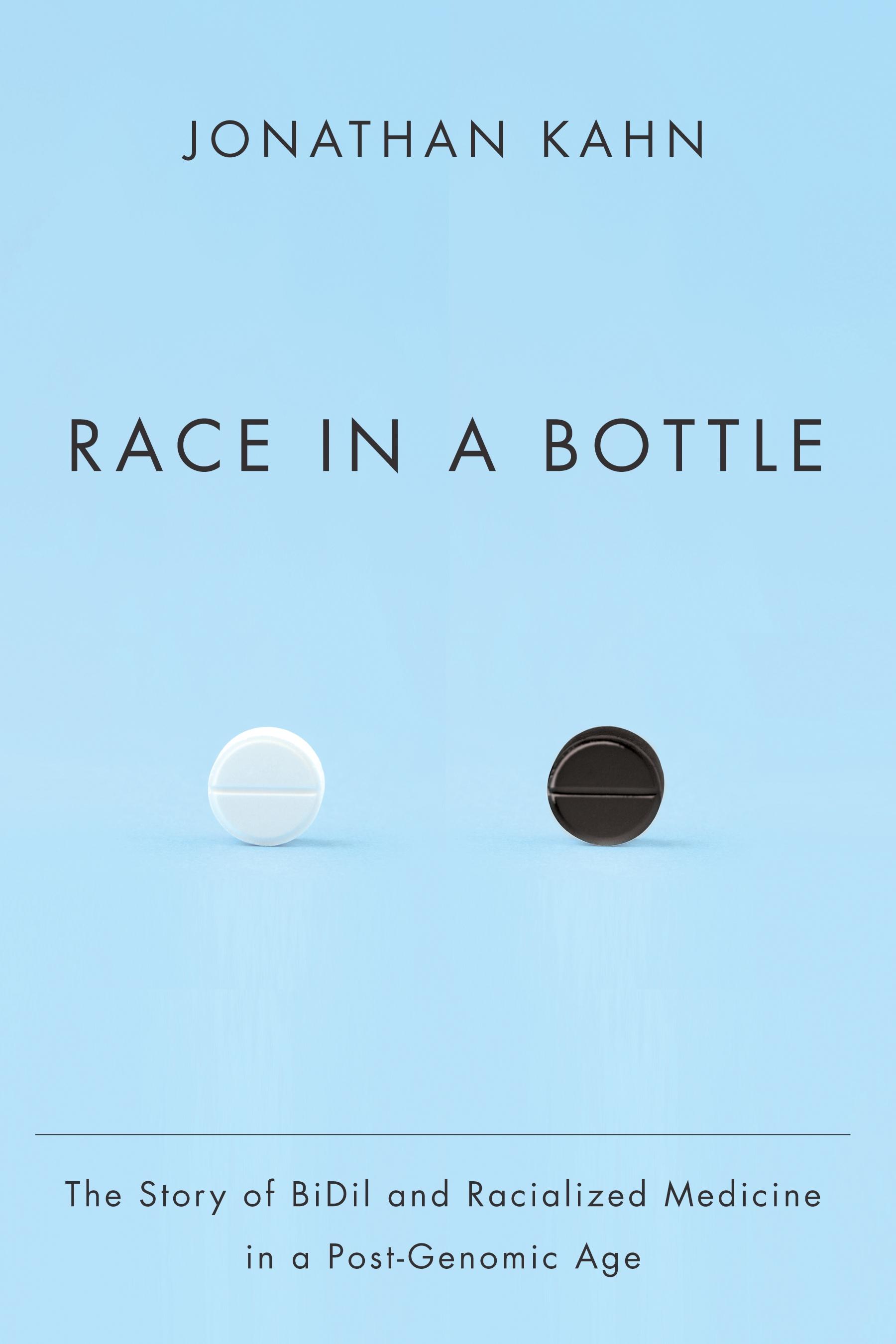
At a ceremony announcing the completion of the first draft of the human genome in 2000, President Bill Clinton declared, "I believe one of the great truths to emerge from this triumphant expedition inside the human genome is that in genetic terms, all human beings, regardless of race, are more than 99.9 percent the same." Yet despite this declaration of unity, biomedical research has focused increasingly on mapping that.1 percent of difference, particularly as it relates to race.
This trend is exemplified by the drug BiDil. Approved by the FDA in 2005 as the first drug with a race-specific indication on its label, BiDil was originally touted as a pathbreaking therapy to treat heart failure in black patients and help underserved populations. Upon closer examination, however, Jonathan Kahn reveals a far more complex story. At the most basic level, BiDil became racial through legal maneuvering and commercial pressure as much as through medical understandings of how the drug worked.
Using BiDil as a central case study, Kahn broadly examines the legal and commercial imperatives driving the expanding role of race in biomedicine, even as scientific advances in genomics could render the issue irrelevant. He surveys the distinct politics informing the use of race in medicine and the very real health disparities caused by racism and social injustice that are now being cast as a mere function of genetic difference. Calling for a more reasoned approach to using race in biomedical research and practice, Kahn asks readers to recognize that, just as genetics is a complex field requiring sensitivity and expertise, so too is race, particularly in the field of biomedicine.
Before Memmo my notes were scattered across PDFs. Now a workspace pulls everything into one place — I see exactly what's still left to study.
Memmo's summaries are gold before exams. I don't have to re-read 800 pages two weeks before — just the important parts.
The AI chat has saved me the night before an exam more than once. I just keep asking until I get it — no waiting on a study group to reply.
The quizzes hit exactly what I need to know. Memmo tracks what I get stuck on — so I only practice what's worth it.
Flashcards with spaced repetition are magic. Memmo knows when I'm about to forget something and brings it back.
The AI podcasts are my favorite. I listen on my way to school and get a recap without sitting at a computer.

Handbok i kvalitativa metoder
281 kr

Hållbar utveckling: en introduktion för ingenjörer och andra problemlösare
334 kr

Brymans Samhällsvetenskapliga metoder
390 kr

Projektledning
491 kr

Den orättvisa hälsan: om socioekonomiska skillnader i hälsa och livslängd
326 kr

Vetenskapsteori för nybörjare
196 kr

Organizational Leadership
429 kr

På väg mot läraryrket
172 kr

Det sociala livet i skolan: Socialpsykologiska perspektiv
253 kr

Betygsättningens didaktik
151 kr

Personality
402 kr

Studying Leadership
404 kr

Managing Innovation
477 kr

Introduktion till samhällsvetenskaplig metod
347 kr

The Psychology of Sex and Gender
698 kr

Evidens och kunskap för socialt arbete
207 kr

Introduction to Leadership
605 kr