
Before Memmo my notes were scattered across PDFs. Now a workspace pulls everything into one place — I see exactly what's still left to study.
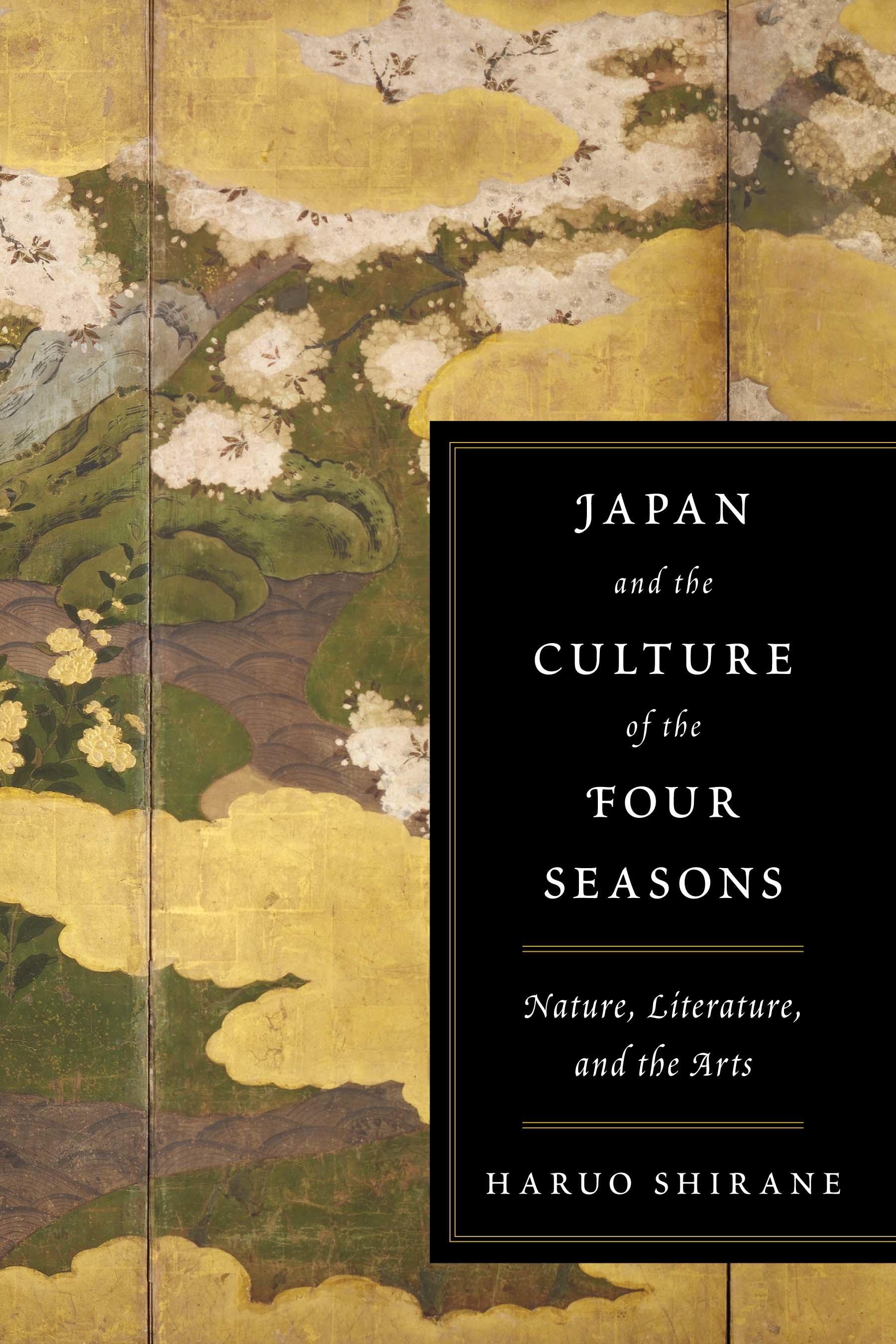
Elegant representations of nature and the four seasons populate a wide range of Japanese genres and media—from poetry and screen painting to tea ceremonies, flower arrangements, and annual observances. In Japan and the Culture of the Four Seasons, Haruo Shirane shows how, when, and why this practice developed and explicates the richly encoded social, religious, and political meanings of this imagery.
Refuting the belief that this tradition reflects Japan's agrarian origins and supposedly mild climate, Shirane traces the establishment of seasonal topics to the poetry composed by the urban nobility in the eighth century. After becoming highly codified and influencing visual arts in the tenth and eleventh centuries, the seasonal topics and their cultural associations evolved and spread to other genres, eventually settling in the popular culture of the early modern period. Contrasted with the elegant images of nature derived from court poetry was the agrarian view of nature based on rural life. The two landscapes began to intersect in the medieval period, creating a complex, layered web of competing associations. Shirane discusses a wide array of representations of nature and the four seasons in many genres, originating in both the urban and rural perspective: textual (poetry, chronicles, tales), cultivated (gardens, flower arrangement), material (kimonos, screens), performative (noh, festivals), and gastronomic (tea ceremony, food rituals). He reveals how this kind of "secondary nature," which flourished in Japan's urban architecture and gardens, fostered and idealized a sense of harmony with the natural world just at the moment it was disappearing.
Illuminating the deeper meaning behind Japanese aesthetics and artifacts, Shirane clarifies the use of natural images and seasonal topics and the changes in their cultural associations and function across history, genre, and community over more than a millennium. In this fascinating book, the four seasons are revealed to be as much a cultural construction as a reflection of the physical world.
Before Memmo my notes were scattered across PDFs. Now a workspace pulls everything into one place — I see exactly what's still left to study.
Memmo's summaries are gold before exams. I don't have to re-read 800 pages two weeks before — just the important parts.
The AI chat has saved me the night before an exam more than once. I just keep asking until I get it — no waiting on a study group to reply.
The quizzes hit exactly what I need to know. Memmo tracks what I get stuck on — so I only practice what's worth it.
Flashcards with spaced repetition are magic. Memmo knows when I'm about to forget something and brings it back.
The AI podcasts are my favorite. I listen on my way to school and get a recap without sitting at a computer.

Handbok i kvalitativa metoder
281 kr

Hållbar utveckling: en introduktion för ingenjörer och andra problemlösare
334 kr

Brymans Samhällsvetenskapliga metoder
390 kr

Projektledning
491 kr

Den orättvisa hälsan: om socioekonomiska skillnader i hälsa och livslängd
326 kr

Vetenskapsteori för nybörjare
196 kr

Organizational Leadership
429 kr

På väg mot läraryrket
172 kr

Det sociala livet i skolan: Socialpsykologiska perspektiv
253 kr

Betygsättningens didaktik
151 kr

Personality
402 kr

Studying Leadership
404 kr

Managing Innovation
477 kr

Introduktion till samhällsvetenskaplig metod
347 kr

The Psychology of Sex and Gender
698 kr

Evidens och kunskap för socialt arbete
207 kr

Introduction to Leadership
605 kr