
Before Memmo my notes were scattered across PDFs. Now a workspace pulls everything into one place — I see exactly what's still left to study.
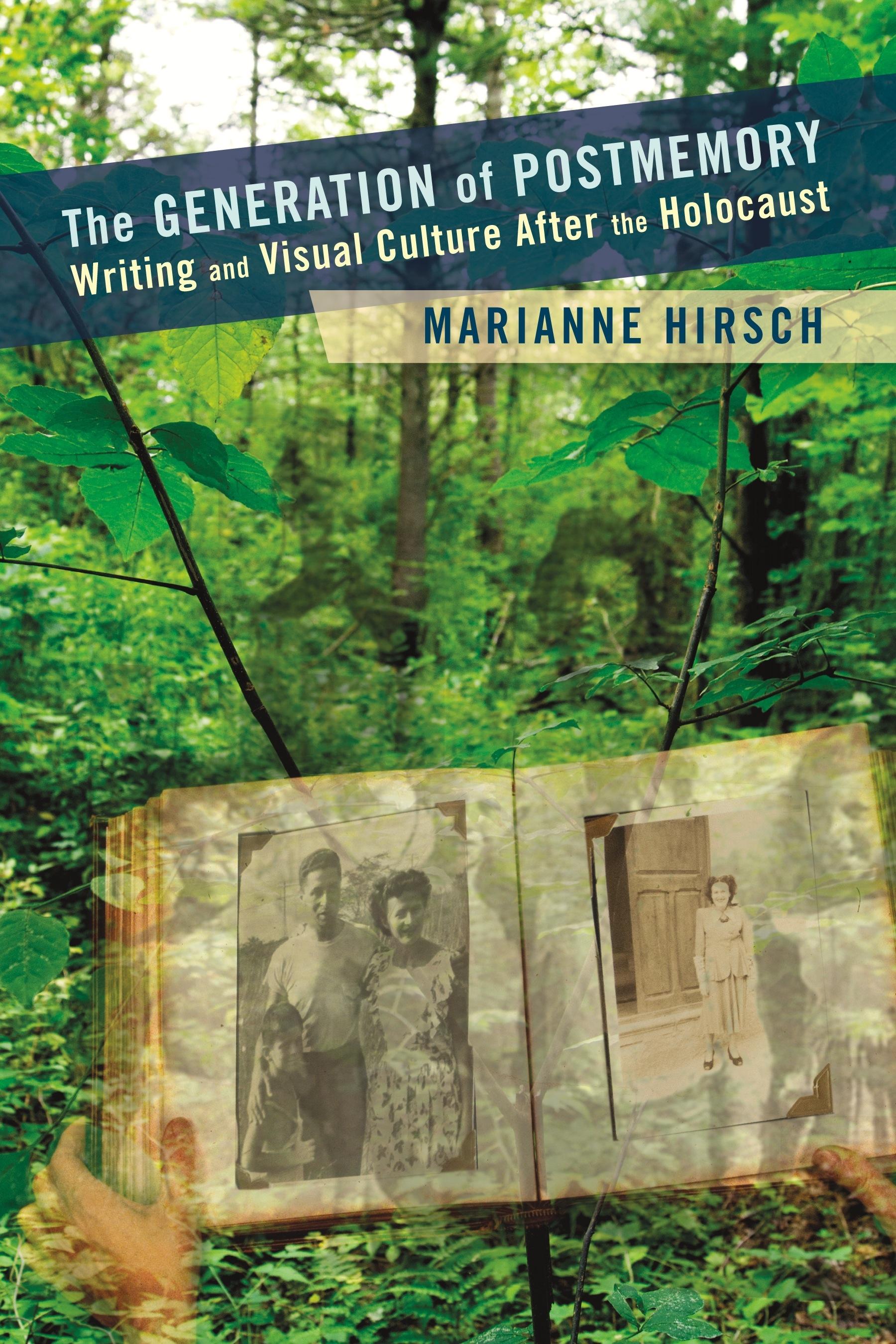
Can we remember other people's memories? The Generation of Postmemory argues we can: that memories of traumatic events live on to mark the lives of those who were not there to experience them. Children of survivors and their contemporaries inherit catastrophic histories not through direct recollection but through haunting postmemoriesmultiply mediated images, objects, stories, behaviors, and affects passed down within the family and the culture at large.
In these new and revised critical readings of the literary and visual legacies of the Holocaust and other, related sites of memory, Marianne Hirsch builds on her influential concept of postmemory. The book's chapters, two of which were written collaboratively with the historian Leo Spitzer, engage the work of postgeneration artists and writers such as Art Spiegelman, W.G. Sebald, Eva Hoffman, Tatana Kellner, Muriel Hasbun, Anne Karpff, Lily Brett, Lorie Novak, David Levinthal, Nancy Spero and Susan Meiselas. Grappling with the ethics of empathy and identification, these artists attempt to forge a creative postmemorial aesthetic that reanimates the past without appropriating it. In her analyses of their fractured texts, Hirsch locates the roots of the familial and affiliative practices of postmemory in feminism and other movements for social change. Using feminist critical strategies to connect past and present, words and images, and memory and gender, she brings the entangled strands of disparate traumatic histories into more intimate contact. With more than fifty illustrations, her text enables a multifaceted encounter with foundational and cutting edge theories in memory, trauma, gender, and visual culture, eliciting a new understanding of history and our place in it.
Before Memmo my notes were scattered across PDFs. Now a workspace pulls everything into one place — I see exactly what's still left to study.
Memmo's summaries are gold before exams. I don't have to re-read 800 pages two weeks before — just the important parts.
The AI chat has saved me the night before an exam more than once. I just keep asking until I get it — no waiting on a study group to reply.
The quizzes hit exactly what I need to know. Memmo tracks what I get stuck on — so I only practice what's worth it.
Flashcards with spaced repetition are magic. Memmo knows when I'm about to forget something and brings it back.
The AI podcasts are my favorite. I listen on my way to school and get a recap without sitting at a computer.

Handbok i kvalitativa metoder
281 kr

Hållbar utveckling: en introduktion för ingenjörer och andra problemlösare
334 kr

Brymans Samhällsvetenskapliga metoder
390 kr

Projektledning
491 kr

Den orättvisa hälsan: om socioekonomiska skillnader i hälsa och livslängd
326 kr

Vetenskapsteori för nybörjare
196 kr

Organizational Leadership
429 kr

På väg mot läraryrket
172 kr

Det sociala livet i skolan: Socialpsykologiska perspektiv
253 kr

Betygsättningens didaktik
151 kr

Personality
402 kr

Studying Leadership
404 kr

Managing Innovation
477 kr

Introduktion till samhällsvetenskaplig metod
347 kr

The Psychology of Sex and Gender
698 kr

Evidens och kunskap för socialt arbete
207 kr

Introduction to Leadership
605 kr