
Before Memmo my notes were scattered across PDFs. Now a workspace pulls everything into one place — I see exactly what's still left to study.
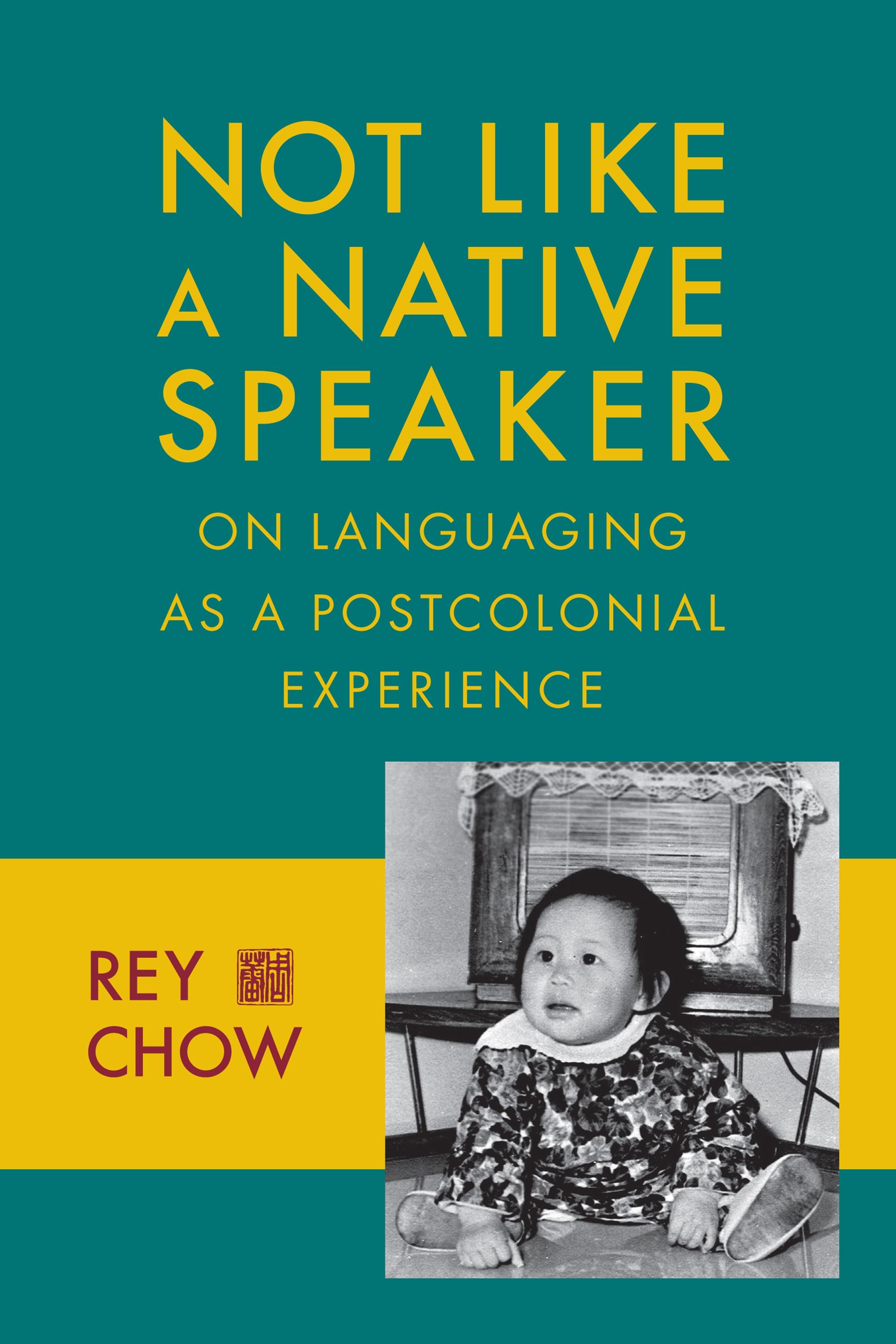
Although the era of European colonialism has long passed, misgivings about the inequality of the encounters between European and non-European languages persist in many parts of the postcolonial world. This unfinished state of affairs, this lingering historical experience of being caught among unequal languages, is the subject of Rey Chow's book. A diverse group of personae, never before assembled in a similar manner, make their appearances in the various chapters: the young mulatto happening upon a photograph about skin color in a popular magazine; the man from Martinique hearing himself named "Negro" in public in France; call center agents in India trained to Americanize their accents while speaking with customers; the Algerian Jewish philosopher reflecting on his relation to the French language; African intellectuals debating the pros and cons of using English for purposes of creative writing; the translator acting by turns as a traitor and as a mourner in the course of cross-cultural exchange; Cantonese-speaking writers of Chinese contemplating the politics of food consumption; radio drama workers straddling the forms of traditional storytelling and mediatized sound broadcast.
In these riveting scenes of speaking and writing imbricated with race, pigmentation, and class demarcations, Chow suggests, postcolonial languaging becomes, de facto, an order of biopolitics. The native speaker, the fulcrum figure often accorded a transcendent status, is realigned here as the repository of illusory linguistic origins and unities. By inserting British and post-British Hong Kong (the city where she grew up) into the languaging controversies that tend to be pursued in Francophone (and occasionally Anglophone) deliberations, and by sketching the fraught situations faced by those coping with the specifics of using Chinese while negotiating with English, Chow not only redefines the geopolitical boundaries of postcolonial inquiry but also demonstrates how such inquiry must articulate historical experience to the habits, practices, affects, and imaginaries based in sounds and scripts.
Before Memmo my notes were scattered across PDFs. Now a workspace pulls everything into one place — I see exactly what's still left to study.
Memmo's summaries are gold before exams. I don't have to re-read 800 pages two weeks before — just the important parts.
The AI chat has saved me the night before an exam more than once. I just keep asking until I get it — no waiting on a study group to reply.
The quizzes hit exactly what I need to know. Memmo tracks what I get stuck on — so I only practice what's worth it.
Flashcards with spaced repetition are magic. Memmo knows when I'm about to forget something and brings it back.
The AI podcasts are my favorite. I listen on my way to school and get a recap without sitting at a computer.

Handbok i kvalitativa metoder
281 kr

Hållbar utveckling: en introduktion för ingenjörer och andra problemlösare
334 kr

Brymans Samhällsvetenskapliga metoder
390 kr

Projektledning
491 kr

Den orättvisa hälsan: om socioekonomiska skillnader i hälsa och livslängd
326 kr

Vetenskapsteori för nybörjare
196 kr

Organizational Leadership
429 kr

På väg mot läraryrket
172 kr

Det sociala livet i skolan: Socialpsykologiska perspektiv
253 kr

Betygsättningens didaktik
151 kr

Personality
402 kr

Studying Leadership
404 kr

Managing Innovation
477 kr

Introduktion till samhällsvetenskaplig metod
347 kr

The Psychology of Sex and Gender
698 kr

Evidens och kunskap för socialt arbete
207 kr

Introduction to Leadership
605 kr