
Before Memmo my notes were scattered across PDFs. Now a workspace pulls everything into one place — I see exactly what's still left to study.
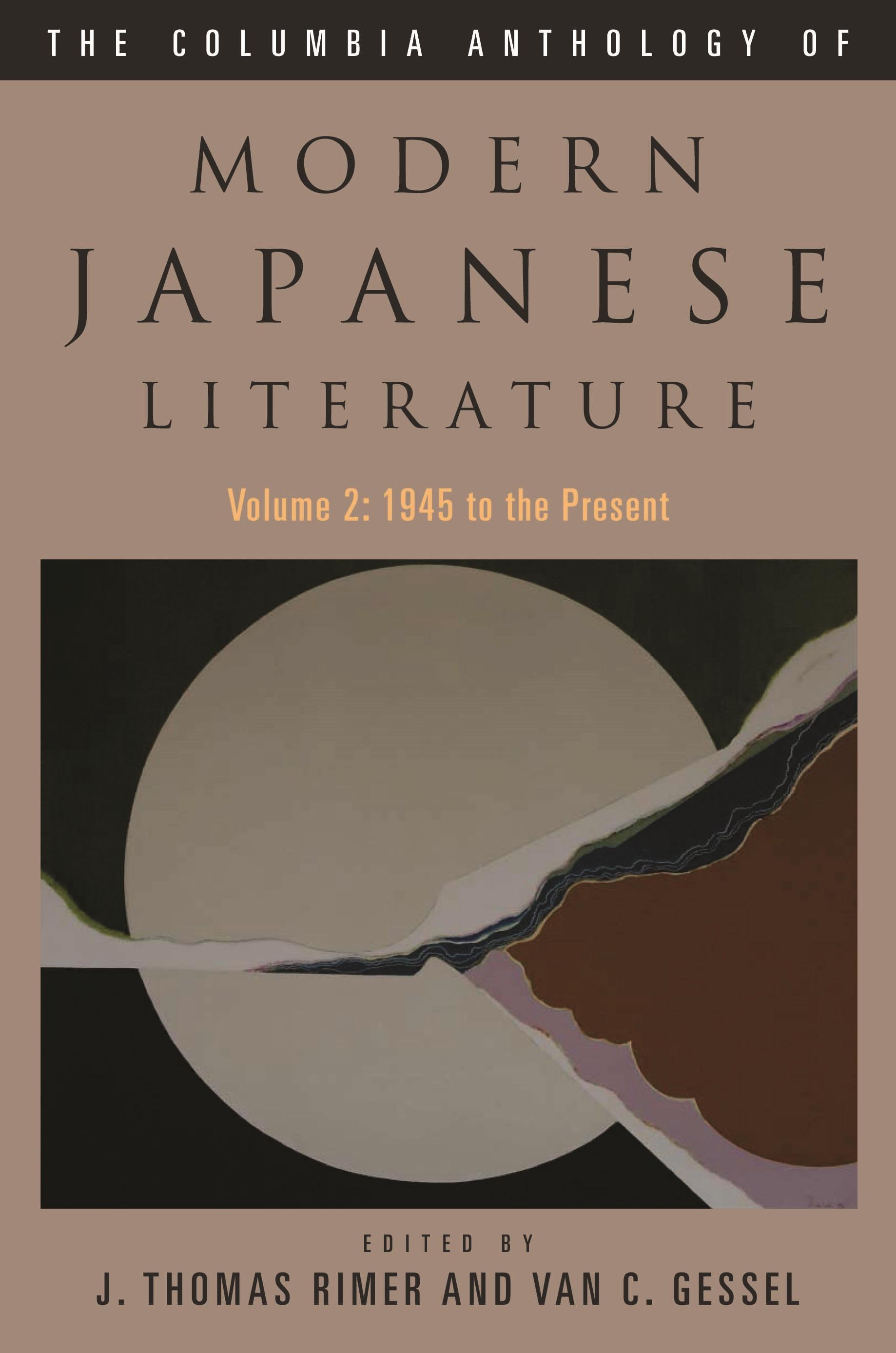
This comprehensive anthology collects works of fiction, poetry, drama, and essay-writing from a pivotal time in Japanese history. In addition to their literary achievements, the texts reflect the political, social, and intellectual changes that occurred in Japanese society during this period, including exposure to Western ideas and literature, the rise of nationalism, and the complex interaction of traditional and modern forces. The volume offers outstanding, often new translations of classic texts by such celebrated writers as Nagai Kafu, Shimazaki Toson, Natsume Soseki, Kawabata Yasunari, and Yosano Akiko. The editors have also unearthed works from lesser-known women writers, many of which have never been available in English.
Organized chronologically and by genre within each period, the volume reveals the major influences in the development of modern Japanese literature: the Japanese classics themselves, the example of Chinese poetry, and the encounter with Western literature and culture. Modern Japanese writers reread the classics of Japanese literature, infused them with contemporary language, and refashioned them with an increased emphasis on psychological elements. They also reinterpreted older aesthetic concepts in light of twentieth-century mentalities. While modern ideas captured the imagination of some Japanese writers, the example of classical Chinese poetry remained important for others. Meiji writers continued to compose poetry in classical Chinese and adhere to a Confucian system of thought. Another factor in shaping modern Japanese literature was the example of foreign works, which offered new literary inspiration and opportunities for Japanese readers and writers.
Divided into four chapters, the anthology begins with the early modern texts of the 1870s, continues with works written during the years of social change preceding World War I and the innovative writing of the interwar period, and concludes with texts from World War II. Each chapter includes a helpful critical introduction, situating the works within their literary, political, and cultural contexts. Additionally, there are biographical introductions for each writer.
Before Memmo my notes were scattered across PDFs. Now a workspace pulls everything into one place — I see exactly what's still left to study.
Memmo's summaries are gold before exams. I don't have to re-read 800 pages two weeks before — just the important parts.
The AI chat has saved me the night before an exam more than once. I just keep asking until I get it — no waiting on a study group to reply.
The quizzes hit exactly what I need to know. Memmo tracks what I get stuck on — so I only practice what's worth it.
Flashcards with spaced repetition are magic. Memmo knows when I'm about to forget something and brings it back.
The AI podcasts are my favorite. I listen on my way to school and get a recap without sitting at a computer.

Handbok i kvalitativa metoder
281 kr

Hållbar utveckling: en introduktion för ingenjörer och andra problemlösare
334 kr

Brymans Samhällsvetenskapliga metoder
390 kr

Projektledning
491 kr

Den orättvisa hälsan: om socioekonomiska skillnader i hälsa och livslängd
326 kr

Vetenskapsteori för nybörjare
196 kr

Organizational Leadership
429 kr

På väg mot läraryrket
172 kr

Det sociala livet i skolan: Socialpsykologiska perspektiv
253 kr

Betygsättningens didaktik
151 kr

Personality
402 kr

Studying Leadership
404 kr

Managing Innovation
477 kr

Introduktion till samhällsvetenskaplig metod
347 kr

The Psychology of Sex and Gender
698 kr

Evidens och kunskap för socialt arbete
207 kr

Introduction to Leadership
605 kr