
Before Memmo my notes were scattered across PDFs. Now a workspace pulls everything into one place — I see exactly what's still left to study.
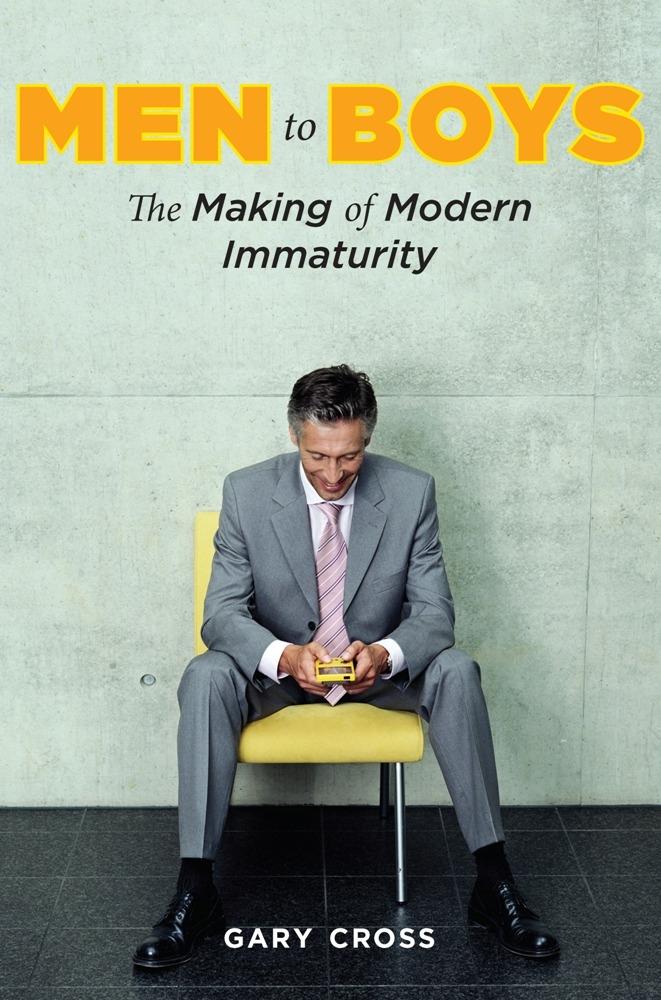
Adam Sandler movies, HBO's Entourage, and such magazines as Maxim and FHM all trade in and appeal to one characterthe modern boy-man. Addicted to video games, comic books, extreme sports, and dressing down, the boy-man would rather devote an afternoon to Grand Theft Auto than plan his next career move. He would rather prolong the hedonistic pleasures of youth than embrace the self-sacrificing demands of adulthood.
When did maturity become the ultimate taboo? Men have gone from idolizing Cary Grant to aping Hugh Grant, shunning marriage and responsibility well into their twenties and thirties. Gary Cross, renowned cultural historian, identifies the boy-man and his habits, examining the attitudes and practices of three generations to make sense of this gradual but profound shift in American masculinity. Cross matches the rise of the American boy-man to trends in twentieth-century advertising, popular culture, and consumerism, and he locates the roots of our present crisis in the vague call for a new model of leadership that, ultimately, failed to offer a better concept of maturity.
Cross does not blame the young or glorify the past. He finds that men of the "Greatest Generation" might have embraced their role as providers but were confused by the contradictions and expectations of modern fatherhood. Their uncertainty gave birth to the Beats and men who indulged in childhood hobbies and boyish sports. Rather than fashion a new manhood, baby-boomers held onto their youth and, when that was gone, embraced Viagra. Without mature role models to emulate or rebel against, Generation X turned to cynicism and sensual intensity, and the media fed on this longing, transforming a life stage into a highly desirable lifestyle. Arguing that contemporary American culture undermines both conservative ideals of male maturity and the liberal values of community and responsibility, Cross concludes with a proposal for a modern marriage of personal desire and ethical adulthood.
Before Memmo my notes were scattered across PDFs. Now a workspace pulls everything into one place — I see exactly what's still left to study.
Memmo's summaries are gold before exams. I don't have to re-read 800 pages two weeks before — just the important parts.
The AI chat has saved me the night before an exam more than once. I just keep asking until I get it — no waiting on a study group to reply.
The quizzes hit exactly what I need to know. Memmo tracks what I get stuck on — so I only practice what's worth it.
Flashcards with spaced repetition are magic. Memmo knows when I'm about to forget something and brings it back.
The AI podcasts are my favorite. I listen on my way to school and get a recap without sitting at a computer.

Handbok i kvalitativa metoder
281 kr

Hållbar utveckling: en introduktion för ingenjörer och andra problemlösare
334 kr

Brymans Samhällsvetenskapliga metoder
390 kr

Projektledning
491 kr

Den orättvisa hälsan: om socioekonomiska skillnader i hälsa och livslängd
326 kr

Vetenskapsteori för nybörjare
196 kr

Organizational Leadership
429 kr

På väg mot läraryrket
172 kr

Det sociala livet i skolan: Socialpsykologiska perspektiv
253 kr

Betygsättningens didaktik
151 kr

Personality
402 kr

Studying Leadership
404 kr

Managing Innovation
477 kr

Introduktion till samhällsvetenskaplig metod
347 kr

The Psychology of Sex and Gender
698 kr

Evidens och kunskap för socialt arbete
207 kr

Introduction to Leadership
605 kr