
Before Memmo my notes were scattered across PDFs. Now a workspace pulls everything into one place — I see exactly what's still left to study.
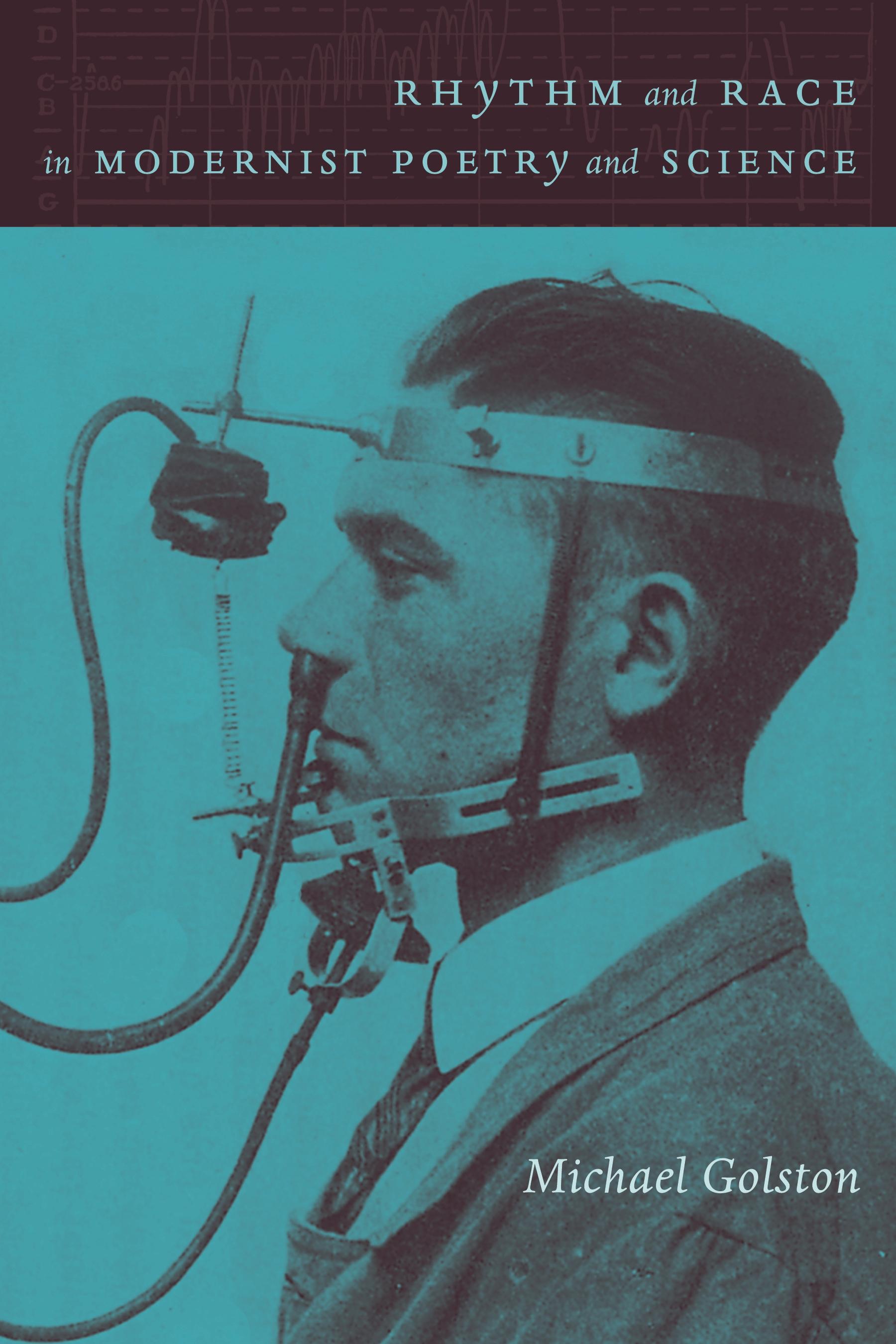
In the half-century between 1890 and 1950, a variety of fields and disciplines, from musicology and literary studies to biology, psychology, genetics, and eugenics, expressed a profound interest in the subject of rhythm. In this book, Michael Golston recovers much of the work done in this area and situates it in the society, politics, and culture of the Modernist period. He then filters selected Modernist poems through this archive to demonstrate that innovations in prosody, form, and subject matter are based on a largely forgotten ideology of rhythm and that beneath Modernist prosody is a science and an accompanying technology.
In his analysis, Golston first examines psychological and physiological experiments that purportedly proved that races responded differently to rhythmic stimuli. He then demonstrates how poets like Ezra Pound, W. B. Yeats, Mina Loy, and William Carlos Williams either absorbed or echoed the information in these studies, using it to hone the innovative edge of Modernist practice and fundamentally alter the way poetry was written.
Golston performs close readings of canonical texts such as Pound's Cantos, Yeats's "Lake Isle of Innisfree," and William Carlos Williams's Paterson, and examines the role the sciences of rhythm played in racist discourses and fascist political thinking in the years leading up to World War II. Recovering obscure texts written in France, Germany, England, and America, Golston argues that "Rhythmics" was instrumental in generating an international modern art and should become a major consideration in our reading of reactionary avant-garde poetry.
Before Memmo my notes were scattered across PDFs. Now a workspace pulls everything into one place — I see exactly what's still left to study.
Memmo's summaries are gold before exams. I don't have to re-read 800 pages two weeks before — just the important parts.
The AI chat has saved me the night before an exam more than once. I just keep asking until I get it — no waiting on a study group to reply.
The quizzes hit exactly what I need to know. Memmo tracks what I get stuck on — so I only practice what's worth it.
Flashcards with spaced repetition are magic. Memmo knows when I'm about to forget something and brings it back.
The AI podcasts are my favorite. I listen on my way to school and get a recap without sitting at a computer.

Handbok i kvalitativa metoder
281 kr

Hållbar utveckling: en introduktion för ingenjörer och andra problemlösare
334 kr

Brymans Samhällsvetenskapliga metoder
390 kr

Projektledning
491 kr

Den orättvisa hälsan: om socioekonomiska skillnader i hälsa och livslängd
326 kr

Vetenskapsteori för nybörjare
196 kr

Organizational Leadership
429 kr

På väg mot läraryrket
172 kr

Det sociala livet i skolan: Socialpsykologiska perspektiv
253 kr

Betygsättningens didaktik
151 kr

Personality
402 kr

Studying Leadership
404 kr

Managing Innovation
477 kr

Introduktion till samhällsvetenskaplig metod
347 kr

The Psychology of Sex and Gender
698 kr

Evidens och kunskap för socialt arbete
207 kr

Introduction to Leadership
605 kr